
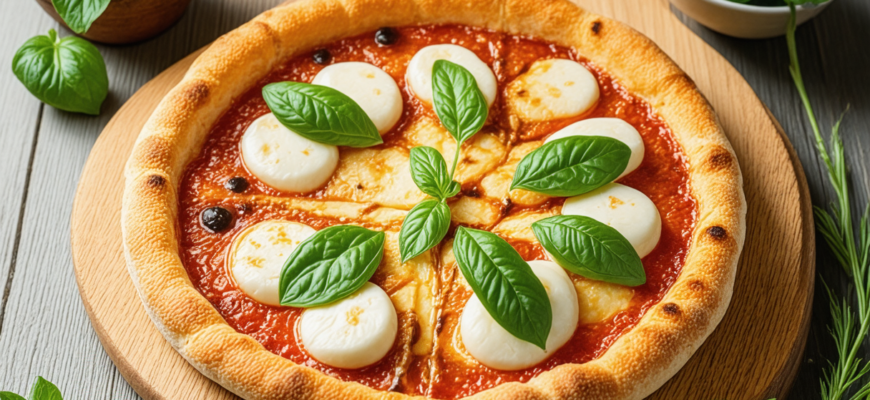
Pizza, one of the most beloved culinary creations worldwide, has continually evolved from its traditional roots in Italy into countless variations catering to diverse tastes and preferences. Among these, the Caprese-inspired pizza stands out as a fresh, vibrant, and sophisticated option that captures the essence of the classic Italian salad. Combining creamy fresh mozzarella, aromatic basil, ripe tomatoes, and a sweet tangy balsamic reduction, this pizza elevates the flavor profile while maintaining the simplicity that makes pizza such a universal favorite.
- The Origins of the Classic Caprese Salad
- Ingredients: The Building Blocks of Caprese-Inspired Pizza
- Main Ingredients
- Additional Optional Ingredients
- Preparing the Perfect Caprese-Inspired Pizza
- Step 1: Preparing the Dough
- Step 2: Assembling the Pizza
- Step 3: Adding Basil and Balsamic Reduction
- Making Balsamic Reduction at Home
- Variations and Creative Twists
- 1. Vegan Caprese-Inspired Pizza
- 2. Gluten-Free Version
- 3. Additional Toppings for Personalization
- Health Benefits of the Ingredients
- The Cultural Significance of Pizza Variations
- Tips for Perfecting Your Caprese-Inspired Pizza
The Origins of the Classic Caprese Salad
The inspiration for this pizza originates from the iconic Italian salad Caprese (or Insalata Caprese), which emerged from the beautiful region of Campania, near Naples. Made with fresh tomatoes, mozzarella di bufala, basil leaves, olive oil, and sometimes a sprinkle of salt and pepper, the salad reflects the colors of the Italian flag—red, white, and green. It’s celebrated for its fresh ingredients, lightness, and harmonious combination of flavors.
Over time, chefs and home cooks have adapted and expanded upon the classic salad’s concept by incorporating it into other dishes, notably pizzas, to create a delightful fusion of textures and tastes. The resulting Caprese-inspired pizza seeks to bring together the freshness of the salad with the hearty, crispy qualities of traditional pizza crust, yielding a dish that feels both comforting and refined.
Ingredients: The Building Blocks of Caprese-Inspired Pizza
Main Ingredients
| Ingredient | Purpose |
|---|---|
| Pizza Dough | The base of the dish, providing structure and texture |
| Fresh Mozzarella | Creates the creamy, melt-in-your-mouth cheese layer |
| Tomatoes (preferably ripe and flavorful) | Provides the juicy, tangy, and sweet flavor profile |
| Fresh Basil Leaves | Adds aromatic freshness and vibrant color |
| Balsamic Reduction | Offers a sweet and tangy glaze that complements the ingredients |
| Olive Oil | Enhances flavor and adds richness |
Additional Optional Ingredients
- Sea salt and freshly ground black pepper for seasoning
- Red pepper flakes for a spicy kick
- Cherry tomatoes or heirloom varieties for varied flavor
- Parmigiano-Reggiano or Pecorino Romano for an extra cheesy punch
Preparing the Perfect Caprese-Inspired Pizza
Step 1: Preparing the Dough
The foundation of a good pizza is the dough. You can make your own or purchase high-quality store-bought dough. For homemade dough, a simple recipe includes flour, water, yeast, salt, and a touch of olive oil. Allow the dough to ferment and rise sufficiently – usually about 1 to 2 hours – to achieve a light, airy crust. Prior to baking, stretch the dough into a round shape, ensuring an even thickness. For a crispier crust, pre-bake the dough at 220°C (430°F) for 5-7 minutes before adding toppings.
Step 2: Assembling the Pizza
- Preheat the oven to the highest temperature, typically around 250°C (480°F), and if available, use a pizza stone for better results.
- Spread a thin layer of olive oil over the base to prevent sogginess and add flavor.
- Distribute slices or pieces of fresh mozzarella evenly across the dough. Avoid overload to ensure the crust bakes properly and the cheese melts evenly.
- Add sliced ripe tomatoes over the cheese. For extra flavor, season lightly with salt and freshly cracked black pepper.
- Bake until the crust is golden and cheese is bubbling, approximately 10-15 minutes.
Step 3: Adding Basil and Balsamic Reduction
Once baked, remove the pizza from the oven. Immediately place fresh basil leaves on top while the pizza is hot. Drizzle generously with balsamic reduction — a syrupy, tangy sweet glaze prepared by simmering balsamic vinegar until it reduces by half and thickens.
For a refined touch, add a drizzle of high-quality extra virgin olive oil. Allow the pizza to rest for a couple of minutes — this helps the flavors meld and the cheese to settle.
Making Balsamic Reduction at Home
The balsamic reduction is key to capturing the authentic flavor profile of this dish. Here’s a simple formula for preparing it:
Balsamic Reduction Formula:
- 1 cup balsamic vinegar
- 2 tablespoons honey or sugar (optional, for sweetness)
- 1/4 teaspoon salt (optional)

Method:
1. Pour balsamic vinegar into a small saucepan.
2. Add honey or sugar if desired.
3. Bring to a gentle boil over medium heat.
4. Reduce heat to low and simmer, stirring occasionally, until the volume is halved and a syrupy consistency is achieved (~15-20 minutes).
5. Remove from heat and let cool before drizzling.
Variations and Creative Twists
1. Vegan Caprese-Inspired Pizza
Replace mozzarella with vegan cheese or marinated slices of tofu. Use dairy-free balsamic reduction for flavor. The rest of the toppings remain the same, emphasizing freshness.
2. Gluten-Free Version
Use a gluten-free crust made from rice flour, almond flour, or chickpea flour to accommodate dietary restrictions without sacrificing taste.
3. Additional Toppings for Personalization
- Prosciutto or Parma ham for a savory, salty addition
- Sun-dried tomatoes for concentrated flavor
- Arugula for peppery freshness added after baking
- Olives or capers for a salty punch
Health Benefits of the Ingredients
Beyond its flavor, the combination of ingredients in Caprese-inspired pizza offers several health benefits:
- Fresh Mozzarella: Rich in protein, calcium, and vitamin B12, supporting bone health and muscle function.
- Basil: Contains antioxidants, vitamins A, K, and C, which bolster immunity and reduce inflammation.
- Tomatoes: High in lycopene, an antioxidant linked to reduced risk of chronic diseases.
- Balsamic Vinegar: May aid digestion and help regulate blood sugar levels.
The Cultural Significance of Pizza Variations
Pizza is a versatile dish that reflects local ingredients and culinary traditions. The Caprese-inspired variation exemplifies how regional flavors can be adapted into the beloved format, showcasing Italy’s emphasis on fresh, high-quality ingredients. This dish is perfect for those seeking a lighter, fresher alternative to heavier, meat-laden pizzas. It also demonstrates the creative potential of pizza beyond standard toppings, highlighting its role as a canvas for culinary innovation.
Tips for Perfecting Your Caprese-Inspired Pizza
- Use high-quality, fresh ingredients whenever possible—particularly mozzarella and tomatoes.
- Invest in a pizza stone or steel for a crust that mimics traditional Italian pizzarias.
- Ensure the oven is fully preheated to achieve a crispy crust.
- Do not overload with toppings to prevent sogginess and ensure even baking.
- Finish with fresh basil and balsamic reduction after baking to preserve their aromatic qualities.
The Caprese-inspired pizza with fresh mozzarella, basil, and balsamic reduction is a testament to how simple ingredients can combine to create extraordinary flavors. It beautifully balances richness, freshness, and a touch of sweetness, making it an ideal dish for various occasions — from casual family dinners to elegant dinner parties. Whether as a vegetarian main or a light appetizer, this pizza encapsulates the spirit of Italian cuisine, emphasizing quality and simplicity. Its widespread popularity continues to grow, inspiring culinary enthusiasts to experiment and create their own versions, forever adding to the rich tapestry of pizza artistry worldwide.
Похожие записи:
 Classic Pepperoni Pizza with Fresh Sliced Peppers and Oregano: A Delicious Classic with a Fresh Twist
  Lemon Zest, Mozzarella, and Fresh Herbs for a Refreshingly Citrus Twist in Gourmet Pizzas
  California-Inspired Pizzas: Fresh Avocado, Sprouts, and Lemon Zest for Every Taste
  Sweet Fig, Prosciutto, and Balsamic Glaze: An Exquisite Gourmet Touch
  Using Herbs and Basil for a Fresh Topping Finish: Transforming Your Pizza
  Korean BBQ-Inspired Toppings with Marinated Beef and Kimchi: A Fusion of Flavors
  Maltese Ftira with Local Flavors: A Delicious Twist on Traditional Pizza
  Belgian Tarte Flambée: The Crisp and Delicious Classic
  Albanian Flia with Layered Fillings: A Delicious Twist on Traditional Pizzas
  Swedish Spritz with Its Thin Crust and Savory Toppings: A Delicious Twist in Pizza Styles
  Scandinavian Rye-Based Flatbread Pizzas: A Delicious Twist on Traditional Pizza
  Brazilian Pizza with Unique Tropical Ingredients: A Delicious Fusion of Flavors
  Perfectly Pairing Your Pizza with Delicious Side Dishes: A Complete Guide
  Lebanese Manakish with Za’atar and Cheese: A Delicious Twist on Traditional Pizzas
  Margarita Pizza: Italy’s Timeless Classic
  Finnish Karjalanpiirakka with Its Regional Twist: A Delicious Journey Through History and Variations