
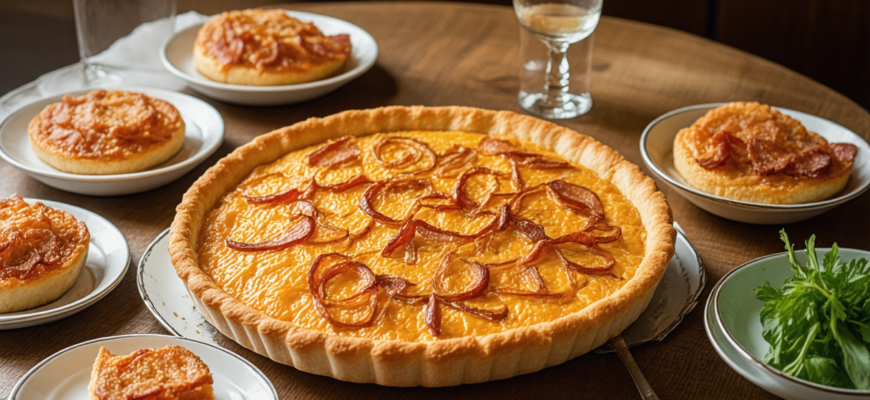
In the vast world of European culinary traditions, certain dishes stand out due to their unique textures, flavors, and cultural significance. Among these, Belgian tarte flambée holds a special place. Known for its wafer-thin, crispy crust and flavorful toppings, this dish is a perfect example of a rustic yet refined appetite pleaser. Whether enjoyed in traditional settings or modern restaurants, tarte flambée continues to delight food enthusiasts worldwide. This comprehensive article explores its origins, ingredients, variations, and tips for making the perfect crispy base.
- Table of Contents
- History of Tarte Flambée
- Evolution through time
- Key Ingredients and Their Roles
- Basic ingredients include:
- Preparing the Perfect Crispy Base
- 1. Selecting the right flour
- 2. Dough mixing and kneading
- 3. Resting the dough
- 4. Rolling out the dough
- 5. Baking tips for crispiness
- Classic Belgian Tarte Flambée Recipe
- Ingredients:
- Instructions:
- Popular Variations and Creative Twists
- Vegetarian Tarte Flambée
- Seafood Tarte Flambée
- Cheese Lover’s Version
- Sweet Variations
- Tips for Achieving the Perfect Crispiness
- Health Considerations and Alternatives
- Wine and Beverage Pairings
- Tarte Flambée, A Timeless Delight
Table of Contents
- History of Tarte Flambée
- Key Ingredients and Their Roles
- Preparing the Perfect Crispy Base
- Classic Belgian Tarte Flambée Recipe
- Popular Variations and Creative Twists
- Tips for Achieving the Perfect Crispiness
- Health Considerations and Alternatives
- Wine and Beverage Pairings
- Tarte Flambée, A Timeless Delight
History of Tarte Flambée
Although closely associated with the Alsace region in France and southwestern Germany, tarte flambée—also known as Flammkuchen—has a broader European heritage that intertwines with the culinary traditions of neighboring countries. Its origins trace back to centuries-old rural communities where farmers and bakers created quick, flavorful dishes using readily available ingredients.
The name “tarte flambée” literally translates to “flamed tart,” referring to its traditional preparation method of baking in a wood-fired oven at high temperatures, often resulting in a slightly charred, smoky crust. Historically, the dish was crafted on thin dough bases, topped with onions, bacon, and crème fraîche, then quickly baked to produce a crispy, golden result. Its simplicity and portability made it an ideal meal for farmers working in the fields or families working the land.
Evolution through time
- Medieval roots: Early versions were basic flatbreads with minimal toppings, primarily using local ingredients like onions and pork.
- 19th-century developments: The addition of crème fraîche became standard, enhancing richness and taste.
- Modern variations: Today, chefs experiment with toppings like cheeses, vegetables, and even seafood, adapting the dish to contemporary palates while preserving its fundamental crispy crust and quick baking method.
Key Ingredients and Their Roles
The magic of tarte flambée lies not only in its preparation technique but also in the quality and balancing of its core ingredients. Understanding each component helps in recreating the authentic crispiness and flavor profile at home.
Basic ingredients include:
| Ingredient | Function | Notes |
|---|---|---|
| Flour | The base of the dough, providing structure and elasticity. | Type 00 or all-purpose flour works well for a tender, crisp crust. |
| Water | Hydrates the flour, forming gluten for dough elasticity. | Cold water helps achieve a crisp texture. |
| Sugar | Enhances yeast activity and browning. | Optional, small amount. |
| Salt | Flavor enhancement and dough strength. | Necessary for taste balance. |
| Olive oil or clarified butter | Adds richness and helps in achieving crispness. | Use sparingly for a light crust. |
| Yeast (optional) | Leavens the dough, producing a slightly softer crust if used. | Traditional recipes often omit yeast for a cracker-like texture. |
| Crème fraîche | The creamy base topping, provides moisture and richness. | Authentic flavor; can substitute with sour cream or Greek yogurt. |
| Onions | Flavorful, aromatic topping. | Thinly sliced for even cooking. |
| Pork bacon or lardons | Adds smoky, savory flavor. | Cut into small pieces, fried until crispy. |
| Additional toppings (cheese, vegetables, seafood) | Variations to suit tastes. | Can be added after baking or before, depending on ingredient. |
Preparing the Perfect Crispy Base
The hallmark of a successful tarte flambée is its thin, crispy crust. Achieving this involves specific techniques in dough preparation, rolling, and baking. Here are comprehensive steps and tips:
1. Selecting the right flour
Use a fine-grade flour such as Type 00 or all-purpose flour. These flours have a low gluten content, resulting in a tender yet crisp base.
2. Dough mixing and kneading
- Combine flour, a pinch of salt, and optional sugar in a mixing bowl.
- Add cold water gradually, mixing with a spoon or hands until a shaggy dough forms.
- Incorporate a small amount of olive oil or melted clarified butter for added richness.
- Knead lightly just until smooth; do not overwork to maintain tenderness.
3. Resting the dough
Wrap the dough in plastic wrap and let it rest for at least 30 minutes in the refrigerator. Resting relaxes gluten and prevents shrinkage during rolling, resulting in a more even, crisp crust.
4. Rolling out the dough
- On a floured surface, roll the dough as thin as possible—ideally around 2-3 mm thick.
- Rotate the dough regularly for even thickness.
- Place the rolled dough onto a parchment-lined baking sheet or pizza peel dusted with flour or semolina for easy handling.
5. Baking tips for crispiness
- Preheat the oven to the highest possible temperature (usually 250-300°C or 482-572°F) for at least 30 minutes.
- Use a baking stone or steel to mimic traditional wood-fired ovens, promoting even and rapid heat transfer.
- Bake on the lower rack for a more intense heat contact; avoid overcrowding to prevent steam buildup.
Classic Belgian Tarte Flambée Recipe
Here is a step-by-step recipe for making traditional tarte flambée with its signature crispy base:
Ingredients:
- 250 g all-purpose flour
- 125 ml cold water
- 2 tbsp olive oil
- ¼ tsp salt
- 150 g crème fraîche
- 1 large onion, thinly sliced
- 100 g pork bacon or lardons
- Salt and pepper to taste
- Fresh chives (optional for garnish)
Instructions:
- Prepare the dough: Mix flour and salt in a bowl. Add water and olive oil gradually, kneading until smooth. Cover and rest for 30 minutes in the refrigerator.
- Preheat the oven: To maximum temperature (250-300°C). Place a baking stone if available.
- Roll out the dough: On a floured surface, roll thinly. Transfer to parchment paper or baking peel.
- Assemble: Spread crème fraîche evenly over the dough, leaving a small border. Scatter sliced onions and crispy bacon evenly over the top. Season with salt and pepper.
- Baking: Slide the tarte flambée onto the hot baking stone or tray. Bake for 7-10 minutes or until the edges are golden and crispy.
- Serve: Garnish with chopped chives if desired. Serve hot.
Popular Variations and Creative Twists
While traditional tarte flambée is delicious in its classic form, modern chefs and home cooks enjoy experimenting with a variety of toppings and ingredients to create unique flavors. Below are some popular variations:
Vegetarian Tarte Flambée
- Replace bacon with mushrooms, bell peppers, or zucchini.
- Add cheeses like mozzarella or goat cheese for extra richness.
Seafood Tarte Flambée
- Top with smoked salmon, shrimp, or tuna.
- Use crème fraîche infused with herbs or lemon zest for added flavor.
Cheese Lover’s Version
- Incorporate cheeses such as Gruyère, Emmental, or raclette.
- Finish with a drizzle of honey or balsamic reduction for contrast.
Sweet Variations
- Use a thin layer of mascarpone or ricotta.
- Add sliced fruits like pears or apples, along with a sprinkle of cinnamon.
Tips for Achieving the Perfect Crispiness
Crispiness is the defining characteristic of a good tarte flambée. To ensure your homemade version matches or even surpasses restaurant quality, consider these detailed tips:
- High temperature: Always bake at the highest temperature your oven allows. This rapid baking helps evaporate moisture and creates a crispy crust.
- Use a baking stone or steel: These tools efficiently transfer heat to the dough, promoting even, quick cooking and a crisp texture.
- Thin dough: Rolling the dough very thin ensures a crispy, cracker-like bite; thicker bases tend to be chewy.
- Minimal toppings: Avoid overloaded toppings that can weigh down the crust and introduce moisture, making it soggy.
- Pre-bake optional: For very moist toppings or to ensure crispness, briefly pre-bake the crust before adding toppings.
Health Considerations and Alternatives
While classic tarte flambée is indulgent, health-conscious cooks can make several modifications without sacrificing flavor:
- Crust alternatives: Use whole wheat flour or incorporate flaxseed for added fiber.
- Reduce fat: Substitute crème fraîche with Greek yogurt or low-fat sour cream.
- Limit salt and processed meats: Use lean turkey bacon or plant-based proteins for toppings.
- Vegetable toppings: Increase the proportion of vegetables such as spinach, zucchini, or cherry tomatoes to boost nutritional value.
Wine and Beverage Pairings
The crispy, savory profile of tarte flambée pairs superbly with a variety of beverages. Here are some ideal pairings:
| Beverage Type | Specific Options | Reason |
|---|---|---|
| White wine | Dry Riesling, Sauvignon Blanc, Pinot Gris | Complement the creaminess and cut through the richness with acidity. |
| Sparkling wine | Champagne or Prosecco | Effervescent bubbles cleanse the palate. |
| Beer | Pfälzer Pilsner, Belgian Witbier | Refreshing with a touch of maltiness balances the smoky and savory flavors. |
| Non-alcoholic options | Apple cider, sparkling water with lemon | Light, refreshing, and suitable for all ages. |
Tarte Flambée, A Timeless Delight
Belgian tarte flambée exemplifies the beauty of simple, high-quality ingredients combined with expert technique to produce an irresistibly crispy and flavorful dish. Its rich history, versatile variations, and satisfying texture make it a perennial favorite among food lovers worldwide. Whether enjoyed as a quick snack, a sophisticated appetizer, or a main course with complementary beverages, tarte flambée remains a classic that embodies the culinary spirit of European rustic elegance. Mastering its preparation can turn any home oven into a miniature version of a traditional Alsace bakery, delivering authentic flavors and crispy delight with every bite.
By understanding its history, perfecting the dough, experimenting with toppings, and following key baking tips, chefs and home cooks alike can create a stunning tarte flambée every time. This dish not only offers deliciousness but also a window into the rich culinary culture of Europe, proving that sometimes, simple ingredients can result in extraordinary taste experiences.
Похожие записи:
 Swedish Spritz with Its Thin Crust and Savory Toppings: A Delicious Twist in Pizza Styles
  Sicilian Pizza: A Delicious Dive into Thick, Square Slices and Its Rich History
  French Pissaladière with Caramelized Onions and Anchovies: A Classic Cuisine Delight
  Margarita Pizza: Italy’s Timeless Classic
  Calzone: The Folded Pizza from Italy – A Delicious Journey into Italian Cuisine
  Lebanese Manakish with Za’atar and Cheese: A Delicious Twist on Traditional Pizzas
  Finnish Karjalanpiirakka with Its Regional Twist: A Delicious Journey Through History and Variations
  Brazilian Pizza with Unique Tropical Ingredients: A Delicious Fusion of Flavors
  New York-Style Thin Crust Pizza: The Iconic Street Food of the Big Apple
  Mexican Tlayuda and Its Rustic Toppings: A Deep Dive into a Unique Culinary Tradition
  Neapolitan Pizza: The Art of Authentic Preparation
  Roman Pizza al Taglio and Its Rectangular Slices: A Deep Dive into Tradition, Technique, and Tastes
  South African Queen Pizza with Local Flavors: A Tasty Fusion of Tradition and Innovation
  Japanese Okonomiyaki with Pizza-Like Toppings: A Fusion of Flavors and Culinary History
  Chicago Deep-Dish Pizza and Its Hearty Layers: A Delicious Journey into Its Unique Structure