
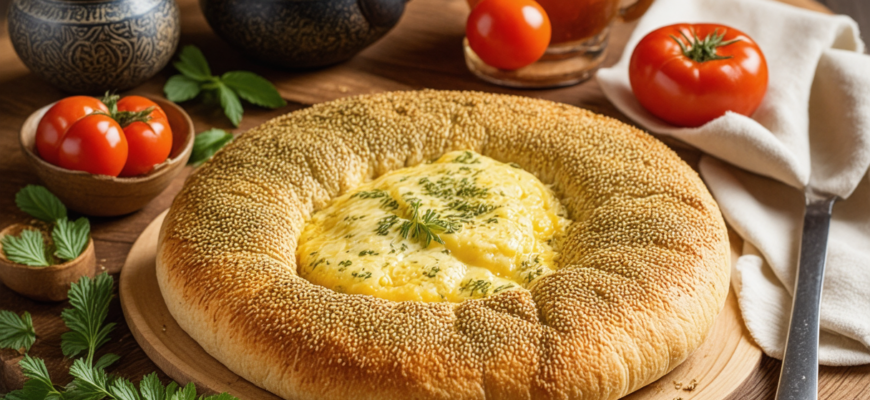
Across the globe, pizza remains one of the most beloved and versatile dishes, constantly evolving to suit various tastes and cultural influences. Among the many regional variations, Lebanese manakish with za’atar and cheese stands out as a flavorful and authentic alternative, blending Middle Eastern spices with cheesy goodness. This article delves into the rich history, traditional preparation methods, and modern culinary adaptations of this delightful dish, providing a comprehensive guide to mastering it in your own kitchen.
- Origins and Cultural Significance of Manakish
- Historical Roots of Manakish
- Role in Lebanese Culture
- Ingredients for Lebanese Manakish with Za’atar and Cheese
- Basic Ingredients for the Dough
- Traditional Toppings
- Preparation of Classic Lebanese Manakish with Za’atar and Cheese
- Step 1: Preparing the Dough
- Step 2: Preparing the Toppings
- Step 3: Shaping and Assembling the Manakish
- Step 4: Baking
- Variations and Modern Twists on Manakish
- Adding Vegetables and Proteins
- Sweet Variations
- Health and Nutritional Benefits of Lebanese Manakish
- How to Incorporate Manakish into a Modern Diet
- Serving Suggestions and Pairings
- Storage and Reheating Tips
- Embracing Tradition with a Modern Twist
- Summary Table: Key Takeaways about Lebanon’s Manakish
- Final Thoughts
Origins and Cultural Significance of Manakish
Historical Roots of Manakish
Manakish, also known as manoush or man’ousheh in different Middle Eastern countries, has a history that dates back thousands of years. Originating from ancient Levantine culinary traditions, this flatbread has been a staple in Lebanese, Syrian, Palestinian, and Jordanian households for centuries. Traditionally, it served as a quick, nourishing meal for shepherds, farmers, and families, often prepared fresh in home kitchens and local bakeries.
The name “manakish” likely derives from the Arabic root word “nakasha,” meaning “to stamp or impress,” referring to the process of decorating the dough with toppings before baking. Over time, regional variations and ingredients have enriched its flavor profile, making it a flexible dish suitable for breakfast, lunch, or dinner.
Role in Lebanese Culture
In Lebanon, manakish is more than just a meal; it embodies community, tradition, and hospitality. Typically enjoyed with fresh herbs, olive oil, and za’atar—a fragrant blend of thyme, sumac, sesame seeds, and salt—the dish embodies the simplicity and richness of Middle Eastern cuisine. It’s often served during social gatherings, family breakfasts, or as street food, highlighting its significance in daily life.
Ingredients for Lebanese Manakish with Za’atar and Cheese
Basic Ingredients for the Dough
| Ingredient | Quantity | Notes |
|---|---|---|
| All-purpose flour | 3 ½ cups (440 g) | Can substitute with bread flour for chewier texture |
| Warm water | 1 ¼ cups (300 ml) | Approximate; adjust as needed |
| Active dry yeast | 2½ teaspoons (7 g) | Instant yeast can be used as a substitute |
| Sugar | 1 teaspoon | Feeds the yeast |
| Olive oil | 2 tablespoons | Enhances flavor and texture |
| Salt | 1 teaspoon | For taste |
Traditional Toppings
- Za’atar spice blend
- Cheese varieties such as akkawi, mozzarella, or feta
- Extra virgin olive oil
- Sumac (optional for extra tang)
- Fresh herbs (e.g., parsley, thyme)
Preparation of Classic Lebanese Manakish with Za’atar and Cheese
Step 1: Preparing the Dough
The foundational step in making authentic manakish involves preparing the dough. In a large mixing bowl, combine warm water with yeast and sugar, stirring gently until the yeast activates, producing a foam that indicates it’s working correctly. This process typically takes 5-10 minutes.
Once activated, add olive oil and salt to the mixture. Gradually incorporate flour, mixing with a spoon or dough hook until the dough begins to come together. Transfer the mixture onto a floured surface and knead for about 8-10 minutes until smooth and elastic. Place the dough in a greased bowl, cover with a damp cloth, and let it rise in a warm area for approximately 1 to 1.5 hours, or until doubled in size.
Step 2: Preparing the Toppings
While the dough rises, prepare your toppings. Mix za’atar with a generous amount of olive oil to create a flavorful paste. Crumble or grate your chosen cheese—classic options include Akkawi or feta, but mozzarella offers a milder, melt-in-the-mouth texture. Optional herbs like chopped parsley or thyme can be added for extra flavor.
Step 3: Shaping and Assembling the Manakish
- Preheat your oven to the highest temperature possible, typically 475-500°F (250°C). If using a pizza stone, place it in the oven during preheating for optimal results.
- Divide the risen dough into 4-6 equal portions, depending on desired size.
- On a floured surface, stretch each portion into a thin disk (about 10-12 inches in diameter). Use your fingers or a rolling pin for even thickness.
- Transfer the dough onto a parchment-lined baking sheet or a floured peel if baking directly on a stone.
- Spread the za’atar mixture evenly over the surface of each dough disk. Leave a small border around the edges.
- Sprinkle cheese generously over the za’atar layer.
Step 4: Baking
Place the assembled manakish in the preheated oven. Bake for approximately 8-12 minutes or until the edges are golden and crispy, and the cheese has melted. For a crispy crust, bake directly on a hot pizza stone or steel. Remove from the oven and let cool slightly before slicing.
Variations and Modern Twists on Manakish
Adding Vegetables and Proteins
Although traditional manakish centers on za’atar and cheese, modern cooks often experiment with variations to suit different tastes:
- Adding sliced tomatoes or roasted peppers for freshness and color.
- Including olives or capers for briny nuances.
- Incorporating cooked ground meat such as lamb or beef for a hearty version.
- Using different cheeses like halloumi or ricotta for unique textures.
Sweet Variations
For those with a sweet tooth, manakish can also be prepared with toppings like honey, brown sugar, or date paste, combined with nuts or fresh fruits, creating a delightful dessert version.
Health and Nutritional Benefits of Lebanese Manakish
| Nutrient | Benefits |
|---|---|
| Olive oil | Rich in monounsaturated fats, promotes heart health |
| Herbs and spices | Contain antioxidants and anti-inflammatory compounds |
| Cheese | Good source of calcium and protein |
| The dough | Provides carbohydrates and energy |
How to Incorporate Manakish into a Modern Diet
While traditional recipes emphasize fresh ingredients and moderate consumption, modern dietary considerations can be accommodated by:
- Using whole wheat flour for added fiber.
- Reducing cheese quantity or opting for low-fat options.
- Increasing vegetable toppings for added nutrients.
- Limiting salt and salt-based spices if on a sodium-restricted diet.
Serving Suggestions and Pairings
Lebanese manakish is a versatile dish that pairs beautifully with a variety of accompaniments:
- Yogurt dips: Plain or garlic-flavored yogurt complements the savory flavors.
- Fresh salads: Tabouleh or fattoush add freshness and crunch.
- Pickles and olives: Enhance the dish with salty, tangy accents.
- Hot beverages: Mint tea or aromatic coffee complete the experience.
Storage and Reheating Tips
Leftover manakish can be stored in an airtight container at room temperature for up to 2 days or refrigerated for up to a week. To reheat:
- Preheat oven to 350°F (175°C).
- Place the manakish on a baking sheet and heat for 5-7 minutes until warm and crispy.
Microwave reheating is generally not recommended as it can make the crust soggy.
Embracing Tradition with a Modern Twist
Lebanese manakish with za’atar and cheese exemplifies the rich culinary heritage of the Middle East, blending simple ingredients with bold flavors. Its flexibility allows for numerous variations, making it a perfect canvas for culinary creativity. Whether enjoyed as a quick breakfast, a snack, or part of a festive feast, manakish continues to charm food enthusiasts around the world, embodying the timeless appeal of regional breads turned into delicious, portable meals.
Summary Table: Key Takeaways about Lebanon’s Manakish
| Aspect | Details |
|---|---|
| Origins | Ancient Levantine tradition, over 2000 years old |
| Main Ingredients | Flour, yeast, olive oil, za’atar, cheese |
| Preparation Time | Approximately 2 hours (including rising) |
| Cooking Method | Baked in oven, high-temperature |
| Flavor Profile | Herbaceous, cheesy, aromatic, savory |
| Variations | Vegetable toppings, different cheeses, sweet versions |
Final Thoughts
Mastering the art of Lebanese manakish with za’atar and cheese opens up a world of culinary delights rooted in ancient history yet adaptable to modern tastes. Its simplicity, flavor, and cultural significance make it an excellent addition to any food repertoire, celebrating the diversity and richness of Middle Eastern cuisine while inspiring creative culinary twists.
Похожие записи:
 Sicilian Pizza: A Delicious Dive into Thick, Square Slices and Its Rich History
  Calzone: The Folded Pizza from Italy – A Delicious Journey into Italian Cuisine
  Margarita Pizza: Italy’s Timeless Classic
  Neapolitan Pizza: The Art of Authentic Preparation
  Roman Pizza al Taglio and Its Rectangular Slices: A Deep Dive into Tradition, Technique, and Tastes
  New York-Style Thin Crust Pizza: The Iconic Street Food of the Big Apple
  French Pissaladière with Caramelized Onions and Anchovies: A Classic Cuisine Delight
  Chicago Deep-Dish Pizza and Its Hearty Layers: A Delicious Journey into Its Unique Structure