
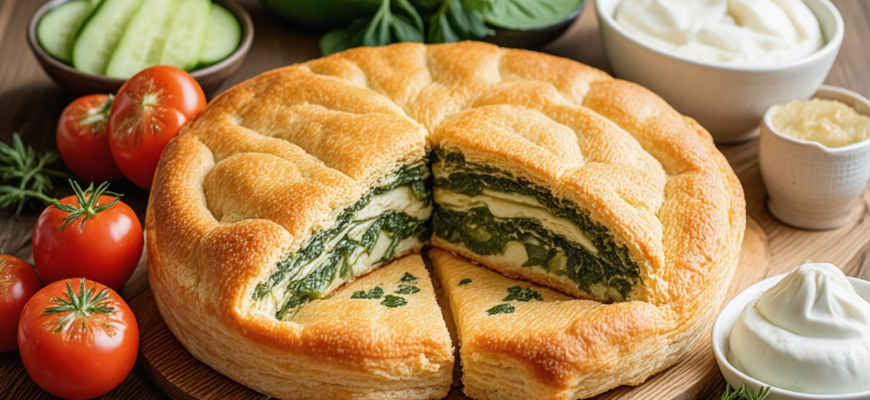
The world of culinary delights is rich with diverse dishes that reflect the cultural and historical essence of their regions. Among them, Albanian flia stands out as a traditional baked good that has evolved over centuries, showcasing regional flavors and techniques. Today, this beloved dish is taking on a new form—a layered flia filled with an array of savory ingredients, resembling a hearty Albanian pizza. In this article, explore the history, preparation methods, variations, and culinary secrets behind Albanian flia with layered fillings, transforming a humble pastry into a versatile gastronomic masterpiece.
- History and Cultural Significance of Albanian Flia
- The Origins of Flia in Albanian Cuisine
- Evolution into a Pizza-Like Dish
- The Art of Making Flia with Layered Fillings
- Ingredients for Traditional Flia
- Preparing the Dough
- Layered Fillings: Combining Traditional Flavors with Creativity
- Basic Principles of Layered Fillings
- Common Types of Fillings
- Flavor Accents and Seasonings
- Step-by-Step Guide to Making Albanian Flia with Layered Fillings
- 1. Preparing the Dough
- 2. Preparing Fillings
- 3. Assembling the Layered Flia
- 4. Baking
- 5. Serving
- Variations and Modern Approaches to Layered Flia
- Vegetarian and Vegan Options
- Regional Influences and Fusion
- Health Considerations and Nutritional Aspects
- Practical Tips for Perfect Layered Flia
- Embracing Tradition with a Modern Twist
- References and Further Reading
History and Cultural Significance of Albanian Flia
The Origins of Flia in Albanian Cuisine
Flia is a traditional Albanian dish that has been part of the country’s culinary heritage for centuries. Originally, it was a simple baked dough, cooked over open fires or in specialized clay stoves, served during festive occasions, family gatherings, and religious celebrations. The name “flia” (or “fli” in some regions) is believed to derive from the Albanian word “fli” meaning “to spread” or “to roll out,” referring to the preparation of the dough.
This dish traditionally features a base of thin dough layers, baked with a variety of toppings or fillings, which can include cheese, spinach, meat, or vegetables. Over time, regional variations have emerged, but the essence remains the same: a baked, layered pastry that unites simple ingredients into a flavorful whole.
Evolution into a Pizza-Like Dish
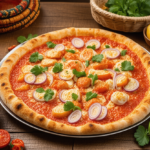
While classic flia has a rustic charm rooted in Albanian rural life, modern culinary influences have inspired chefs and home cooks to experiment with its form. Inspired by the popularity of pizza and layered baked dishes around the world, Albanian flia has evolved into a layered, multi-ingredient dish resembling a pizza but with distinctive local flavors. This adaptation maintains the traditional essence while adding a new dimension of taste and presentation.
The Art of Making Flia with Layered Fillings
Ingredients for Traditional Flia
Before exploring the layered fillings, it is essential to understand the core ingredients used in preparing the base of flia:
| Ingredient | Quantity | Notes |
|---|---|---|
| Flour | 3 cups (375 grams) | Type of flour: all-purpose or bread flour |
| Water | 1 to 1.5 cups (240-360 ml) | Adjust for dough consistency |
| Salt | 1 teaspoon | |
| Olive oil | 2 tablespoons | Optional, for richness |
| Vinegar or lemon juice | 1 teaspoon | Helps improve dough elasticity |
Preparing the Dough
The process begins with creating a smooth, elastic dough. Flour, salt, and olive oil are combined, then gradually mixed with water and a touch of vinegar or lemon juice. Kneading thoroughly ensures the dough becomes supple and elastic, capable of being rolled out into thin sheets without tearing.
Once prepared, the dough is rested for at least 30 minutes, covered with a clean cloth to prevent drying. Resting allows gluten to develop, which is crucial for achieving the characteristic thin layers necessary for layered flia.
Layered Fillings: Combining Traditional Flavors with Creativity
Basic Principles of Layered Fillings
The key to creating a successful layered flia is selecting ingredients that complement each other and can be evenly distributed across the dough layers. The fillings should be prepared in advance, cooked if necessary, and seasoned appropriately. When assembling, layers of dough and fillings are alternated in a harmonious manner, giving the final dish its structure and flavor complexity.
Common Types of Fillings
- Cheese and Spinach: A classic filling combining fresh or aged cheese with sautéed spinach, seasoned with herbs like dill or parsley.
- Minced Meat: Traditionally, ground lamb or beef mixed with onions, garlic, and spices such as paprika or black pepper.
- Vegetable Medley: Roasted peppers, tomatoes, zucchini, and onions, seasoned with herbs and olive oil.
- Seafood: For coastal regions, a filling of shrimp or fish with aromatic herbs adds a unique twist.
- Mixed Fillings: Combining two or more ingredients for layered complexity, such as cheese and meats or vegetables and seafood.
Flavor Accents and Seasonings
To enhance the taste, consider incorporating the following into the fillings:
- Fresh herbs: dill, parsley, mint
- Spices: paprika, cumin, black pepper
- Acidic components: lemon juice or vinegar to balance flavors
- Cheese varieties: feta, ricotta, or local Albanian cheeses
Step-by-Step Guide to Making Albanian Flia with Layered Fillings
1. Preparing the Dough
- Combine flour, salt, and olive oil in a large mixing bowl.
- Gradually add water and vinegar, mixing with your hands or a dough hook until a smooth, elastic dough forms.
- Cover and let rest for 30-45 minutes.
2. Preparing Fillings
- Cook or prepare ingredients as needed: sauté vegetables, cook meats, drain excess moisture.
- Season and taste test each filling to ensure balanced flavors.
3. Assembling the Layered Flia
- Preheat the oven to 180°C (356°F).
- Divide the rested dough into 4-6 equal portions for layering.
- Roll out the first portion into a thin sheet, approximately 30 cm in diameter or the size suitable for your baking dish.
- Grease the baking dish with olive oil and place the first dough layer.
- Spread a generous layer of your chosen filling evenly over the dough.
- Repeat the process: add another thin dough sheet, then a layer of filling, until all dough and fillings are used.
- Finish with a top dough layer, sealing the edges well.
4. Baking
- Poke small holes in the top layer with a fork to allow steam escape.
- Brush the top with olive oil or beaten egg for a golden crust.
- Bake in the preheated oven for approximately 40-50 minutes, or until golden brown and cooked through.
5. Serving
Allow the layered flia to rest for about 10 minutes after baking. Slice into portions and serve warm, garnished with fresh herbs or a drizzle of olive oil. Complement with a side salad or yogurt for a complete meal.
Variations and Modern Approaches to Layered Flia
Vegetarian and Vegan Options
To cater to vegetarian or vegan diets, fillings such as roasted vegetables, vegan cheeses, and plant-based protein sources like lentils or tofu can be used. Vegan dough recipes incorporating flaxseed or chia seed as egg replacers ensure the dish remains free of animal products.
Regional Influences and Fusion
Depending on the region, ingredients and flavors vary. Coastal areas might favor seafood fillings, while mountainous regions incorporate game meats or hearty cheeses. Modern chefs experiment by infusing Mediterranean herbs or even adding a tomato sauce layer for a pizza-like experience.
Health Considerations and Nutritional Aspects
| Nutritional Aspect | Details |
|---|---|
| Calories | Depends on fillings; can be high if using cheese and meat |
| Protein | Provides a good amount, especially with meat or cheese fillings |
| Carbohydrates | Primarily from the dough, with variations based on added ingredients |
| Fats | Healthy fats from olive oil; saturated fats from cheese or meat |
| Vitamins & Minerals | Rich in calcium, iron, vitamins A and C, depending on fillings |
Practical Tips for Perfect Layered Flia
- Use a rolling pin or pasta machine to achieve thin, even dough layers.
- Ensure fillings are well seasoned and not overly moist to prevent sogginess.
- Brush the top with egg or egg substitute for a crisp, golden crust.
- Let the baked flia rest briefly before slicing for cleaner portions.
- Experiment with flavor combinations to find your favorite version.
Embracing Tradition with a Modern Twist
Albanian flia with layered fillings exemplifies how traditional dishes can be adapted and reinvented to appeal to contemporary tastes while honoring their cultural roots. Its versatility allows for endless creative variations, making it suitable for any occasion—from hearty family dinners to impressive festive dishes. Whether prepared with classic ingredients or modern innovations, layered flia stands as a delicious testament to Albanian culinary heritage and the universal love for layered baked dishes that combine flavor, texture, and tradition into a single savory masterpiece.
References and Further Reading
- “Traditional Albanian Cuisine” by Balkan Culinary Heritage
- Recipe development and culinary techniques from Balkan gastronomy sources
- Food history articles on Albanian and Mediterranean baked goods
Похожие записи:
 Lebanese Manakish with Za’atar and Cheese: A Delicious Twist on Traditional Pizzas
  Scandinavian Rye-Based Flatbread Pizzas: A Delicious Twist on Traditional Pizza
  Ukrainian Pyrizhky with Savory Fillings: A Delicious Tradition
  Swedish Spritz with Its Thin Crust and Savory Toppings: A Delicious Twist in Pizza Styles
  Discovering Czech Pizza: Delicious Variations and Traditional Toppings
  Finnish Karjalanpiirakka with Its Regional Twist: A Delicious Journey Through History and Variations
  Calzone: The Folded Pizza from Italy – A Delicious Journey into Italian Cuisine
  Sicilian Pizza: A Delicious Dive into Thick, Square Slices and Its Rich History
  Brazilian Pizza with Unique Tropical Ingredients: A Delicious Fusion of Flavors
  Croatian Pizza with Mediterranean Influences: A Culinary Journey
  Belgian Tarte Flambée: The Crisp and Delicious Classic
  Irish Potato Bread Topped with Smoked Salmon: A Delicious Fusion of Tradition and Elegance
  Margarita Pizza: Italy’s Timeless Classic
  Discover the Bold Flavors of Serbian Pizza with Spicy Sausage and Peppers
  Mexican Tlayuda and Its Rustic Toppings: A Deep Dive into a Unique Culinary Tradition
  South African Queen Pizza with Local Flavors: A Tasty Fusion of Tradition and Innovation