
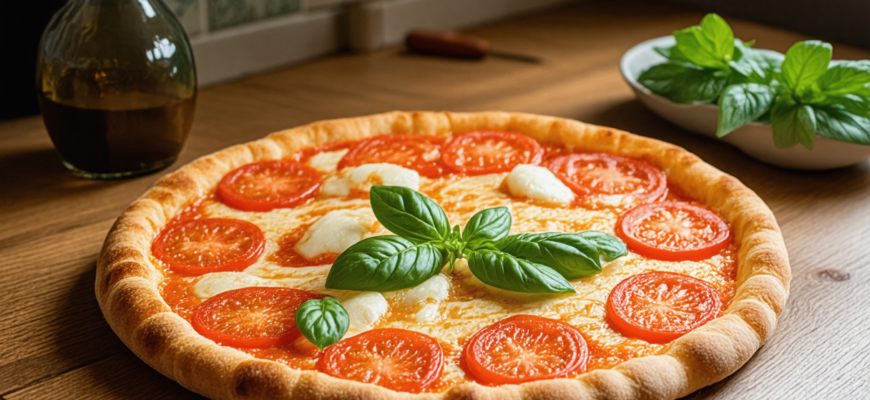
Among the countless varieties of pizza enjoyed across the globe, few have achieved the iconic status and cultural significance of the Margherita pizza. Rooted deeply in Italian history and tradition, this simple yet flavorful dish symbolizes more than just a delicious meal; it embodies Italy’s rich culinary heritage, national pride, and artistry. This comprehensive guide explores the fascinating journey of Margherita pizza from humble origins to becoming a symbol of Italy itself.
- The Origins of Margherita Pizza
- Historical Background and Early Beginnings
- The Birth of Queen Margherita of Savoy
- The Composition and Characteristics of Margherita Pizza
- Traditional Ingredients
- Cooking Techniques
- The Cultural Significance of Margherita Pizza
- Symbol of Italian Identity and Pride
- The Spread of Margherita Pizza Worldwide
- The Evolution of Margherita Pizza Over Time
- Modern Variations and Innovations
- Why Margherita Pizza Is Considered a Cultural Icon
- Recognition by Food Experts and Culinary Institutions
- Inclusion in UNESCO Intangible Cultural Heritage List
- Impact of Margherita Pizza on Italian Tourism and Economy
- Margherita Pizza’s Legacy and Future
- Preserving Tradition Amidst Modern Trends
- Potential for Continued Innovation
- Summary and Key Takeaways
- References
The Origins of Margherita Pizza
Historical Background and Early Beginnings
The story of Margherita pizza begins in Naples, Italy, during the late 19th century. At that time, pizza was primarily a street food enjoyed by the working-class population. It was inexpensive, filling, and easy to prepare, making it a popular choice among the locals. However, the transformation of pizza from a simple street snack to a symbol of national identity took place through a series of historical events and cultural influences.
The Birth of Queen Margherita of Savoy
The most widely accepted legend attributes the creation of Margherita pizza to the royal court. In 1889, Queen Margherita of Savoy visited Naples during her tour of Italy. During her visit, she was introduced to local cuisine, including the special pizza baked by the renowned pizzaiolo (pizza maker) Raffaele Esposito. To honor the queen and her visit, Esposito crafted a new pizza featuring toppings symbolizing the Italian national colors:
- Red – Tomato
- White – Mozzarella cheese
- Green – Fresh basil leaves
This patriotic combination was designed to evoke the Italian flag and celebrate national unity. It became known as “Pizza Margherita” after the queen’s name, cementing its place in culinary history.
The Composition and Characteristics of Margherita Pizza
Traditional Ingredients
Margherita pizza is celebrated for its simplicity and balance of flavors. Authentic recipes generally include the following elements:
| Ingredients | Description |
|---|---|
| Pizza dough | Made from flour, water, salt, yeast, and olive oil; the base of the pizza |
| Tomato sauce | Traditionally made from San Marzano tomatoes, seasoned simply with salt and olive oil |
| Fresh mozzarella cheese | Typically mozzarella di bufala or fior di latte for authentic flavor |
| Fresh basil leaves | Placed atop before baking to infuse aroma and color |
| Extra virgin olive oil | Drizzled on top or used in the dough for richness |
Cooking Techniques
The key to an authentic Margherita pizza lies in its preparation and baking method:
- Stretch or roll the dough to a thin, even circle.
- Spread the tomato sauce evenly across the surface, leaving a border for the crust.
- Add slices or chunks of mozzarella cheese.
- Place fresh basil leaves strategically on top.
- Bake in a very hot wood-fired oven at temperatures exceeding 450°C (about 842°F) for 60-90 seconds.
- Finish with a drizzle of high-quality olive oil before serving.
The Cultural Significance of Margherita Pizza
Symbol of Italian Identity and Pride
Margherita pizza’s colors—vivid red, pristine white, and vibrant green—are a direct reflection of the Italian flag. Its creation was a conscious effort to evoke national unity and pride through cuisine. Over time, the dish has become a global ambassador for Italian culinary artistry, representing Italy’s commitment to quality, simplicity, and flavor.
The Spread of Margherita Pizza Worldwide
Following its legendary origin, Margherita pizza’s popularity rapidly spread beyond Naples and Italy, fueled by Italian immigrants and the rise of globalization. It became a staple in pizzerias around the world, often considered the quintessential Italian pizza. Its universal appeal lies in its straightforward ingredients and delicious balance, making it accessible to diverse tastes and preferences.
The Evolution of Margherita Pizza Over Time
Modern Variations and Innovations
While traditionalists uphold classic recipes, modern chefs have experimented with variations to enhance flavors or accommodate dietary needs. These include:
- Adding heirloom tomatoes for richer flavor
- Using different types of mozzarella or plant-based cheeses
- Incorporating additional toppings like prosciutto, arugula, or cherry tomatoes
- Utilizing gluten-free or alternative flours in the dough
Despite these innovations, the core elements—tomato, mozzarella, basil—remain unchanged to preserve the iconic identity of Margherita pizza.
Why Margherita Pizza Is Considered a Cultural Icon
Recognition by Food Experts and Culinary Institutions
The simplicity and artistry of Margherita pizza have earned numerous accolades from international culinary organizations. The Associazione Verace Pizza Napoletana (True Neapolitan Pizza Association), for example, certifies authentic Neapolitan pizzas, including the Margherita, emphasizing strict preparation and baking standards. These certifications reinforce its cultural importance and culinary heritage.
Inclusion in UNESCO Intangible Cultural Heritage List
In 2017, the art of Neapolitan pizza-making, including the techniques used to prepare Margherita pizza, was inscribed on UNESCO’s list of intangible cultural heritage. This recognition highlights its significance as a traditional craft and cultural practice, transcending mere food to become a symbol of Italy’s intangible heritage.
Impact of Margherita Pizza on Italian Tourism and Economy
Thanks to its global recognition, Margherita pizza significantly contributes to Italy’s tourism industry. Visitors flock to Naples and other Italian regions eager to taste the authentic dish, boosting local businesses. Additionally, the export of ingredients, pizza-making equipment, and culinary tourism related to pizza heritage generate substantial economic benefits for Italy.
Margherita Pizza’s Legacy and Future
Preserving Tradition Amidst Modern Trends
While modern culinary trends continue to evolve, the authentic Margherita remains a symbol of culinary purity and tradition. Efforts by chefs, pizzerias, and culinary organizations aim to preserve traditional methods and recipes, ensuring that future generations can enjoy the original flavor and cultural significance.
Potential for Continued Innovation
Future innovations may include sustainable ingredients, new dietary options, and technological advancements in pizza baking. However, the core principles—simplicity, quality, and cultural symbolism—are expected to remain unchanged, maintaining its iconic status on the global stage.
Summary and Key Takeaways
- Margherita pizza originated in Naples and was named after Queen Margherita of Savoy in 1889.
- Its iconic colors represent the Italian flag and symbolize national unity.
- Core ingredients include dough, San Marzano tomato sauce, mozzarella cheese, basil, and olive oil.
- The dish is deeply embedded in Italian culture, recognized officially by UNESCO and culinary associations.
- Traditional techniques emphasize quick baking in high-temperature wood-fired ovens.
- The pizza’s universal appeal has helped promote Italian cuisine worldwide.
- Continued preservation and innovation ensure the legacy of Margherita pizza for future generations.
Margherita pizza, with its simple ingredients and profound symbolism, has transcended its origins to become a cultural emblem of Italy. Its creation reflected a moment of national pride and artistic expression, a tradition that continues to be celebrated both within Italy and globally. Whether enjoyed in a cozy Naples pizzeria or a modern international restaurant, Margherita pizza remains a testament to the beauty of simplicity, quality, and the power of culinary heritage.
References
For further reading on the history and significance of pizza in Italy, consider exploring resources on Italian culinary heritage, UNESCO’s recognition of food traditions, and the official guidelines of the Associazione Verace Pizza Napoletana.
Похожие записи:
 Margarita Pizza: Italy’s Timeless Classic
  Calzone: The Folded Pizza from Italy – A Delicious Journey into Italian Cuisine
  The Fascinating History of the First Recorded Pizza Recipe: From Ancient Origins to Modern Delight
  The Role of Local Ingredients in Regional Pizza Recipes: A Culinary Journey Across Cultures
  The Cultural Adaptation of Pizza in Different Countries: A Global Culinary Journey
  Neapolitan Pizza: The Art of Authentic Preparation
  The Influence of World Cuisines on Pizza Toppings: A Global Culinary Journey
  The Significance of Pizza in Pop Culture and Media
  The Influence of Italian Immigrants on Global Pizza Culture
  The History of Pizza Festivals and Competitions Worldwide
  The Emergence of Gourmet and Artisanal Pizza Chefs: Redefining a Classic Cuisine
  The Evolution of New York Thin-Crust Pizza: A Culinary Heritage of Flavor and Tradition
  South African Queen Pizza with Local Flavors: A Tasty Fusion of Tradition and Innovation
  The Evolution of Pizza Sauce Recipes Over Time: A Delicious Journey Through History
  The Rise of American-Style Pizza in the 20th Century: A Delicious Cultural Transformation
  Using Herbs and Basil for a Fresh Topping Finish: Transforming Your Pizza