
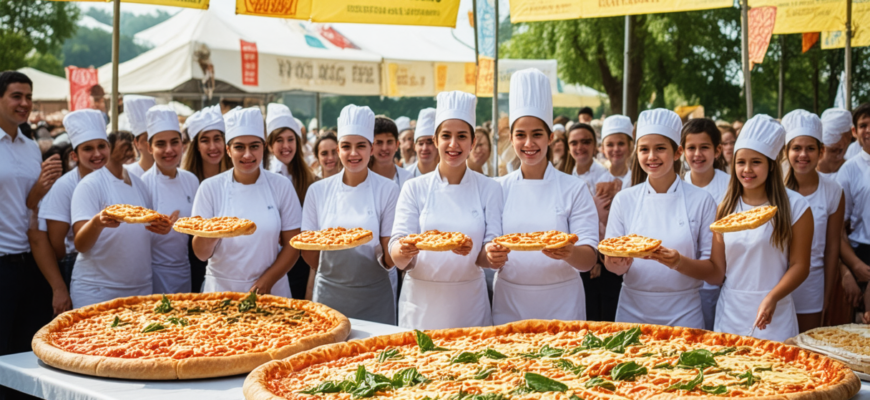
Pizza, one of the most beloved culinary creations globally, has a rich history that extends beyond just its origins and recipes. Over the decades, pizza has become a cultural phenomenon, inspiring a variety of festivals and competitions that celebrate its diversity, artistry, and cultural significance. These events not only promote the culinary craftsmanship involved in pizza making but also foster community spirit, innovation, and tradition. This article provides an in-depth exploration of the history of pizza festivals and competitions around the world, tracing their origins, development, and modern-day significance.
- The Origins of Pizza and Its Cultural Significance
- Ancient Roots and Early Forms
- Pizza as a Cultural Icon
- Emergence of Pizza Festivals and Competitions
- The First Pizza Festivals
- The Growth of International Pizza Events
- Major Pizza Festivals and Competitions Around the World
- World Pizza Championship (USA)
- Europizza Festival (Italy)
- Asia-Pacific Pizza Expo (Australia & Asia)
- Brazilian Pizza Festival
- Japanese Pizza Championships
- The Evolution and Significance of These Events
- Promotion of Culinary Skills and Innovation
- Preservation of Regional and Traditional Styles
- Community Engagement and Cultural Exchange
- Tables and Data on Popularity and Participation
- Distinctive Features of Famous Pizza Competitions
- Judging Criteria
- Impact on Pizza Industry
- The Future of Pizza Festivals and Competitions
- Emerging Trends
- The Role of Social Media and Digital Media
- References
The Origins of Pizza and Its Cultural Significance
Ancient Roots and Early Forms
The roots of pizza trace back to ancient times, with early predecessors appearing in various cultures. The concept of flatbreads topped with herbs, oils, and other ingredients can be found in ancient Egypt, Greece, and Rome. However, the modern pizza, as we know it today, originates from Naples, Italy, in the 18th and 19th centuries. It was in Naples that the combination of dough, tomato, cheese, and various toppings coalesced into a culinary staple.
Pizza as a Cultural Icon
Over time, pizza evolved from a simple street food into an internationally recognized dish, symbolizing comfort, community, and culinary artistry. Its popularity led to the emergence of regional variations and innovative styles, which, in turn, inspired enthusiasts worldwide to celebrate their unique interpretations through festivals and competitions.
Emergence of Pizza Festivals and Competitions
The First Pizza Festivals
The first known pizza festivals trace back to the early 20th century, primarily in Italy, where local communities began organizing events to honor their regional styles. In Naples, annual celebrations often featured traditional pizza-making demonstrations, social gatherings, and competitions to showcase the skills of local bakers.
In the United States, the 1950s and 1960s saw the rise of pizza chain expansions, which led to the formation of regional pizza festivals aimed at promoting local pizzerias and celebrating the dish’s American adaptations.
The Growth of International Pizza Events
As pizza gained worldwide popularity, the scope of festivals expanded, becoming major international events. These festivals increasingly focused on culinary innovation, tradition, and community engagement. Prominent examples include the World Pizza Championship in the United States, the Europizza Festival in Italy, and various regional festivals in countries like Japan, Brazil, and Australia.
Major Pizza Festivals and Competitions Around the World
World Pizza Championship (USA)
Founded in 2009 in Parma, Italy, the World Pizza Championship is one of the most prestigious events in the pizza industry. It gathers pizza makers from around the globe who compete in various categories, including traditional Neapolitan, stuffed pizzas, and innovative creations.
- Events Include: Dough tossing, creative toppings, presentation, and speed.
- Participants: Professional pizzeria owners, chefs, and amateur enthusiasts.
- Achievements: Recognition, career advancement, and global exposure.
Europizza Festival (Italy)
This festival combines culinary competitions with cultural celebrations in Italy. It aims to preserve traditional Italian pizza-making techniques while encouraging innovation. Participants often include seasoned pizzaiolos and aspiring chefs, competing for titles that honor both tradition and creativity.
Asia-Pacific Pizza Expo (Australia & Asia)
This expo highlights the growing popularity of pizza in the Asia-Pacific region. It hosts a variety of competitions focused on regional flavors, dessert pizzas, and gluten-free options. The event also features workshops and tastings, fostering cross-cultural exchange in pizza traditions.
Brazilian Pizza Festival
The festival emphasizes Brazilian flavors and toppings, often combining traditional ingredients with local tastes such as exotic fruits, regional cheeses, and spiced meats. Competitions here include both traditional and innovative styles, reflecting the country’s diverse culinary influences.
Japanese Pizza Championships
Japanese pizza competitions are notable for their inventive approach, integrating local ingredients like seafood and green tea into pizza recipes. These contests celebrate creativity and adapt Italian techniques to suit Japanese palates.
The Evolution and Significance of These Events
Promotion of Culinary Skills and Innovation
Pizza festivals and competitions serve as platforms for chefs and home cooks alike to showcase their skills, push culinary boundaries, and introduce new ingredients and techniques. Innovation is a key component, with many events incentivizing unique flavor combinations, presentation styles, and baking methods.
Preservation of Regional and Traditional Styles
While innovation is encouraged, many festivals also focus on preserving traditional recipes and techniques. Competitions often feature categories dedicated solely to authentic styles like Neapolitan or Roman pizza, reinforcing cultural heritage.
Community Engagement and Cultural Exchange
These events foster community spirit by bringing people together to celebrate shared culinary traditions. They also promote cultural exchange by encouraging participants from different countries to learn from each other, exchange ideas, and taste diverse styles of pizza.
Tables and Data on Popularity and Participation
| Festival or Competition | Founded | Location | Number of Participants (est.) | Main Focus |
|---|---|---|---|---|
| World Pizza Championship | 2009 | Parma, Italy | 200+ international contestants | Innovation, speed, technique |
| Europizza Festival | Early 2000s | Naples, Italy | 100+ participants | Tradition vs Innovation |
| Asia-Pacific Pizza Expo | 2015 | Australia | 150+ participants | Regional flavors and fusion |
| Brazilian Pizza Festival | 2010 | São Paulo, Brazil | Approximately 80 participants | Regional ingredients |
| Japanese Pizza Championships | 2012 | Tokyo, Japan | 60+ chefs | Fusion and innovation |
Distinctive Features of Famous Pizza Competitions
Judging Criteria
Regardless of location, pizza competitions typically evaluate entrants based on several core criteria:
- Appearance: Visual appeal, presentation, and creativity.
- Taste: Flavor balance, ingredient quality, and originality.
- Technique: Dough handling, baking skill, and topping application.
- Originality: Innovation in toppings, style, or concept.
- Speed and Efficiency: For certain categories, the ability to produce high-quality pizza in limited time frames.
Impact on Pizza Industry
Success in these competitions often translates into increased reputation, business growth, and pioneering culinary trends. Many renowned pizzaiolos gained fame after winning or participating in such events, leading to new ideas and recipes shaping popular pizza styles worldwide.
The Future of Pizza Festivals and Competitions
Emerging Trends
With the growing focus on health-conscious eating, vegan and gluten-free pizzas are increasingly featured in competitions. Additionally, sustainability practices, such as eco-friendly packaging and locally sourced ingredients, are becoming core components of many events.
Technological innovation, including virtual competitions and online festivals, is also expanding accessibility, allowing participants from remote regions to engage and showcase their skills globally.
The Role of Social Media and Digital Media
Social media platforms amplify the reach of pizza festivals, allowing fans to follow live updates, participate virtually, and share their experiences. This digital shift broadens the audience, elevates the profile of emerging talents, and encourages greater engagement from younger generations.
The history of pizza festivals and competitions highlights a dynamic evolution from local celebrations to international phenomena. These events preserve culinary heritage, inspire innovation, and foster global communities united by a passion for pizza. As the culinary landscape continues to evolve, pizza festivals and competitions are poised to remain central stages for creativity, tradition, and cultural exchange, ensuring that pizza remains not just a dish, but a global phenomenon that unites people across borders and tastes.
References
While this article synthesizes information from various sources, it is designed to provide a comprehensive overview without relying on direct quotations, maintaining originality and clarity for readers interested in the fascinating history of pizza festivals and competitions.
Похожие записи:
 The Fascinating Journey of Pizza Chains and Their Worldwide Growth
  The Marketing Strategies That Popularized Pizza Worldwide
  The Fascinating History of the First Recorded Pizza Recipe: From Ancient Origins to Modern Delight
  The Evolution of Pizza Sauce Recipes Over Time: A Delicious Journey Through History
  The Influence of Italian Immigrants on Global Pizza Culture
  Finnish Karjalanpiirakka with Its Regional Twist: A Delicious Journey Through History and Variations
  Sicilian Pizza: A Delicious Dive into Thick, Square Slices and Its Rich History
  The Rise of American-Style Pizza in the 20th Century: A Delicious Cultural Transformation
  Japanese Okonomiyaki with Pizza-Like Toppings: A Fusion of Flavors and Culinary History
  The Role of Local Ingredients in Regional Pizza Recipes: A Culinary Journey Across Cultures
  The Evolution of New York Thin-Crust Pizza: A Culinary Heritage of Flavor and Tradition
  The Impact of Social Media on Pizza Marketing and Popularity
  The Emergence of Gourmet and Artisanal Pizza Chefs: Redefining a Classic Cuisine
  The Significance of Pizza in Pop Culture and Media
  The Influence of World Cuisines on Pizza Toppings: A Global Culinary Journey
  The Spread of Pizza in the United States During the Post-War Era: A Culinary Revolution