
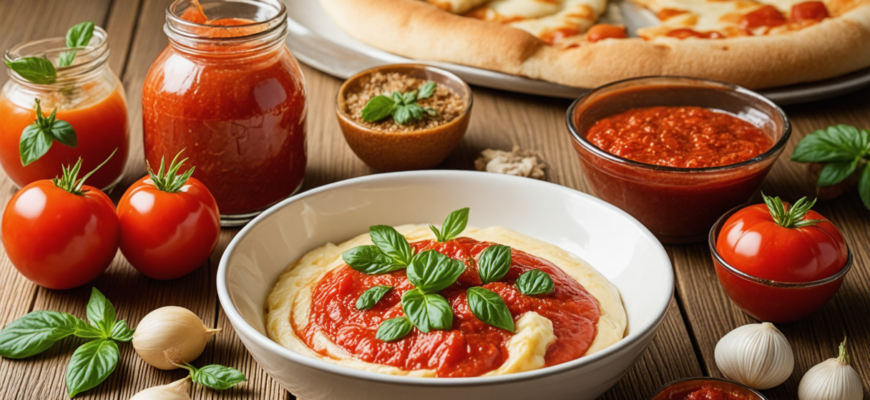
Pizza, one of the most beloved and internationally recognized dishes, has a rich history spanning centuries and continents. At the heart of every pizza is its sauce—an essential component that defines the flavor profile and character of the dish. From simple tomato-based sauces to complex blends infused with herbs, spices, and even unconventional ingredients, pizza sauces have evolved significantly over time. This article explores the fascinating journey of pizza sauce recipes, examining their origins, transformations, and the innovation that continues to shape this culinary staple.
- Roots of Pizza Sauce: The Ancient Beginnings
- The Origins of Tomato-Based Sauces
- Early Pizza Preparations in Italy
- The Classic Tomato Sauce: The Traditional Recipe
- Ingredients and Basic Preparation
- Preparation Steps
- Innovations and Variations in Pizza Sauce Over the Years
- Regional Differences and Cultural Influences
- American Innovations
- Other International Variations
- Modern Trend: Health-Conscious and Alternative Ingredients
- The Science of Pizza Sauce: Key Factors and Formulas
- Balancing Acid and Sweetness
- Texture and Consistency
- Step-by-Step Development of Modern Pizza Sauces
- Step 1: Choosing the Base
- Step 2: Flavor Enhancers
- Step 3: Cooking and Adjustments
- Comparison Table of Different Pizza Sauce Types
- Historical Evolution Summarized
- Timeline of Key Developments
- The Ever-Changing Landscape of Pizza Sauces
- References
Roots of Pizza Sauce: The Ancient Beginnings
The Origins of Tomato-Based Sauces
The story of pizza sauce begins primarily with the introduction of the tomato to Europe from the New World in the 16th century. Initially regarded with suspicion, tomatoes gradually gained popularity, especially in Southern Italy. By the 18th century, they became a staple in Italian cuisine, laying the foundation for the classic tomato sauce used today on pizzas.
Early Pizza Preparations in Italy
In medieval Naples, pizza was a simple street food designed for working-class populations. Early versions featured flatbreads topped with local ingredients, including garlic, oil, and herbs. Tomato paste became a natural addition as affordability and availability increased, transforming these simple breads into the precursor to modern pizza.
The Classic Tomato Sauce: The Traditional Recipe
Ingredients and Basic Preparation
| Ingredient | Quantity | Description |
|---|---|---|
| San Marzano tomatoes | 500g | Known for their sweetness and low acidity |
| Olive oil | 2 tbsp | Extra virgin for richness |
| Garlic | 2 cloves | Minced or crushed |
| Fresh basil | A handful | Chopped or whole leaves |
| Salt | To taste | Sea salt preferred |
| Sugar | 1 pinch (optional) | To balance acidity |
Preparation Steps
- Blanch and peel the tomatoes if fresh, or use high-quality canned tomatoes.
- Crush or blend the tomatoes to desired consistency.
- Sauté garlic in olive oil until fragrant.
- Add the tomatoes, basil, salt, and a pinch of sugar.
- Simmer on low heat for 30-45 minutes to develop flavor.
- Adjust seasoning as needed, then use as a sauce base.
Innovations and Variations in Pizza Sauce Over the Years
Regional Differences and Cultural Influences
While the traditional Italian tomato sauce remains popular, diverse regions and cultures have introduced their own variations, enhancing the flavor profile and catering to local tastes.
American Innovations
- Barbecue Sauce: Used on specialty pizzas, offering smoky sweetness.
- Alfredo or Cream-based Sauces: Rich, cheesy alternatives for different flavor profiles.
- Buffalo or Spicy Sauces: For those who prefer heat and bold flavors.
Other International Variations
- Herbed Pesto: A basil or arugula pesto base replacing tomato sauce.
- Hawaiian-inspired sauces: Incorporating pineapple or tropical fruits.
- Vegetable purees: For vegan and health-conscious options.
Modern Trend: Health-Conscious and Alternative Ingredients
With increasing health awareness, recipes have incorporated ingredients like low-sugar sauces, gluten-free bases, and organic produce. Some innovative sauces include:
- Cauliflower or vegetable purees
- Vegan cheese sauces
- Dark chocolate or balsamic reduction—used in experimental gourmet pizzas
The Science of Pizza Sauce: Key Factors and Formulas
Balancing Acid and Sweetness
Achieving a harmonious flavor involves balancing acidity from tomatoes with sweetness or sugar. A common ratio is:
pH balance formula:
Adjusted acidity = Total acidity – Added sweeteners
Optimal pH for tomato sauce: between 4.0 and 4.6 for safety and flavor.
Texture and Consistency
Depending on preference, sauces can be chunky or smooth. To modify texture:
- Puree ingredients using a blender for smooth consistency.
- Add tomato paste or simmer longer to thicken.
- Incorporate olive oil or butter for a richer mouthfeel.
Step-by-Step Development of Modern Pizza Sauces
Step 1: Choosing the Base
- Fresh or canned tomatoes
- Alternative purees (vegetable, fruit, or dairy-based)
Step 2: Flavor Enhancers
- Garlic, onion, herbs (basil, oregano, thyme)
- Spices (red pepper flakes, black pepper)
- Acidifiers (vinegar, lemon juice)
Step 3: Cooking and Adjustments
The cooking process is crucial for flavor development. Long simmering helps meld ingredients, while quick-prep sauces are suitable for fresh use.
Comparison Table of Different Pizza Sauce Types
| Type of Sauce | Ingredients | Flavor Profile | Best Used For |
|---|---|---|---|
| Traditional Tomato | Tomatoes, garlic, basil, olive oil | Rich, savory, slightly sweet | Classic Neapolitan, Margherita |
| White Sauce | Butter, cream, cheeses, garlic | Creamy, mild, cheesy | Alfredo, chicken, veggie pizzas |
| Sauce Pesto | Basil, pine nuts, olive oil, cheese | Herbaceous, nutty | Gourmet, vegetarian options |
| Barbecue | Tomato base, Worcestershire, spices | Sweet, smoky, tangy | BBQ chicken, pulled pork pizzas |
| Vegan/Alternative | Pureed vegetables, nut spreads | Fresh, earthy, healthful | Vegan, gluten-free pizzas |
Historical Evolution Summarized
Timeline of Key Developments
- 16th Century: Introduction of the tomato to Europe, initial use in Italian cuisine.
- 18th Century: Popularization of tomato-based sauces in Naples.
- 19th Century: Standardization of recipes, Italian diaspora spreads pizza globally.
- 20th Century: Creative regional variations and fast-food adaptations emerge.
- 21st Century: Focus on health, sustainability, and gourmet innovations influence pizza sauce diversity.
The Ever-Changing Landscape of Pizza Sauces
From the humble beginnings of simple tomato pastes in ancient Naples to the modern explosion of inventive flavors, pizza sauce recipes have continually adapted to cultural shifts, technological advances, and culinary creativity. The evolution reflects not just a change in ingredients and techniques but also an broadened appreciation for variety and experimentation. Whether sticking to traditional recipes or exploring avant-garde combinations, the core principle remains: a perfect sauce transforms a good pizza into an unforgettable experience. As new flavors and methods emerge, the journey of pizza sauces promises to be as dynamic and satisfying as the dish itself.
References
- Misson, G. (2020). The History of Italian Cuisine. Italian Food Publishing.
- Smith, L. (2019). Pizza: From Ancient Flatbreads to Gourmet Creations. Culinary Arts Press.
- Johnson, M. (2021). The Science of Flavor: Balancing Acidity and Sweetness in Sauces. Food Science Journal.
Похожие записи:
 The Role of Local Ingredients in Regional Pizza Recipes: A Culinary Journey Across Cultures
  The Influence of World Cuisines on Pizza Toppings: A Global Culinary Journey
  The Evolution of New York Thin-Crust Pizza: A Culinary Heritage of Flavor and Tradition
  Croatian Pizza with Mediterranean Influences: A Culinary Journey
  Calzone: The Folded Pizza from Italy – A Delicious Journey into Italian Cuisine
  Sicilian Pizza: A Delicious Dive into Thick, Square Slices and Its Rich History
  Brazilian Pizza with Unique Tropical Ingredients: A Delicious Fusion of Flavors
  The Rise of Gluten-Free and Vegan Pizza Options: A Delicious Revolution
  Finnish Karjalanpiirakka with Its Regional Twist: A Delicious Journey Through History and Variations
  The Rise of American-Style Pizza in the 20th Century: A Delicious Cultural Transformation
  Japanese Okonomiyaki with Pizza-Like Toppings: A Fusion of Flavors and Culinary History
  The Fascinating Journey of Pizza Chains and Their Worldwide Growth
  The Journey of Creating Vegan Cheese for Pizza: From Concept to Slice
  The Emergence of Gourmet and Artisanal Pizza Chefs: Redefining a Classic Cuisine
  Neapolitan Pizza: The Art of Authentic Preparation
  The Influence of Italian Immigrants on Global Pizza Culture