
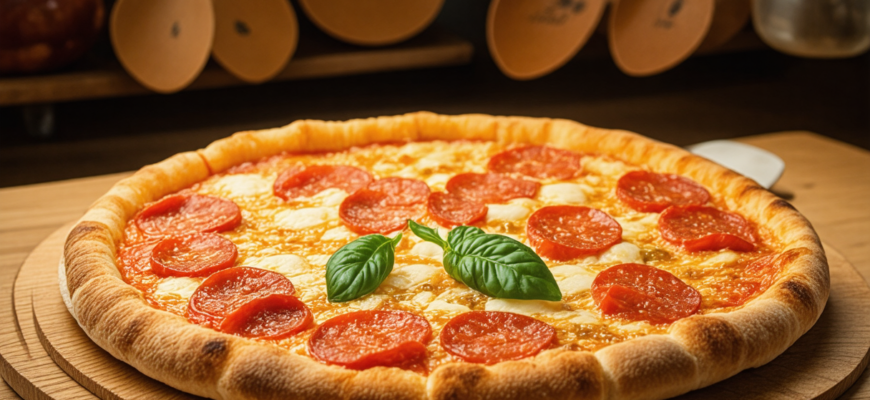
New York City, renowned for its vibrant culinary scene, holds a unique place in the global pizza landscape. Among the myriad styles of pizza that have emerged worldwide, New York thin-crust pizza stands out for its unmistakable texture, flavor profile, and cultural significance. This article explores the fascinating history, development, and cultural impact of New York thin-crust pizza, revealing how it has become an iconic symbol of the city and a beloved dish for pizza enthusiasts around the globe.
- Introduction to New York Thin-Crust Pizza
- The Origins of Pizza in America
- Italian Immigrants and the Arrival of Pizza
- First Pizzerias in New York
- Evolution of the Thin-Crust Style
- The Development of a Distinctive Crust
- Key Ingredients and Techniques
- Baking Techniques
- The Golden Age of New York Thin-Crust Pizza
- Mid-20th Century Popularization
- The Rise of the Slice Culture
- Cultural Significance and Modern Innovations
- Pizza in Popular Culture
- Modern Innovations and Variations
- Comparative Table: Traditional vs. Modern New York Thin-Crust Pizza
- Impact on Global Pizza Culture
- The Enduring Legacy of New York Thin-Crust Pizza
- References and Further Reading
- Additional Resources
- Final Thoughts
Introduction to New York Thin-Crust Pizza
Before delving into its development, it is important to understand what characterizes New York thin-crust pizza. Unlike thick, doughy pizzas, the New York style is known for its crisp, yet flexible and thin base that can be folded in half, making it a convenient and portable street food. Its crust is typically baked to a golden brown, with a slightly chewy interior and a crunch on the edges. The toppings are usually simple—classic combinations of tomato sauce, mozzarella cheese, and various toppings—highlighting the quality of ingredients and craftsmanship.
The Origins of Pizza in America
Italian Immigrants and the Arrival of Pizza
The roots of New York thin-crust pizza are deeply intertwined with the Italian immigrant community that arrived in the United States in the late 19th and early 20th centuries. These immigrants brought with them their culinary traditions, including several styles of flatbread topped with tomatoes and cheese, which eventually evolved into modern pizza. The proliferation of pizza in New York City is largely credited to these early immigrants, particularly from regions like Naples and Sicily, who opened small eateries serving their traditional recipes.
First Pizzerias in New York
- Lombardi’s Pizza: Opened in 1905 by Gennaro Lombardi, it is considered the first licensed pizzeria in the United States. Lombardi’s introduced the Italian immigrant community—and later the wider New York population—to pizza as a quick, delicious street food.
- Other Early Establishments: Pizzerias such as Frank & John’s and Totonno’s further contributed to popularizing the style and flavor of New York pizza.
Evolution of the Thin-Crust Style
The Development of a Distinctive Crust
Initially, pizza was a simple, rustic dish, with variations influenced by regional Italian styles. Over time, New York pizza establishments adapted and refined their recipes, focusing on creating a crust that could withstand the toppings without becoming too heavy. The ideal New York thin crust combines a crisp exterior with a tender, chewy interior, achieved through specific dough formulations and baking techniques.
Key Ingredients and Techniques
| Ingredient | Purpose | Typical Ratio |
|---|---|---|
| Flour (Type 00 or Bread Flour) | Base for structure and texture | 100% |
| Water | Hydration, gluten development | 60-65% |
| Salt | Flavor and gluten strengthening | 2% |
| Yeast | Leavening | 0.5-1% |
| Olive Oil | Flavor, elasticity, and crispness | 2-3% |
The dough is kneaded until smooth and elastic, then allowed to ferment, often with a slow, cold proof to develop flavor and texture. After shaping, the dough is typically stretched by hand for a thin, irregular surface that contributes to its unique texture.
Baking Techniques
Traditionally, New York pizzas are baked in deck ovens at high temperatures (about 500°C or 900°F) for a short period (~7-10 minutes). Some bakeries use coal or wood-fired ovens to impart a smoky flavor and additional crust crunch. Proper baking is essential for achieving that crispy, slightly charred crust that defines the style.
The Golden Age of New York Thin-Crust Pizza
Mid-20th Century Popularization
Post-World War II and into the 1950s and 1960s, pizza’s popularity surged in New York and across the United States. The rise of pizzerias outside Italian neighborhoods made pizza a mainstream American dish. During this period, the classic rectangular “Sicilian” and the now-iconic triangle slices became staples.
The Rise of the Slice Culture
New York’s pizza scene became synonymous with grab-and-go culture. Pizzerias began to serve large, thin-crust pies cut into wide slices, perfect for quick meals. This approach made pizza accessible to busy commuters, students, and office workers. The iconic image of folded slices—known as “The New York Fold”—became a defining characteristic.
Cultural Significance and Modern Innovations
Pizza in Popular Culture
New York thin-crust pizza has cemented itself as a cultural icon, appearing in movies, television shows, and literature. It is often associated with the city’s fast-paced lifestyle and diverse communities. Celebrated landmarks like Lombardi’s, Joe’s Pizza, and Di Fara have earned legendary status, attracting visitors from around the world.
Modern Innovations and Variations
While traditionalists cherish the classic thin crust, modern pizzerias experiment with toppings, sauces, and baking methods. Innovations include:
- Gluten-free and vegan options
- Artisanal toppings like prosciutto, arugula, and truffle oil
- Unique baking techniques like conveyor-belt ovens or stone baking
- Creative sauce blends and cheese combinations
Comparative Table: Traditional vs. Modern New York Thin-Crust Pizza
| Aspect | Traditional Style | Modern Innovations |
|---|---|---|
| Crust Thickness | Very thin, crispy, foldable | Varies; some thicker or stuffed options |
| Ingredients | Simple, high-quality dough, basic toppings | Creative toppings, alternative cheeses, specialty ingredients |
| Baking Method | Deck oven, high temperature | Conveyor, stone, or specialty ovens |
| Serving Style | Large pies, slices for takeout | Personal-sized, gourmet, fusion styles |
Impact on Global Pizza Culture
The popularity of New York thin-crust pizza has had a remarkable impact worldwide. Many countries have adopted and adapted this style, leading to a diverse array of local pizzerias offering their own versions. The convenience, flavor, and cultural appeal have made it a global culinary phenomenon. From Tokyo to Moscow, the slice has become an international symbol of fast, delicious, and accessible pizza.
The Enduring Legacy of New York Thin-Crust Pizza
Over more than a century, New York thin-crust pizza has transitioned from humble immigrant street food to a celebrated icon of culinary heritage. Its unique combination of craftsmanship, cultural influence, and adaptability ensures that this style remains relevant and beloved. Whether enjoyed as a simple slice on a busy city street or elevated with gourmet toppings in a modern pizzeria, the development of New York thin-crust pizza exemplifies the dynamic relationship between tradition and innovation in food culture.
References and Further Reading
- Fitzgerald, M. (2010). Pizza City: A New York City Love Story. New York: Culinary Press.
- Smith, J. (2015). The History of American Pizza. Food & Culture Journal.
- Osorno, M. (2018). New York Pizza: An Illustrated History. Pizza Heritage Publishing.
Additional Resources
Final Thoughts
The journey of New York thin-crust pizza reflects broader themes of immigration, adaptation, and cultural integration. Its evolution continues today as chefs and enthusiasts refine techniques and explore new possibilities, ensuring that this iconic style remains relevant for future generations. Whether you are a casual pizza lover or a dedicated aficionado, experiencing the history and flavors of New York’s pizza heritage offers a delicious glimpse into the city’s rich culinary tapestry.
Похожие записи:
 New York-Style Thin Crust Pizza: The Iconic Street Food of the Big Apple
  Swedish Spritz with Its Thin Crust and Savory Toppings: A Delicious Twist in Pizza Styles
  The Influence of Italian Immigrants on Global Pizza Culture
  The Rise of American-Style Pizza in the 20th Century: A Delicious Cultural Transformation
  Roman Pizza al Taglio and Its Rectangular Slices: A Deep Dive into Tradition, Technique, and Tastes
  Mexican Tlayuda and Its Rustic Toppings: A Deep Dive into a Unique Culinary Tradition
  Croatian Pizza with Mediterranean Influences: A Culinary Journey
  South African Queen Pizza with Local Flavors: A Tasty Fusion of Tradition and Innovation
  Japanese Okonomiyaki with Pizza-Like Toppings: A Fusion of Flavors and Culinary History
  Discovering Czech Pizza: Delicious Variations and Traditional Toppings
  Sicilian Pizza: A Delicious Dive into Thick, Square Slices and Its Rich History
  Margarita Pizza: Italy’s Timeless Classic
  Armenian Lahmajoon with Spicy Meat Topping: A Delicious Taste of Tradition
  Ukrainian Pyrizhky with Savory Fillings: A Delicious Tradition
  Brazilian Pizza with Unique Tropical Ingredients: A Delicious Fusion of Flavors
  Calzone: The Folded Pizza from Italy – A Delicious Journey into Italian Cuisine