
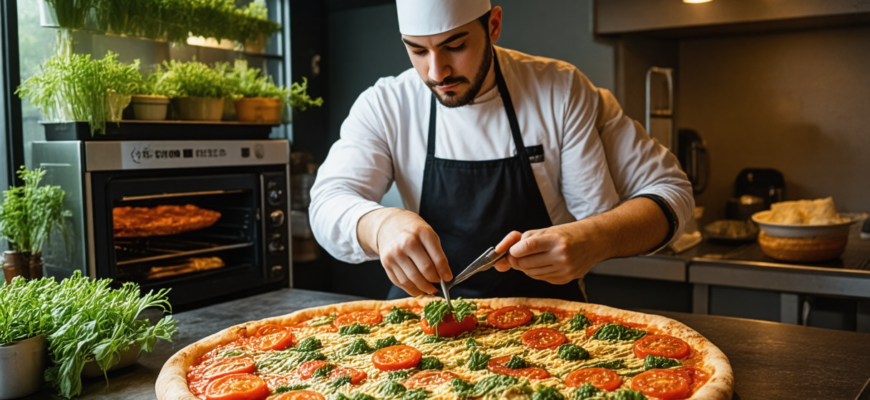
Pizza, a beloved culinary creation with roots deeply embedded in Italian tradition, has evolved dramatically over the centuries. From humble origins as a simple flatbread topped with herbs and cheese to today’s diverse array of gourmet and fast-food variations, pizza continues to adapt to changing tastes, technology, and societal trends. As the world moves forward, the future of pizza promises exciting innovations, sustainable practices, and new flavor combinations that will redefine this timeless dish. This article explores the emerging trends that are shaping the future of pizza, highlighting how culinary ingenuity, environmental consciousness, and health considerations are influencing its evolution.
- The Past and Present of Pizza: A Brief Overview
- Historical Roots
- The Modern Era
- Emerging Trends in Pizza: An Overview
- Technological Innovations Influencing Pizza Production
- Automation and Robotics
- 3D Food Printing
- Smart Kitchens and IoT Integration
- Sustainability and Eco-Friendly Practices
- Green Sourcing of Ingredients
- Reducing Food Waste
- Energy-Efficient Equipment
- Health-Conscious and Inclusive Pizza Trends
- Plant-Based and Vegan Options
- Gluten-Free and Low-Carb Crusts
- Functional Ingredients
- Flavor Innovations and Creative Combinations
- Global Culinary Influences
- Sweet and Savory Blends
- Novel Toppings and Ingredients
- Health and Wellness in Pizza: Balancing Indulgence and Nutrition
- Market and Consumer Preferences Driving Change
- Customization and Personalization
- Digital Ordering and Delivery
- Transparency and Ingredient Quality
- Future of Pizza: Possibilities and Predictions
- Integration of Augmented Reality and Virtual Reality
- Personalized Nutrition and Smart Diets
- Eco-Conscious and Zero-Waste Models
- References and Further Reading
The Past and Present of Pizza: A Brief Overview
Historical Roots
The earliest forms of pizza appeared in ancient civilizations, where flatbreads were topped with various ingredients to make them more filling. In Italy, especially in the Naples region during the 18th century, pizza as we know it began to take shape, characterized by its thin crust and tomato topping. The introduction of mozzarella cheese and the development of various toppings gave rise to the modern pizza.
The Modern Era
Today, pizza is a global phenomenon, with countless variations tailored to local tastes. From New York-style pizza’s wide slices to Italian thin-crust, Chicago deep-dish, and even gluten-free or vegan options, the diversity is immense. Commercial chains, artisanal pizzerias, and innovative startups continue to push the boundaries of what pizza can be, setting the stage for future developments.
Emerging Trends in Pizza: An Overview
As the culinary scene evolves, several key trends are shaping the future direction of pizza. These include technological innovations, sustainability efforts, health-focused ingredients, and novel flavor combinations. Understanding these trends offers insights into how pizza will transform in the coming years.
Technological Innovations Influencing Pizza Production
Automation and Robotics
Automation is revolutionizing the way pizza is made, especially in fast-food chains. Robots now prepare ingredients, assemble pizzas, and even bake them with speed and precision. This not only increases efficiency but also ensures consistency in quality.
3D Food Printing
One of the most futuristic developments is 3D food printing technology. Chefs and food technologists are experimenting with printing pizza bases and toppings layer by layer, allowing for highly customized designs and flavors. This technology could lead to on-demand, personalized pizzas in homes and restaurants.
Smart Kitchens and IoT Integration
Internet of Things (IoT) devices help monitor and control oven temperatures, ingredient freshness, and inventory levels. Smart kitchens enable pizzerias to optimize operations, reduce waste, and deliver freshly baked pizzas faster.
Sustainability and Eco-Friendly Practices
Green Sourcing of Ingredients
Sustainability is a driving force behind many upcoming pizza trends. Chefs and companies are prioritizing locally sourced, organic ingredients, reducing carbon footprints associated with transportation. This includes sustainable wheat for crusts, organic vegetables, and eco-friendly packaging.
Reducing Food Waste
Smart inventory management and creative use of leftovers contribute to less waste, a vital aspect of sustainable food production. Some pizzerias are also experimenting with edible or biodegradable packaging to minimize environmental impact.
Energy-Efficient Equipment
Adoption of energy-efficient ovens and appliances helps reduce energy consumption. Solar-powered kitchens and other renewable energy solutions are increasingly being integrated into pizza production facilities.
Health-Conscious and Inclusive Pizza Trends
Plant-Based and Vegan Options
The rise of vegetarian and vegan lifestyles has led to a surge in plant-based pizzas. These often feature dairy-free cheeses, vegan meats, and a variety of vegetables, appealing to health-conscious consumers and those with dietary restrictions.
Gluten-Free and Low-Carb Crusts
Addressing gluten sensitivities and low-carb diets, pizzerias are innovating with alternative crusts made from cauliflower, almond flour, or other health-friendly ingredients. These options broaden pizza’s appeal to diverse dietary preferences.
Functional Ingredients
Adding superfoods, probiotics, and other functional ingredients to pizzas is a growing trend. These ingredients aim to enhance nutrition and promote health benefits beyond merely satisfying taste buds.
Flavor Innovations and Creative Combinations
Global Culinary Influences
International flavors are increasingly incorporated into pizza recipes. From Indian curry-inspired toppings to Middle Eastern spices, the fusion of culinary traditions results in unique, exciting pizzas.
Sweet and Savory Blends
The combination of sweet and savory flavors is gaining popularity. Examples include fig and prosciutto, barbecue chicken with pineapple, or desserts like Nutella and fruit toppings on a pizza base.
Novel Toppings and Ingredients
Innovators are experimenting with unconventional toppings such as edible flowers, truffle oils, exotic cheeses, and even edible gold leaf, elevating pizza to gourmet status.
Health and Wellness in Pizza: Balancing Indulgence and Nutrition
| Trend | Description | Potential Benefits |
|---|---|---|
| Portion Control | Offering smaller or split pizzas to help manage calorie intake. | Healthier consumption practices, reducing overeating. |
| Functional Ingredients | Additions like chia seeds, turmeric, or spirulina for added health benefits. | Enhanced nutrition and wellness support. |
| Low-Fat and Low-Sodium Options | Using alternative cheeses and reduced salt in dough and toppings. | Better suited for health-conscious consumers. |
| Alternative Proteins | Incorporation of plant-based or lean meats. | Sustainable and healthier protein sources. |
Market and Consumer Preferences Driving Change
Customization and Personalization
Modern consumers increasingly seek personalized dining experiences. Pizzerias are responding by offering build-your-own options, allowing customers to select exactly what they want on their pizza, from dough type to toppings and sauces.
Digital Ordering and Delivery
The rise of mobile apps and online platforms has transformed how customers interact with pizza providers. On-demand delivery services and contactless ordering are now standard, further encouraging innovation and convenience.
Transparency and Ingredient Quality
Consumers demand transparency regarding ingredient sourcing, production processes, and nutritional information. This push for clarity influences pizzeria practices and menu development.
Future of Pizza: Possibilities and Predictions
Integration of Augmented Reality and Virtual Reality
Imagine ordering a pizza where you can see a virtual preview of your customized creation before it’s made or experience immersive tasting demonstrations via augmented reality. Such technologies could become commonplace in future pizzerias.
Personalized Nutrition and Smart Diets
With advancements in health monitoring and dietary data, future pizzas might be tailored to individual nutritional needs, incorporating specific superfoods, vitamins, or caloric limits based on user health profiles.
Eco-Conscious and Zero-Waste Models
Beyond current trends, the future could see the development of zero-waste pizzerias that fully utilize ingredients, compost waste, and adopt circular economy principles to minimize their environmental footprint.
As pizza continues to adapt to the evolving landscape of culinary innovation, Societal shifts towards health, sustainability, and personalization are major driving forces behind its future development. Technological advancements such as automation and 3D printing will streamline production and enable unprecedented customization. Meanwhile, a focus on eco-friendly practices and inclusive, health-conscious options will ensure that pizza remains a universal comfort food with a sustainable future. The evolution of pizza promises not only exciting new flavors and formats but also a more responsible and personalized dining experience for generations to come.
References and Further Reading
- Smith, J. (2022). Innovations in Food Technology. Culinary Science Journal.
- Johnson, K. (2023). Sustainable Nutrition Trends. EcoFood Magazine.
- Martinez, L. (2021). Global Fusion in Modern Cuisine. Food & Culture Review.
Похожие записи:
 The History and Evolution of Pizza Delivery Services: From Local Pizzerias to Global Giants
  The Evolution of New York Thin-Crust Pizza: A Culinary Heritage of Flavor and Tradition
  The Evolution of Pizza Sauce Recipes Over Time: A Delicious Journey Through History
  The Technological Innovations in Pizza Baking Techniques: Transforming Tradition into Modern Masterpieces
  The Journey of Creating Vegan Cheese for Pizza: From Concept to Slice
  The Rise of Healthy and Alternative Pizza Options: A Delicious Revolution
  The Role of Technology in Pizza Delivery Innovations: Transforming the Culinary Experience
  The Influence of Molecular Gastronomy on Modern Pizza Creations
  The Emergence of Gourmet and Artisanal Pizza Chefs: Redefining a Classic Cuisine
  The Rise of Gluten-Free and Vegan Pizza Options: A Delicious Revolution
  The Marketing Strategies That Popularized Pizza Worldwide
  The Fascinating Journey of Pizza Chains and Their Worldwide Growth
  The Spread of Pizza in the United States During the Post-War Era: A Culinary Revolution
  The Influence of Italian Immigrants on Global Pizza Culture
  The Role of Local Ingredients in Regional Pizza Recipes: A Culinary Journey Across Cultures
  The Fascinating History of the First Recorded Pizza Recipe: From Ancient Origins to Modern Delight