
Pizza today is one of the most popular and beloved dishes worldwide, admired for its versatility, flavor, and cultural significance. However, few realize that its origins are rooted deep in the historic city of Naples, Italy. The transformation of a simple flatbread into the modern pizza we enjoy today was a complex process driven by local innovations, social changes, and culinary ingenuity. This comprehensive article explores the fascinating history behind the birth of modern pizza in Naples, tracing its evolution from humble beginnings to global culinary icon.
- Historical Background: The Ancient Foundations of Flatbreads
- The Roots of Flatbread in Ancient Civilizations
- Medieval Italy and the Early Forms of Pizza
- Naples in the 18th and 19th Centuries: The Cradle of Modern Pizza
- Social and Economic Contexts That Fostered Pizza’s Growth
- The Emergence of Pizza as Street Food
- The Key Ingredients and Their Impact on Pizza’s Development
- Tomatoes: The Pepper of the New World
- Cheese: The Binding Element
- Olive Oil and Herbs
- From Street Food to Royal Tables: The Evolution of Pizza
- The Pizza Margherita and National Pride
- Standardization and the Birth of Pizzeria Culture
- The Science and Art Behind the Perfect Neapolitan Pizza
- Traditional Techniques and Ingredients
- The Formula for a Classic Margherita Pizza
- Global Influence and Modern Variations
- Adaptations Around the World
- The Continued Relevance of Traditional Techniques
- The Enduring Legacy of Naples in Pizza History
- Summary Table: Key Milestones in the Birth of Modern Pizza
- References and Further Reading
Historical Background: The Ancient Foundations of Flatbreads
The Roots of Flatbread in Ancient Civilizations
Before the advent of pizza, various civilizations around the world already mastered the art of baking flatbreads. Ancient Egyptians, Greeks, and Romans all had their versions of bread baked on hot stones or in clay ovens. These early breads served as staples, offering nourishment to the masses and often topped with locally available ingredients. The idea of adding toppings or flavorings gradually developed over centuries, paving the way for more sophisticated forms of flatbread.
Medieval Italy and the Early Forms of Pizza
During medieval times, as trade routes expanded, urban centers like Naples became melting pots of culinary influences. Bread with toppings — often herbs, garlic, cheese, or leftover vegetables — emerged as street food among the lower classes. These rudimentary dishes were known by various names and lacked the consistency or refinement that would later define modern pizza. Nevertheless, they laid the groundwork for what was to come, embodying the principle of turning humble ingredients into flavorful dishes.
Naples in the 18th and 19th Centuries: The Cradle of Modern Pizza
Social and Economic Contexts That Fostered Pizza’s Growth
In the 18th and 19th centuries, Naples was a bustling port city marked by economic hardships and social stratification. The city’s population was predominantly working class, including fishermen, farmers, and laborers who sought quick, affordable, and satisfying meals. The streets of Naples teemed with vendors selling simple, portable foods. This environment created fertile ground for innovations in street cuisine.
The Emergence of Pizza as Street Food
It was during this period that pizza evolved from a basic bread with toppings into a distinct culinary form. Vendors began offering flatbreads topped with tomatoes (which had been introduced to Europe from the New World), cheese, garlic, and herbs. These early pizzas were inexpensive, filling, and easy to eat on the go, making them a popular choice among the working class.
The Key Ingredients and Their Impact on Pizza’s Development
Tomatoes: The Pepper of the New World
The arrival of tomatoes in Europe from the Americas in the 16th century revolutionized European cuisine. Initially believed to be toxic, tomatoes gradually gained acceptance in Italy, especially in the south. In Naples, they became a defining ingredient, transforming simple bread into a flavorful dish. By the 18th century, tomato-topped flatbreads became common street food, earning the nickname “pizza.”
Cheese: The Binding Element
Fresh mozzarella cheese, native to the Campania region, became essential in creating authentic Neapolitan pizza. Its meltability, mild flavor, and availability made it the perfect ingredient to complement the acidity of tomatoes and the saltiness of other toppings.
Olive Oil and Herbs
Extra virgin olive oil and fresh herbs like basil and oregano added aroma, richness, and complexity, elevating the simple toppings into a celebrated culinary combination.
From Street Food to Royal Tables: The Evolution of Pizza
The Pizza Margherita and National Pride
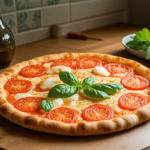
One of the most iconic moments in pizza history occurred in 1889 when Queen Margherita of Savoy visited Naples. A local pizzaiolo (pizza maker), Raffaele Esposito, created a pizza topped with tomatoes, mozzarella, and basil to represent the Italian flag’s colors. This created the Pizza Margherita, which became a symbol of Italian national pride and is considered a milestone in pizza history.
Standardization and the Birth of Pizzeria Culture
In the early 20th century, pizzerias began to emerge in Naples, serving standardized recipes and attracting a broader clientele. The rise of pizzerias transformed pizza from a street snack into a social and cultural phenomenon, with dedicated establishments operating across Italy and later around the world.
The Science and Art Behind the Perfect Neapolitan Pizza
Traditional Techniques and Ingredients
Authentic Neapolitan pizza is crafted with specific techniques and ingredients, including:
- Dough: Made from Type 00 flour, water, salt, and fresh yeast, kneaded until elastic, and left to ferment for at least 8 hours.
- Tomato sauce: Prepared from San Marzano tomatoes, renowned for their sweet flavor and low acidity.
- Cheese: Fresh mozzarella di bufala or fior di latte.
- Cooking: Baked in a wood-fired oven at 430–480°C (800–900°F) for about 60–90 seconds, creating a characteristic crust.
The Formula for a Classic Margherita Pizza
The traditional recipe can be summarized in this formula:
Pizza = Dough + San Marzano Tomato Sauce + Mozzarella di Bufala + Basil + Extra Virgin Olive Oil
This combination results in the harmonious balance of flavors and textures characteristic of authentic Neapolitan pizza.
Global Influence and Modern Variations
Adaptations Around the World
As pizza spread worldwide, regional adaptations emerged, incorporating local ingredients and tastes. For example:
- American-style: Thick crusts, extra cheese, and toppings like pepperoni and sausage.
- Brazilian: Green peas and other local ingredients.
- Japanese: Seafood toppings like squid and seaweed.
- Vegan and Gluten-Free: Alternatives catering to dietary restrictions, retaining the essence of traditional pizza.
The Continued Relevance of Traditional Techniques
Despite the diversity of styles, many chefs and pizzerias continue to emphasize the importance of traditional techniques, such as using a wood-fired oven and high-quality ingredients, to keep the authentic Neapolitan identity alive.
The Enduring Legacy of Naples in Pizza History
Modern pizza’s origins in Naples exemplify how innovation, cultural exchange, and social needs can transform simple ingredients into a global phenomenon. The city’s historical role as a melting pot of culinary influences, combined with its passion for quality ingredients and traditional techniques, cemented Naples as the birthplace of the modern pizza. Today, pizza serves as both a culinary tradition and a canvas for creativity, carrying the rich history of Naples wherever it is enjoyed around the world.
Summary Table: Key Milestones in the Birth of Modern Pizza
| Year | Event | Description |
|---|---|---|
| 16th Century | Introduction of Tomatoes | Tomatoes arrive in Europe, eventually becoming integral to pizza toppings in Naples. |
| 18th Century | Street Food Emerges | Flatbreads topped with simple ingredients gain popularity among Naples’ working class. |
| 1889 | Creation of Pizza Margherita | Raffaele Esposito presents a pizza representing Italy’s national colors for Queen Margherita. |
| Early 20th Century | Birth of Pizzerias | Commercial establishments begin to serve standardized, traditional Neapolitan pizza. |
| Today | Global Phenomenon | Neapolitan pizza techniques and ingredients influence worldwide culinary trends. |
References and Further Reading
- Clara, G. (2014). Pizza: A Global History. London: Routledge.
- Mercer, K. (2017). The Science of Authentic Neapolitan Pizza. Food Science Journal.
- Naples City Archive. (2020). The Evolution of Pizza in Naples.
- Official Guide to Traditional Italian Cuisine. (2021). Ingredients and Techniques of Neapolitan Pizza.
Похожие записи:
 The Influence of Culinary Trends Like Farm-to-Table on Pizza Recipes: Transforming Traditional Flavors into Modern Culinary Experiences
  The Fascinating History of the First Recorded Pizza Recipe: From Ancient Origins to Modern Delight
  The Spread of Pizza in the United States During the Post-War Era: A Culinary Revolution The Regional Variations of Pizza Across Italy: A Culinary Journey
  The Rise of Gluten-Free and Vegan Pizza Options: A Delicious Revolution
  The History of Pizza Advertising Campaigns: From Origins to Modern Strategies
  The Rise of Healthy and Alternative Pizza Options: A Delicious Revolution
  The Influence of Molecular Gastronomy on Modern Pizza Creations
  The Cultural Adaptation of Pizza in Different Countries: A Global Culinary Journey
  The Evolution of New York Thin-Crust Pizza: A Culinary Heritage of Flavor and Tradition
  How Margherita Pizza Became a National Symbol of Italy Origins of Pizza in Ancient Civilizations: A Delicious Journey Through History
  The Technological Innovations in Pizza Baking Techniques: Transforming Tradition into Modern Masterpieces
  The Role of Local Ingredients in Regional Pizza Recipes: A Culinary Journey Across Cultures
  The Influence of World Cuisines on Pizza Toppings: A Global Culinary Journey The Evolution of Pizza Toppings Through the Centuries: A Tasty Journey Through History