
Over the centuries, pizza has evolved from a simple street food in Naples to a global culinary phenomenon. As food culture continues to shift towards sustainability, health consciousness, and local sourcing, innovative culinary trends have begun to influence traditional pizza recipes profoundly. Among these, the farm-to-table movement stands out as a pivotal trend, fostering a resurgence of local ingredients, seasonal menus, and environmentally conscious cooking. This article explores how modern culinary concepts, particularly farm-to-table, are reshaping pizza recipes, blending tradition with innovation, and offering consumers a richer, more responsible gastronomic experience.
- Understanding the Farm-to-Table Movement
- What Is the Farm-to-Table Concept?
- Key Principles of the Farm-to-Table Philosophy
- The Intersection of Farm-to-Table and Pizza Making
- Traditional Pizza vs. Modern Influences
- How Farm-to-Table Inspires Pizza Innovation
- Examples of Farm-to-Table Influences in Pizza Recipes
- Regional and Seasonal Variations
- Sample Modern Farm-to-Table Pizza Recipes
- 1. Spring Vegetable & Goat Cheese Pizza
- 2. Heirloom Tomato & Basil Pizza
- The Science Behind Fresh, Locally Sourced Ingredients in Pizza
- Impact on Flavor and Nutrition
- Understanding the Impact on Dough and Toppings
- Economic and Environmental Benefits of Farm-to-Table Pizza
- Supporting Local Economies
- Reducing Carbon Footprint
- Challenges in Integrating Farm-to-Table Principles into Pizza Making
- Seasonality and Availability
- Cost Considerations
- Supply Chain Management
- Future Trends: Farm-to-Table and Pizza Innovation
- Integration with Technology
- Emphasis on Organic and Biodynamic Farming
- Customization and Local Identity
Understanding the Farm-to-Table Movement
What Is the Farm-to-Table Concept?
The farm-to-table movement emphasizes sourcing ingredients directly from local farms and producers, reducing the distance food travels before reaching the consumer. This approach prioritizes freshness, seasonality, and sustainability, supporting local economies while reducing carbon footprint. In essence, it promotes a transparent and ethical relationship between producers and diners, enhancing the overall quality of the culinary product.
Key Principles of the Farm-to-Table Philosophy
- Locally Sourced Ingredients
- Seasonal Menus Reflecting Freshness
- Reductions in Food Waste and Processed Ingredients
- Support for Small-Scale Farmers and Artisans
- Eco-Friendly and Sustainable Practices
The Intersection of Farm-to-Table and Pizza Making
Traditional Pizza vs. Modern Influences
Traditional pizza recipes often relied on standardized ingredients: processed tomato sauces, industrial cheese, and globally sourced toppings. However, the farm-to-table trend invites pizzaiolos (pizza chefs) to rethink these staples, integrating locally sourced, seasonal, and artisanal ingredients. This shift enables a more authentic, fresh, and environmentally friendly product that appeals to conscious consumers.
How Farm-to-Table Inspires Pizza Innovation
- Enhanced Flavor Profiles: Fresh, seasonal ingredients impart vibrant and unique flavors that standard ingredients cannot match.
- Variety and Creativity: Chefs experiment with regional produce, leading to innovative combinations exclusive to localities.
- Sustainability and Ethical Sourcing: Connecting consumers with the origins of their food fosters appreciation and responsible eating habits.
- Health Benefits: Fresher, less processed ingredients contribute to healthier, more nutritious pizzas.
Examples of Farm-to-Table Influences in Pizza Recipes
Regional and Seasonal Variations
Several pizzerias worldwide have embraced the ethos of farm-to-table, creating regional variations that highlight local produce:
| Region | Typical Ingredients | Unique Feature |
|---|---|---|
| Northern Italy (Lombardy) | Fresh mushrooms, local cheeses, seasonal greens | Use of locally foraged ingredients |
| Southern Italy (Campania) | Heirloom tomatoes, fresh basil, buffalo mozzarella | Focus on traditional, locally produced dairy |
| California (USA) | Farm-fresh vegetables, organic meats, regional cheeses | Creativity with organic and sustainable ingredients |
| Japan | Seafood, locally farmed vegetables, regional soy-based sauces | Fusion of local ingredients with Asian flavors |
Sample Modern Farm-to-Table Pizza Recipes
1. Spring Vegetable & Goat Cheese Pizza
Ingredients:
- Handcrafted dough made with organic flour
- Local goat cheese
- Fresh seasonal vegetables (asparagus, peas, radishes)
- Extra virgin olive oil
- Fresh herbs (basil, thyme)
Preparation: After stretching the dough, spread a light layer of olive oil, add cheese and vegetables, then bake at high temperatures for a crispy crust. Garnish with herbs before serving.
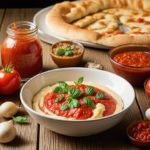
2. Heirloom Tomato & Basil Pizza
Ingredients:
- Wood-fired crust
- Slow-simmered tomato sauce from heirloom tomatoes
- Fresh basil leaves
- Locally produced buffalo mozzarella
- Olive oil and a touch of sea salt
Preparation: Use seasonal tomatoes at their peak, emphasizing freshness for unparalleled flavor.
The Science Behind Fresh, Locally Sourced Ingredients in Pizza
Impact on Flavor and Nutrition
Fresh ingredients retain their natural flavors and nutritional value, leading to superior taste and healthier pizzas. For example, ripe tomatoes used directly from local farms have higher levels of antioxidants, vitamins, and a richer flavor profile compared to those transported over long distances.
Understanding the Impact on Dough and Toppings
Local ingredients, such as freshly milled flour and seasonally available vegetables, influence not only the flavor but also the texture of the dough and toppings. For instance, locally sourced wheat can impact dough elasticity, while seasonal greens provide a crisp texture and vibrant color.
Economic and Environmental Benefits of Farm-to-Table Pizza
Supporting Local Economies
Using ingredients from nearby farms generates income for local farmers and stimulates regional food industries. It creates a vertical integration that benefits everyone and preserves local food traditions.
Reducing Carbon Footprint
Minimizing transportation distances reduces greenhouse gas emissions. Additionally, local farms often adopt eco-friendly practices, further lowering environmental impact. This sustainable approach aligns with global efforts to combat climate change.
Challenges in Integrating Farm-to-Table Principles into Pizza Making
Seasonality and Availability
One of the main hurdles is the dependence on seasonal produce. Chefs need to adapt recipes according to available ingredients, which may vary throughout the year, affecting menu consistency.
Cost Considerations
Locally sourced, high-quality ingredients may be more expensive than mass-produced alternatives, impacting the final price of the pizza. However, consumers willing to pay a premium often value quality over quantity.
Supply Chain Management
Establishing reliable relationships with local suppliers requires effort, coordination, and sometimes additional logistics. Pizzerias must balance quality, quantity, and timing to ensure the ingredients arrive fresh and on schedule.
Future Trends: Farm-to-Table and Pizza Innovation
Integration with Technology
Advancements in agricultural technologies and supply chain management will facilitate better coordination between farms and pizzerias, making locally sourced ingredients more accessible and affordable.
Emphasis on Organic and Biodynamic Farming
Growing awareness and demand for organic and biodynamic products will influence pizza toppings and dough ingredients, leading to richer flavors and healthier options.
Customization and Local Identity
Consumers increasingly seek personalized experiences tied to local culture, inspiring pizzerias to craft unique recipes rooted in regional culinary traditions while adhering to farm-to-table principles.
The farm-to-table movement profoundly influences modern pizza recipes, shifting the focus from standardized, globalized ingredients to localized, seasonal, and sustainable produce. This evolution enhances flavor, promotes environmental responsibility, and supports local economies, ultimately enriching the culinary experience. As awareness about sustainability and health continues to grow, the fusion of traditional craftsmanship with innovative culinary trends promises a vibrant future for pizzas around the world. From regional variations to innovative new toppings, the integration of farm-to-table principles signifies a delicious and conscientious shift in the art of pizza making, ensuring that every slice not only satisfies the palate but also aligns with modern values of ethical consumption and environmental stewardship.
Похожие записи:
 The Influence of Molecular Gastronomy on Modern Pizza Creations
  The Role of Local Ingredients in Regional Pizza Recipes: A Culinary Journey Across Cultures
  The Technological Innovations in Pizza Baking Techniques: Transforming Tradition into Modern Masterpieces
  The Influence of World Cuisines on Pizza Toppings: A Global Culinary Journey
  The Role of Technology in Pizza Delivery Innovations: Transforming the Culinary Experience
  The Future Trends Shaping the Evolution of Pizza
  Maltese Ftira with Local Flavors: A Delicious Twist on Traditional Pizza
  The Influence of Italian Immigrants on Global Pizza Culture
  The Fascinating History of the First Recorded Pizza Recipe: From Ancient Origins to Modern Delight
  Mastering Vegan and Vegetarian Pizza: Delicious Recipes and Culinary Inspiration
  The History of Pizza Advertising Campaigns: From Origins to Modern Strategies
  Japanese Okonomiyaki with Pizza-Like Toppings: A Fusion of Flavors and Culinary History
  The Cultural Adaptation of Pizza in Different Countries: A Global Culinary Journey
  The Evolution of Pizza Sauce Recipes Over Time: A Delicious Journey Through History
  Croatian Pizza with Mediterranean Influences: A Culinary Journey
  The Spread of Pizza in the United States During the Post-War Era: A Culinary Revolution