
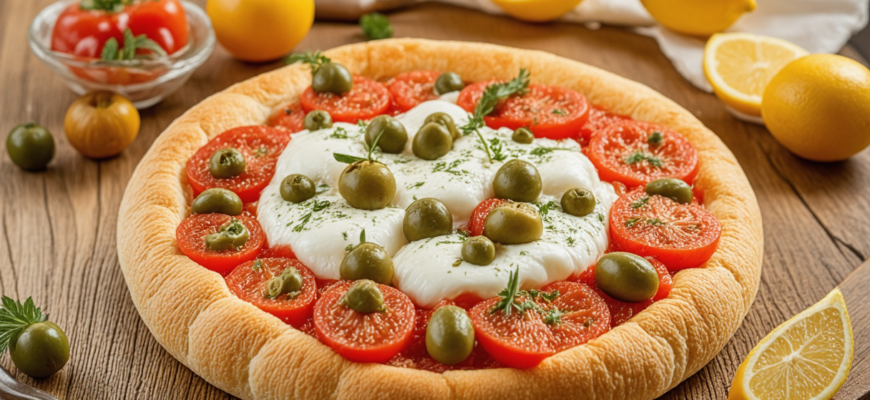
When exploring the rich culinary heritage of the Mediterranean, one dish stands out as a symbol of Maltese culture and communal dining—the ftira. This traditional Maltese bread, often topped with an array of local ingredients, is a culinary canvas that reflects the island’s vibrant flavors, history, and zest for life. In recent years, chefs and home cooks alike have begun experimenting by incorporating local ingredients into innovative versions of this iconic flatbread, blending tradition with modern tastes. This article delves deep into the history and significance of Maltese ftira, explores its traditional recipes, and offers creative ideas and recipes for preparing flavorful, locally inspired versions that tantalize the taste buds.
- What is Maltese Ftira? An Overview
- The Origins and Cultural Significance of Ftira
- Traditional Maltese Ftira: Ingredients and Preparation
- Classic Recipe for Maltese Ftira
- Preparation Steps
- The Heart of Maltese Ftira: Local Flavors and Ingredients
- Regional Variations and Popular Toppings
- Map of Traditional Toppings and Flavors with Descriptions
- Creative Approaches: Infusing Local Flavors into Modern Ftira Variations
- Innovative Recipes Combining Tradition with Modern Tastes
- 1. Mediterranean Ftira with Fresh Vegetables and Olive Tapenade
- 2. Seafood and Lemon Ftira
- 3. Spicy Maltese Ftira with Local Sausages
- Healthy and Vegetarian Options
- The Art of Baking Maltese Ftira: Techniques and Tips
- Achieving the Perfect Crust and Texture
- Garnishing and Serving Suggestions
- Health Benefits of Ingredients Used in Maltese Ftira
- The Nutritional Profile of Common Ingredients
- Celebrating Maltese Flavors Through Ftira
What is Maltese Ftira? An Overview
The Origins and Cultural Significance of Ftira
The ftira is a staple of Maltese cuisine, rooted in centuries of local tradition. Traditionally, it is a thick, round flatbread, resembling a rustic pizza or focaccia, baked in wood-fired ovens. The word “ftira” derives from the Italian “focaccia,” highlighting the historical ties between Malta and Italy. Historically, ftira was a communal food, prepared at local bakeries or bakery stalls, and served as a main meal, especially for workers and fishermen who needed energy-packed, nourishing bread.
Its popularity is anchored in its versatility: plain or topped, used for breakfast, lunch, or dinner, and often shared among family and friends. The simplicity of basic ingredients—flour, water, salt, and yeast—allows for endless customization, which is why the ftira has evolved over generations into a dish that beautifully marries tradition with local flavors.
Traditional Maltese Ftira: Ingredients and Preparation
Classic Recipe for Maltese Ftira
The traditional Maltese ftira involves few basic ingredients, yet yields a hearty, flavorful bread with a satisfying texture. Here’s a simple recipe to make a classic version:
| Ingredients | Quantity |
|---|---|
| All-purpose flour | 500 g |
| Warm water | 300 ml |
| Dry yeast | 7 g (1 packet) |
| Salt | 10 g |
| Olive oil | 2 tbsp |
Preparation Steps
- Activate the Yeast: Dissolve the yeast in warm water with a pinch of sugar, let it sit until frothy (~10 minutes).
- Mix the Dough: In a large bowl, combine flour and salt. Add the activated yeast mixture and olive oil. Stir until a dough forms.
- Knead the Dough: Transfer to a floured surface and knead for about 10 minutes until smooth and elastic.
- First Rise: Place the dough in a lightly oiled bowl, cover with a damp cloth, and let it rise in a warm place until doubled (~1-1.5 hours).
- Shape the Ftira: Punch down the dough, form into a round disc (~30 cm diameter), and place on a baking sheet lined with parchment.
- Second Rise: Cover and let rest for another 30 minutes.
- Baking: Preheat oven to 220°C (430°F). Bake the ftira until golden brown (~20-25 minutes).
The Heart of Maltese Ftira: Local Flavors and Ingredients
Regional Variations and Popular Toppings
The richness of Maltese cuisine shines through in the toppings and fillings used for ftira. While the basic bread remains constant, the toppings reveal the local palate, combining fresh produce, seafood, and traditional Maltese seasonings. Some of the most common and beloved ingredients include:
- Kappara (Maltese pepper): Adds a mild, sweet-spicy flavor.
- Anchovies and Seafood: Sardines, anchovies, and other fresh catches emphasize Malta’s maritime roots.
- Tomatoes and Onions: Local ripe tomatoes and sweet onions provide juicy, aromatic bases.
- Olives and Capers: Introduce salty, tangy notes.
- Fresh Herbs: Parsley, mint, and oregano brighten the flavors.
- Caperberries and Lemon: For a zesty finish.
Map of Traditional Toppings and Flavors with Descriptions
| Flavor Profile | Common Ingredients | Description |
|---|---|---|
| Seafood Delight | Sardines, anchovies, calamari | Fulfilling, briny, authentic maritime taste. |
| Vegetarian Freshness | Tomatoes, onions, bell peppers, herbs | Bright, healthy, and full of Mediterranean freshness. |
| Meaty Hearty | Local sausages, ham, or cured meats | Rich, savory, perfect for a filling meal. |
| Cheese and Herbs | Ricotta, mozzarella, fresh herbs | Creamy, aromatic, with a touch of Maltese tradition. |
Creative Approaches: Infusing Local Flavors into Modern Ftira Variations
Innovative Recipes Combining Tradition with Modern Tastes
Although the traditional Maltese ftira is a beloved classic, contemporary culinary creativity has opened the door for nouvelle takes on this humble dish. Chefs and home cooks experiment with diverse ingredients to cater to multicultural palates and dietary preferences, resulting in exciting, flavorful versions. Below are some innovative ideas:
1. Mediterranean Ftira with Fresh Vegetables and Olive Tapenade
- Base: Classic yeast dough
- Toppings: Grilled zucchini, eggplant, bell peppers
- Spread: Olive tapenade and fresh basil
- Finish: Drizzle of high-quality olive oil
2. Seafood and Lemon Ftira
- Base: Same as traditional dough
- Toppings: Marinated sardines, lemon slices, parsley, capers
- Additional: Light drizzle of lemon-infused olive oil
3. Spicy Maltese Ftira with Local Sausages
- Base: Yeast dough with added chili flakes
- Toppings: Maltese sausage slices, red onions, peppers
- Seasoning: Maltese capers, fresh herbs, hot sauce
Healthy and Vegetarian Options
In line with global health trends, vegetarian and even vegan versions of ftira are gaining popularity. These versions utilize plant-based ingredients while still capturing the essence of Maltese flavors:
- Use vegan cheese alternatives or omit cheese altogether.
- Incorporate a variety of roasted vegetables: artichokes, mushrooms, cherry tomatoes.
- Add nuts or seeds for texture and protein.
- Use fresh herbs and lemon juice for bright, zesty flavors complementing the vegetables.
The Art of Baking Maltese Ftira: Techniques and Tips
Achieving the Perfect Crust and Texture
Perfecting the traditional ftira requires attention to detail in dough preparation, baking temperature, and timing. Here are some expert tips:
- Use high-quality ingredients: Flour, olive oil, and fresh herbs significantly influence flavor.
- Proper kneading: Develop gluten structure for a chewy yet tender crust.
- Optimal rising: Allow enough time for the dough to double in size, ensuring a light texture.
- Baking at high temperature: 220-250°C to ensure a crispy crust and evenly cooked toppings.
- Wood-fired oven: If available, baking in a wood-fired oven adds authenticity and unique flavor notes.
Garnishing and Serving Suggestions
Once baked, ftira can be garnished with fresh herbs, a squeeze of lemon, or a drizzle of quality olive oil. Serve warm or at room temperature, accompanied by Maltese local wines or craft beers for an enhanced experience.
Health Benefits of Ingredients Used in Maltese Ftira
The Nutritional Profile of Common Ingredients
The ingredients used in Maltese ftira are not only flavorsome but also offer appreciable health benefits, including:
| Ingredient | Health Benefits |
|---|---|
| Olive oil | Rich in monounsaturated fats, antioxidants, heart health |
| Tomatoes | High in vitamins C and K, lycopene, anti-inflammatory properties |
| Seafood (sardines, anchovies) | Omega-3 fatty acids, high-quality protein, essential minerals |
| Fresh herbs | Antioxidants, anti-inflammatory compounds, digestion aid |
Celebrating Maltese Flavors Through Ftira
The Maltese ftira stands as a testament to the island’s long-standing culinary traditions, blending simple, authentic ingredients with the vibrant flavors of the Mediterranean. With its rich history and versatile nature, this dish continues to evolve, reflecting both the ancestral roots and contemporary innovations of Maltese cuisine. Whether enjoyed in its traditional form or reimagined with local flavors, ftira offers a delicious journey into Malta’s cultural tapestry—an edible celebration rooted in community, history, and the passion for good food.
Thus, exploring the world of Maltese ftira is not only a culinary adventure but also an immersive experience into the island’s soul. It embodies the spirit of Mediterranean hospitality and the enduring appeal of freshly baked bread paired with the best local ingredients. Whether preparing the classic recipe or creating your own flavorful concoctions, the Maltese ftira is sure to delight and inspire every food lover keen on discovering authentic and innovative tastes of Malta.
Похожие записи:
 Scandinavian Rye-Based Flatbread Pizzas: A Delicious Twist on Traditional Pizza
  South African Queen Pizza with Local Flavors: A Tasty Fusion of Tradition and Innovation
  Albanian Flia with Layered Fillings: A Delicious Twist on Traditional Pizzas
  Lebanese Manakish with Za’atar and Cheese: A Delicious Twist on Traditional Pizzas
  Swedish Spritz with Its Thin Crust and Savory Toppings: A Delicious Twist in Pizza Styles
  Discovering Czech Pizza: Delicious Variations and Traditional Toppings
  Brazilian Pizza with Unique Tropical Ingredients: A Delicious Fusion of Flavors
  Discover the Bold Flavors of Serbian Pizza with Spicy Sausage and Peppers
  Sicilian Pizza: A Delicious Dive into Thick, Square Slices and Its Rich History
  Croatian Pizza with Mediterranean Influences: A Culinary Journey
  Finnish Karjalanpiirakka with Its Regional Twist: A Delicious Journey Through History and Variations
  Calzone: The Folded Pizza from Italy – A Delicious Journey into Italian Cuisine
  Neapolitan Pizza: The Art of Authentic Preparation
  Japanese Okonomiyaki with Pizza-Like Toppings: A Fusion of Flavors and Culinary History
  Roman Pizza al Taglio and Its Rectangular Slices: A Deep Dive into Tradition, Technique, and Tastes
  Irish Potato Bread Topped with Smoked Salmon: A Delicious Fusion of Tradition and Elegance