
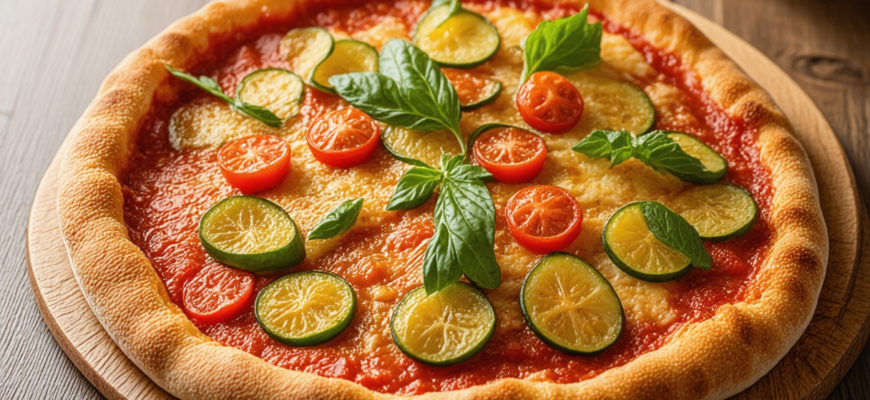
Pizza has long been a beloved dish around the world, celebrated for its versatility and rich flavors. While traditional recipes often feature meats and cheeses derived from animal products, the rise of plant-based diets has led to an increasing demand for vegan and vegetarian pizza options. Creating delicious, satisfying, and nutritionally balanced vegetarian or vegan pizzas requires understanding the ingredients, technique, and creative combinations that can elevate these dishes into culinary masterpieces. This article will explore the history of vegetarian and vegan pizzas, provide step-by-step recipes, tips for crafting perfect crusts, and strategies for balancing flavors and textures to satisfy every palate.
- The History of Vegetarian and Vegan Pizza
- Origins of Pizza and Its Adaptations
- The Shift Towards Vegan Pizza
- Essential Components of Vegan and Vegetarian Pizza
- 1. Crust
- 2. Sauce
- 3. Toppings
- 4. Cheese Options
- Step-by-Step Guide to Making Vegan and Vegetarian Pizza
- H3>1. Preparing the Dough
- 2. Preparing the Sauce
- 3. Selecting and Preparing Toppings
- 4. Assembly and Baking
- Creative Vegan and Vegetarian Pizza Recipes
- H3>1. Mediterranean Vegetable Pizza
- H3>2. Mushroom and Spinach White Pizza
- H3>3. Vegan Margherita Pizza
- H3>4. BBQ Jackfruit Vegan Pizza
- Nutrition and Balancing Flavors
- Balancing Taste and Texture
- Incorporating Nutrition
- Tips for Perfect Vegan and Vegetarian Pizzas
- Additional Ideas and Customizations
- Gluten-Free Options
- Innovative Toppings
- References
The History of Vegetarian and Vegan Pizza
Origins of Pizza and Its Adaptations
Pizza, originating from Naples in Italy, traditionally included ingredients like cheese, tomato sauce, and meats. Over time, regional and cultural variations emerged, reflecting local ingredients and dietary preferences. The vegetarian pizza movement began as a response to changing social attitudes and increased awareness of animal rights and health concerns. Initially, vegetarian pizzas used cheese and vegetables, but regional differences led to creative toppings and combinations.
The Shift Towards Vegan Pizza
More recent decades have seen the rise of vegan diets, prompting chefs and home cooks alike to develop plant-based alternatives to traditional pizza ingredients. The goal is to recreate the classic pizza experience without animal-derived products, using innovative substitutes such as vegan cheese, plant-based meats, and nutrient-rich toppings. This evolution is driven by health considerations, ethical beliefs, and environmental awareness, making vegan and vegetarian pizza options accessible, inclusive, and delicious for all.
Essential Components of Vegan and Vegetarian Pizza
1. Crust
The foundation of any great pizza is its crust. For vegan and vegetarian options, the crust must be flavorful, crispy on the outside, and soft inside. Common ingredients include wheat flour, water, yeast, salt, and a hint of olive oil. Variations include whole wheat, gluten-free, or cauliflower-based bases, tailored to dietary preferences and nutritional needs.
2. Sauce
The sauce provides the flavor backbone of the pizza. Classic options include tomato sauce, pesto, or white sauces such as almond cream or garlic-infused olive oil. For vegan pizzas, ensure sauces are free from dairy or animal-based ingredients. Spices and herbs like basil, oregano, garlic, and chili flakes enhance the flavor.
3. Toppings
Vegetarian toppings often include a wide variety of vegetables such as bell peppers, mushrooms, olives, onions, zucchini, and artichokes. Vegan toppings expand to include plant-based cheeses, vegan meats, legumes, and nuts. The key is balancing textures and flavors to create a harmonious dish.
4. Cheese Options
Traditional cheese, made from dairy, is replaced with vegan cheese alternatives derived from nuts, soy, or coconut oil. These cheeses melt, stretch, and flavor similarly, making the pizza authentic in texture and taste. The selection depends on personal preferences and dietary restrictions.
Step-by-Step Guide to Making Vegan and Vegetarian Pizza
H3>1. Preparing the Dough
- In a large bowl, combine 500 grams of flour (preferably bread flour for elasticity) with 7 grams of dry yeast and a pinch of salt.
- Add 300 ml of warm water and 2 tablespoons of olive oil.
- Mix ingredients until a dough forms, then knead on a floured surface for about 10 minutes until the dough is smooth and elastic.
- Cover with a damp cloth and let rise in a warm place for 1–1.5 hours, or until it doubles in size.
2. Preparing the Sauce
For a classic tomato sauce:
- In a saucepan, heat 2 tablespoons of olive oil over medium heat.
- Add 3 minced garlic cloves and sauté until fragrant.
- Add 400 grams crushed tomatoes, 1 teaspoon dried oregano, 1 teaspoon basil, salt, and pepper to taste.
- Simmer for 15–20 minutes to develop rich flavors.
3. Selecting and Preparing Toppings
- Slice vegetables thinly for even cooking: peppers, onions, zucchini, mushrooms, etc.
- For vegan cheese, options include shredded vegan mozzarella or homemade nut-based cheese.
- Prepare plant-based proteins such as marinated tofu, tempeh, or vegan sausage slices.
4. Assembly and Baking
- Preheat oven to 220°C (430°F).
- Punch down the dough and roll out on a floured surface to your desired pizza size.
- Transfer to a baking sheet or pizza stone.
- Spread a layer of sauce evenly over the dough.
- Sprinkle or arrange toppings generously—layering vegetables and vegan cheese evenly.
- Bake for 12–15 minutes or until the crust is golden and cheese is melted (or toppings are cooked through).
Creative Vegan and Vegetarian Pizza Recipes
H3>1. Mediterranean Vegetable Pizza
This colorful pizza features roasted bell peppers, eggplant, artichoke hearts, black olives, and vegan feta cheese. Top with fresh basil and a drizzle of balsamic glaze for added flavor. Perfect for those seeking vibrant, healthy options.
H3>2. Mushroom and Spinach White Pizza
A white base with garlic, vegan mozzarella, sautéed mushrooms, and fresh spinach. Finish with a sprinkle of nutritional yeast for a cheesy flavor.
H3>3. Vegan Margherita Pizza
- Crust, tomato sauce, vegan mozzarella, fresh basil leaves, and a drizzle of olive oil.
- Simple, elegant, and rich in flavor—a perfect option for traditionalists and newcomers alike.
H3>4. BBQ Jackfruit Vegan Pizza
Use shredded jackfruit cooked in barbecue sauce as a meat substitute, topped with vegan cheese, red onion slices, and cilantro. Offers a smoky, hearty flavor experience.
Nutrition and Balancing Flavors
Balancing Taste and Texture
Developing a satisfying vegan or vegetarian pizza hinges on balancing savory, sweet, sour, and bitter flavors. In addition, diverse textures such as crispy crust, tender vegetables, and gooey cheese enhance enjoyment. Texture contrast keeps each bite interesting and appetizing.
Incorporating Nutrition
To ensure nutritional value, include a variety of colorful vegetables rich in vitamins and minerals. Adding plant-based proteins such as beans, lentils, or tofu boosts protein content. Whole grain crusts increase fiber intake, supporting digestion and overall health.
Tips for Perfect Vegan and Vegetarian Pizzas
- Use high-quality ingredients: Fresh vegetables, good-quality vegan cheese, and flavorful sauces make a difference.
- Don’t overload toppings: Too many toppings can lead to soggy crust; balance is key.
- Pre-cook dense vegetables: Roasting mushrooms or peppers enhances flavor and reduces moisture content.
- Experiment with herbs and spices: Basil, oregano, thyme, and chili flakes add depth to flavor.
- Optimize baking temperature: High heat ensures crispy crust and well-cooked toppings.
Additional Ideas and Customizations
Gluten-Free Options
Use cauliflower, chickpea flour, or gluten-free bread bases to cater to gluten sensitivities. These alternatives can be prepared similarly to traditional dough, with adjusted cooking times.
Innovative Toppings
- Nuts and seeds for added crunch.
- Fermented vegetables like sauerkraut for tangy flavor.
- Fruit slices such as pineapple or figs for sweetness.
Creating vegan and vegetarian pizzas that are flavorful, satisfying, and visually appealing is both an art and a science. By understanding the core components—dough, sauce, toppings, and cheese—and experimenting with creative combinations, cooks can craft a wide array of dishes suitable for diverse dietary preferences. With proper techniques, high-quality ingredients, and a dash of culinary imagination, vegan and vegetarian pizzas can rival their traditional counterparts in taste and enjoyment, offering a nutritious and inclusive alternative for every pizza lover. Whether for health reasons, ethical concerns, or culinary exploration, plant-based pizzas open a world of possibilities that celebrate the rich tapestry of flavors and textures in modern cuisine.
References
- History of Pizza — FoodTimeline.org
- Plant-Based Cooking: Tips and Recipes — VeganSociety.org
- Nutrition Facts and Benefits of Vegetarian and Vegan Diets — HealthLine.com
Похожие записи:
 The Rise of Gluten-Free and Vegan Pizza Options: A Delicious Revolution
  The Journey of Creating Vegan Cheese for Pizza: From Concept to Slice
  The Evolution of Pizza Sauce Recipes Over Time: A Delicious Journey Through History
  The Role of Local Ingredients in Regional Pizza Recipes: A Culinary Journey Across Cultures
  Mastering Pizza Transfers: How Parchment Paper Simplifies Your Cooking Process
  Mastering Restaurant-Quality Pizzas at Home: The Ultimate Guide to Using a Pizza Stone
  Mastering Oven Temperatures: The Key to Perfect Baking Every Time
  The Influence of World Cuisines on Pizza Toppings: A Global Culinary Journey
  The Rise of Healthy and Alternative Pizza Options: A Delicious Revolution
  Croatian Pizza with Mediterranean Influences: A Culinary Journey
  The Cultural Adaptation of Pizza in Different Countries: A Global Culinary Journey
  Ultimate Guide: Tips for Cooking Different Styles of Pizza at Home
  Japanese Okonomiyaki with Pizza-Like Toppings: A Fusion of Flavors and Culinary History
  The Evolution of New York Thin-Crust Pizza: A Culinary Heritage of Flavor and Tradition
  Scandinavian Rye-Based Flatbread Pizzas: A Delicious Twist on Traditional Pizza
  Maltese Ftira with Local Flavors: A Delicious Twist on Traditional Pizza