
When it comes to crafting the perfect pizza, the choice of ingredients plays a significant role in elevating the culinary experience. While high-quality dough and premium toppings form the foundation, herbs and spices are the secret weapons that transform a simple slice into a sensory masterpiece. This comprehensive guide explores the world of herbs and spices, their historical significance, and practical tips on how to incorporate them into pizza recipes for enhanced flavor profiles.
- Understanding the Role of Herbs and Spices in Culinary Arts
- What Are Herbs and Spices?
- The Science Behind Flavor Enhancement
- A Brief History of Herbs and Spices in Pizza Making
- Origins and Evolution
- Modern Trends
- Popular Herbs and Spices for Pizza: An In-Depth Look
- Practical Tips for Incorporating Herbs and Spices into Pizza
- Choosing the Right Herbs and Spices
- Best Practices for Use
- Flavor Pairings and Combinations
- Creative Recipes Incorporating Herbs and Spices
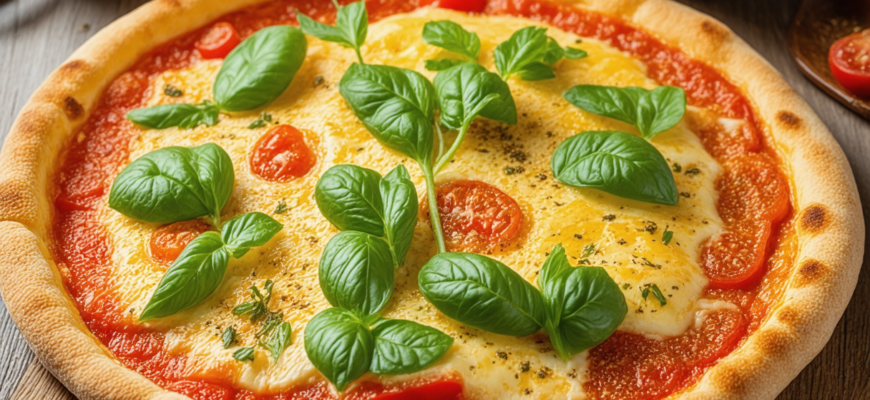
- Margherita Pizza with Fresh Basil and Oregano
- Ingredients:
- Preparation Steps:
- Spicy Pepperoni and Chili Flake Pizza
- Ingredients:
- Preparation Steps:
- Health Benefits of Herbs and Spices in Pizza
- Antioxidant and Anti-Inflammatory Properties
- Weight Management and Digestive Health
- Elevate Your Pizza with Herbs and Spices
- Final Tips for Pizza Enthusiasts
Understanding the Role of Herbs and Spices in Culinary Arts
What Are Herbs and Spices?
In culinary terminology, herbs typically refer to the leaves of aromatic plants that are used fresh or dried to flavor dishes. Examples include basil, oregano, thyme, and parsley. Conversely, spices originate from other plant parts such as seeds, bark, roots, or fruits, and are often used dried or ground. Common spices include black pepper, cumin, cinnamon, and paprika.
The Science Behind Flavor Enhancement
Herbs and spices contain a variety of bioactive compounds responsible for their distinctive flavors and aromas. These compounds interact with the taste buds and olfactory receptors, creating complex flavor layers. When properly combined, herbs and spices can:
- Enhance the natural flavors of other ingredients
- Reduce the need for excess salt or sugar
- Create unique and memorable flavor profiles
- Offer potential health benefits due to their antioxidant and anti-inflammatory properties
A Brief History of Herbs and Spices in Pizza Making
Origins and Evolution
The use of herbs and spices in pizza has a rich history rooted in traditional Italian cuisine. Ancient Mediterranean civilizations, including the Romans and Greeks, utilized herbs like oregano, basil, and rosemary to flavor their dishes. The spread of tomato and cheese-based recipes in Southern Italy marked a turning point, integrating native herbs to craft regional specialties.
Modern Trends
Today, the culinary world embraces a global influence, incorporating herbs and spices from diverse cultures to create innovative pizza recipes. From Indian-inspired toppings with cumin and coriander to Mediterranean blends featuring oregano and thyme, the flavor possibilities are endless. The resurgence of artisanal and gourmet pizzas highlights the importance of herbs and spices in elevating quality and taste.
Popular Herbs and Spices for Pizza: An In-Depth Look
| Herb or Spice | Flavor Profile | Common Uses in Pizza | Notes |
|---|---|---|---|
| Basil | Sweet, aromatic, slightly peppery | Fresh leaves on Margherita, pesto flavor | Best added fresh or at the end of cooking |
| Oregano | Pungent, earthy, slightly bitter | Sprinkled over tomato sauces, meats, cheeses | Use dried for concentrated flavor |
| Thyme | Herbaceous, minty, lemony notes | Complementing roasted vegetables and meats | Fresh or dried; adds depth |
| Rosemary | Pine-like, woody aroma | Infused into dough, added to sausage toppings | Used sparingly due to intense flavor |
| Red Pepper Flakes | Spicy, pungent | For a heat kick on various toppings | Adjust to taste; common in contemporary recipes |
| Cumin | Warm, earthy, slightly nutty | Indian or Middle Eastern-inspired toppings | Best used sparingly to avoid overpowering |
| Paprika | Sweet, smoky, or hot depending on variety | Coloring and flavor enhancement | Often used in spice blends |
| Cinnamon | Sweet, pungent, warm | Occasional addition to spicy or sweet toppings | Use minimal quantities for subtlety |
Practical Tips for Incorporating Herbs and Spices into Pizza
Choosing the Right Herbs and Spices
Start with high-quality, fresh herbs whenever possible since they deliver vibrant flavors. Dried herbs are more concentrated and should be used in smaller quantities. When selecting spices, opt for whole or freshly ground varieties for maximum aroma and flavor. Consider the overall theme of the pizza—Mediterranean, spicy, savory, or sweet—and select herbs and spices accordingly.
Best Practices for Use
- Timing Matters: Fresh herbs like basil should be added after baking to preserve their flavor and color. Dried herbs can be incorporated into the sauce during cooking. Spices like cumin or paprika can be added during sauce preparation or sprinkled atop before baking.
- Layering Flavors: Build complex profiles by adding herbs and spices at multiple stages. For example, mix oregano and thyme into the tomato sauce, then garnish with fresh basil after baking.
- Balance and Moderation: Avoid overwhelming the pizza with too many herbs or spices. Start with small amounts and taste as you go.
- Experimentation: Combine herbs and spices to create signature blends tailored to specific recipes or regional styles.
Flavor Pairings and Combinations
Here are some popular pairings to inspire your pizza-making:
- Classic Italian: Basil, oregano, thyme, garlic, olive oil
- Spicy and Robust: Red pepper flakes, cumin, paprika, black pepper
- Mediterranean: Rosemary, oregano, mint, lemon zest
- Sweet and Spicy: Cinnamon, nutmeg, chili flakes, honey drizzle
Creative Recipes Incorporating Herbs and Spices
Margherita Pizza with Fresh Basil and Oregano
A timeless classic that showcases the freshness of basil paired with the earthy aroma of oregano. The simplicity accentuates the quality of each ingredient.
Ingredients:
- Pizza dough
- Tomato sauce
- Fresh mozzarella cheese
- Fresh basil leaves
- Dried oregano
- Olive oil
- Salt and pepper
Preparation Steps:
- Spread the tomato sauce over the rolled dough.
- Arrange slices of mozzarella evenly on top.
- Sprinkle dried oregano and a pinch of salt and pepper.
- Bake in a preheated oven at 250°C (482°F) until crust is golden and cheese is bubbly.
- Once out of the oven, garnish generously with fresh basil leaves and drizzle with olive oil.
Spicy Pepperoni and Chili Flake Pizza
For those who enjoy a fiery kick, incorporating red pepper flakes and spicy salami enhances heat and flavor complexity.
Ingredients:
- Pizza dough
- Tomato sauce
- Shredded mozzarella cheese
- Chili flakes
- Spicy pepperoni
- Oregano
- Olive oil
Preparation Steps:
- Spread sauce over dough, sprinkle oregano.
- Add mozzarella and distribute pepperoni evenly.
- Sprinkle red chili flakes over toppings.
- Bake at high temperature until crust is crisp.
- Finish with a drizzle of olive oil and extra chili flakes for heat.
Health Benefits of Herbs and Spices in Pizza
Antioxidant and Anti-Inflammatory Properties
Many herbs and spices contain compounds that help combat oxidative stress and reduce inflammation in the body. For instance,
basil and oregano are rich in flavonoids and phenolic acids, which have antioxidant effects. Cinnamon is known for its ability to regulate blood sugar levels and improve insulin sensitivity. Incorporating these into pizza not only enhances flavor but also offers potential health benefits.
Weight Management and Digestive Health
Spices like cumin and coriander can aid digestion and promote satiety, supporting weight management. Individually or combined, they contribute to a balanced diet without excess calories or unnaturally added flavors.
Elevate Your Pizza with Herbs and Spices
Incorporating herbs and spices into pizza recipes unlocks a world of flavor possibilities that can cater to any taste preference. Whether preserving the traditional essence or experimenting with global influences, understanding the characteristics and optimal use of these ingredients allows aspiring chefs and home cooks alike to craft truly unforgettable pizzas. The marriage of high-quality toppings with thoughtfully selected herbs and spices results in culinary harmony, delighting the palate with every bite.
Final Tips for Pizza Enthusiasts
- Always source fresh herbs when possible for maximum flavor.
- Use dried spices in moderation; too much can overpower other ingredients.
- Experiment with flavor combinations to discover new favorite recipes.
- Adjust herbs and spices based on personal taste and dietary needs.
- Start with small quantities and taste as you go for perfect balance.
By mastering the art of herb and spice incorporation, pizza lovers can transform simple recipes into culinary masterpieces that impress friends and family alike. Whether crafted for casual dinners or gourmet entertainments, the thoughtful use of herbs and spices ensures every pizza is a flavor-filled adventure.
Похожие записи:
 Armenian Lahmajoon with Spicy Meat Topping: A Delicious Taste of Tradition
  The Evolution of New York Thin-Crust Pizza: A Culinary Heritage of Flavor and Tradition
  Discovering Azerbaijani Khachapuri Variations: A Regional Culinary Journey
  The Evolution of Pizza Sauce Recipes Over Time: A Delicious Journey Through History
  Japanese Okonomiyaki with Pizza-Like Toppings: A Fusion of Flavors and Culinary History
  Croatian Pizza with Mediterranean Influences: A Culinary Journey
  The Cultural Adaptation of Pizza in Different Countries: A Global Culinary Journey
  Discover the Bold Flavors of Serbian Pizza with Spicy Sausage and Peppers
  The Influence of World Cuisines on Pizza Toppings: A Global Culinary Journey
  South African Queen Pizza with Local Flavors: A Tasty Fusion of Tradition and Innovation
  Maltese Ftira with Local Flavors: A Delicious Twist on Traditional Pizza
  Brazilian Pizza with Unique Tropical Ingredients: A Delicious Fusion of Flavors
  Calzone: The Folded Pizza from Italy – A Delicious Journey into Italian Cuisine
  Discovering Czech Pizza: Delicious Variations and Traditional Toppings
  The Role of Local Ingredients in Regional Pizza Recipes: A Culinary Journey Across Cultures
  Albanian Flia with Layered Fillings: A Delicious Twist on Traditional Pizzas