
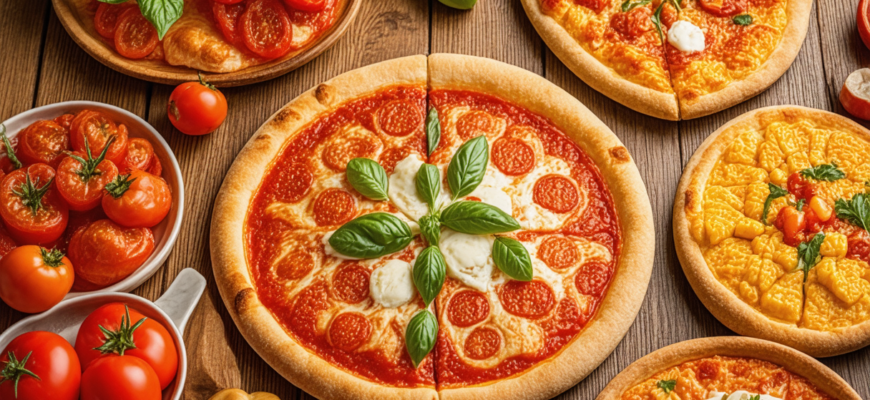
Pizza, one of the most beloved dishes worldwide, carries within its crust and toppings a rich history that reflects local flavors, ingredients, and culinary traditions. While the classic Italian Margherita embodies simplicity and elegance, regional variations of pizza showcase the diversity of local produce and cultural influences. Understanding the significance of regional ingredients in pizza recipes allows for a deeper appreciation of how geography, climate, and local agriculture shape this iconic dish. This article explores the vital role of regional ingredients in forming authentic pizza recipes across different parts of the world, illustrating how local flavors are woven into this global culinary fabric.
- The Global Canvas of Pizza
- The Significance of Local Ingredients in Pizza Making
- Key Categories of Regional Ingredients in Pizza
- Regional Variations of Pizza and Their Local Ingredients
- 1. Italian Neapolitan Pizza: Simplicity Rooted in Local Ingredients
- 2. Chicago Deep-Dish Pizza: Embracing Heartier Local Staples
- 3. Mexican Tlayuda: An Indigenous Spin
- 4. Japanese Pizza: Incorporating Unique Regional Ingredients
- Impact of Climate and Geography on Local Ingredients for Pizza
- Climatic Conditions Shape Agriculture
- Geography Influences Ingredient Availability
- The symbiosis of regional ingredients and culinary identity
- Challenges and Opportunities in Using Local Ingredients
- Challenges
- Opportunities
- Celebrating Diversity Through Regional Ingredients
- References & Further Reading
The Global Canvas of Pizza
Originally from Naples, Italy, pizza has transcended borders to become a universal comfort food. However, beneath its global popularity lies a tapestry of regional adaptations. Each locale employs ingredients that are native or readily available, resulting in unique flavor profiles and styles. From thin-crust Neapolitan pizza to thick-based Chicago-style deep-dish, regional ingredients define the taste and character of each variant.
The Significance of Local Ingredients in Pizza Making
Regional ingredients influence pizza not only in flavor but also in texture, appearance, and cultural symbolism. Use of local produce, cheeses, meats, and herbs helps preserve culinary traditions and supports regional economies. Moreover, local ingredients often reflect ecological and climatic conditions, leading to the development of distinct regional tastes. The incorporation of native ingredients provides an authentic experience and pays homage to local heritage.
Key Categories of Regional Ingredients in Pizza
| Category | Examples | Significance |
|---|---|---|
| Cheeses | Buffalo mozzarella (Italy), Ricotta (Italy), Queso Blanco (South America), Oaxaca cheese (Mexico) | Defines creamy, tangy or mild flavor profiles; regional dairy traditions shape cheese choices |
| Vegetables & Herbs | Tomatoes (Italy, Spain), Basil (Italy), Peppers (Hungary), Olives (Greece) | Add freshness and aromatic qualities; reflect local agriculture and flavor preferences |
| Meats & Seafood | Sausages (Italy), Ham (Spain), Anchovies (Mediterranean), Crab (East Coast USA) | Contribute savory depth; local meats and seafood are integral in coastal and inland regions |
| Grains & Crusts | Caputo flour (Italy), Cornmeal (Southern USA), Whole wheat (Germany) | Impact texture and flavor; local grain cultivation influences crust types |
Regional Variations of Pizza and Their Local Ingredients
1. Italian Neapolitan Pizza: Simplicity Rooted in Local Ingredients
Neapolitan pizza exemplifies minimalism, emphasizing high-quality local ingredients. Key components include:
- Tomatoes: Fresh San Marzano tomatoes, cultivated in volcanic soil, provide the signature sweet and tangy flavor.
- Cheese: Buffalo mozzarella from Campania offers creamy richness.
- Olive Oil: Extra virgin olive oil from local groves enhances flavor.
- Herbs: Fresh basil leaves, symbolizing Italian tradition.
The combination of these ingredients yields a pizza with a delicate balance of flavors that highlight Italy’s culinary heritage and agricultural richness.
2. Chicago Deep-Dish Pizza: Embracing Heartier Local Staples
Unlike Italian classics, Chicago deep-dish pizza is characterized by a thick crust and generous toppings. Its ingredients reflect regional staples:
- Crust: Made from enriched dough with cornmeal, adding texture.
- Tomato Sauce: Chunky, seasoned with local herbs like oregano and thyme.
- Cheese: A blend of mozzarella and provolone sourced from Midwestern dairies.
- Meats: Italian sausage, local to Illinois, and sometimes beef or pork.
This hearty style emphasizes local meat and grain production, embodying Chicago’s food culture.
3. Mexican Tlayuda: An Indigenous Spin
The traditional Mexican Tlayuda resembles a large, thin crust pizza, utilizing regional ingredients such as:
- Maize (Corn): Nixtamalized to produce the base, reflecting indigenous farming practices.
- Cheese: Queso Oaxaca, a stringy cheese from regional dairy traditions.
- Legumes & Vegetables: Salsa, beans, avocado, and local herbs like cilantro.
- Meats: Chorizo or tasajo (dried beef), adding robust flavors.
All ingredients are integral to Mexican culinary identity and showcase native agriculture.
4. Japanese Pizza: Incorporating Unique Regional Ingredients
Japanese adaptations of pizza often include local ingredients such as:
- Seafood: Shrimp, squid, or octopus sourced from regional waters.
- Vegetables: Lotus root, scallions, and seaweed.
- Cheese: Less common; when used, it’s often local or imported varieties like mozzarella.
This fusion demonstrates how regional ingredients and culinary culture influence pizza styles beyond traditional boundaries.
Impact of Climate and Geography on Local Ingredients for Pizza
Climatic Conditions Shape Agriculture
The climate of a region determines what can be cultivated effectively, directly impacting the ingredients available for pizza. For instance:
- Mediterranean climates: Favor tomatoes, olives, and herbs, shaping traditional Italian and Greek pizzas.
- Temperate zones: Support dairy farming and grain cultivation, ideal for cheeses and crusts.
- Coastal areas: Abundant seafood leads to seafood-topped pizzas in regions like the Mediterranean and East Coast USA.
Geography Influences Ingredient Availability
Mountains, plains, and seas create diverse ecosystems that produce distinctive ingredients:
- Mountain regions: Rich in dairy products like cheese and milk.
- Coastal regions: Access to fresh seafood and seaweed.
- Plains and river valleys: Fertile lands for vegetables, grains, and fruits.
The symbiosis of regional ingredients and culinary identity
Using ingredients native or traditional to a region does more than enhance flavor; it preserves culinary history and cultural identity. This symbiosis fosters:
- Authenticity: Ensuring the dish remains true to its roots.
- Sustainability: Supporting local farmers and ecosystems.
- Unique flavors: Differentiating regional pizzas from one another.
- Cultural pride: Celebrating regional produce and techniques.
Challenges and Opportunities in Using Local Ingredients
Challenges
- Seasonality and availability may limit ingredient use.
- Supply chain issues can impact freshness and consistency.
- Higher costs for specialized local products.
Opportunities
- Fostering innovation through regional ingredient combinations.
- Encouraging farm-to-table movements.
- Promoting sustainable and eco-friendly practices.
- Preserving and celebrating regional cultures through cuisine.
Celebrating Diversity Through Regional Ingredients
Regional ingredients form the backbone of authentic pizza recipes worldwide. They tell stories of history, climate, and culture through their flavors and textures. Recognizing the significance of local produce enriches the culinary experience, fostering appreciation for diverse traditions and supporting sustainable practices. From the vibrant tomatoes of Italy to the abundant seafood of Japan, regional ingredients ensure that pizza remains a dynamic and culturally rich dish. Embracing local flavors not only preserves culinary heritage but also paves the way for innovation and sustainability in the modern food landscape.
References & Further Reading
- Smith, J. (2018). The Culinary History of Mediterranean Pizza. Food & Culture Press.
- Brown, L. (2020). Global Variations of Pizza and Their Indigenous Ingredients. Culinary World Publishing.
- Regional Agriculture Reports. (2021). USDA.
- European Food Sustainability Initiatives. (2022). EU Commission.
Похожие записи:
 The Influence of World Cuisines on Pizza Toppings: A Global Culinary Journey
  Croatian Pizza with Mediterranean Influences: A Culinary Journey
  Discovering Azerbaijani Khachapuri Variations: A Regional Culinary Journey
  The Role of Technology in Pizza Delivery Innovations: Transforming the Culinary Experience
  Maltese Ftira with Local Flavors: A Delicious Twist on Traditional Pizza
  South African Queen Pizza with Local Flavors: A Tasty Fusion of Tradition and Innovation
  Brazilian Pizza with Unique Tropical Ingredients: A Delicious Fusion of Flavors
  Finnish Karjalanpiirakka with Its Regional Twist: A Delicious Journey Through History and Variations
  The Fascinating Journey of Pizza Chains and Their Worldwide Growth
  The Evolution of New York Thin-Crust Pizza: A Culinary Heritage of Flavor and Tradition
  The Influence of Italian Immigrants on Global Pizza Culture
  The Journey of Creating Vegan Cheese for Pizza: From Concept to Slice
  Calzone: The Folded Pizza from Italy – A Delicious Journey into Italian Cuisine
  Japanese Okonomiyaki with Pizza-Like Toppings: A Fusion of Flavors and Culinary History
  The Rise of American-Style Pizza in the 20th Century: A Delicious Cultural Transformation
  Mexican Tlayuda and Its Rustic Toppings: A Deep Dive into a Unique Culinary Tradition