
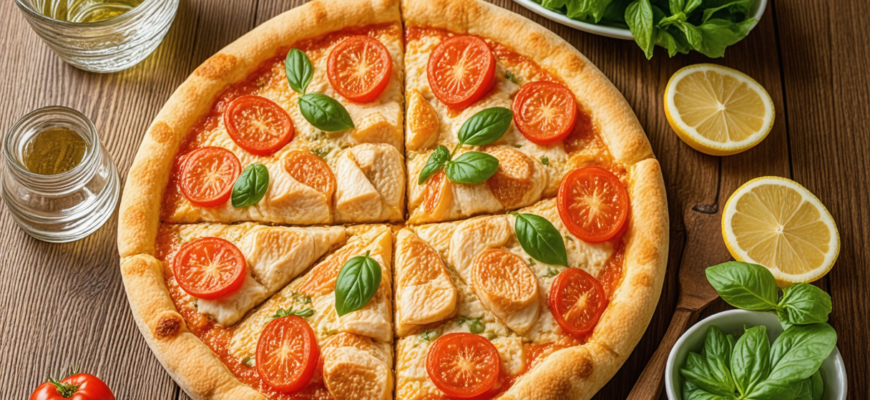
Pizza, one of the world’s most beloved dishes, offers endless possibilities for customization and flavor combinations. While traditionally associated with indulgence, pizza can also be a balanced and nutritious meal when prepared thoughtfully. The key to such an approach lies in understanding and balancing the three primary macronutrients: carbohydrates, proteins, and fats. In this comprehensive guide, explore how to craft homemade pizza recipes that not only satisfy cravings but also promote health and well-being through proper macronutrient distribution.
- Introduction to Macronutrients and Their Role in Nutrition
- What Are Macronutrients?
- Why Balance Is Important in Pizza
- Understanding the Macronutrient Content in Classic Pizza Components
- 1. Pizza Dough (Crust)
- 2. Cheese (Toppings)
- 3. Meat and Vegetables
- Strategies for Achieving a Balanced Macro Profile in Pizza
- 1. Adjusting the Crust Composition
- 2. Incorporating Protein-Rich Toppings
- 3. Using Healthy Fats
- 4. Vegetables as a Nutritional Backbone
- Formulating a Balanced Homemade Pizza Recipe: Step-by-Step
- Step 1: Establishing a Macronutrient Goal
- Step 2: Selecting Ingredients
- Step 3: Preparing the Dough
- Step 4: Topping and Baking
- Sample Macro Breakdown for a Healthy Homemade Pizza
- Additional Tips for Perfectly Balanced Homemade Pizza
- Use Fresh and Quality Ingredients
- Portion Control
- Experiment with Different Fats
- Balance Flavors and Textures
- How to Make Nutritious, Balanced Homemade Pizza
- References and Further Reading
Introduction to Macronutrients and Their Role in Nutrition
What Are Macronutrients?
Macronutrients are the nutrients required by the body in large amounts to provide energy for daily activities, growth, and cellular functions. They include:
- Carbohydrates
- Proteins
- Fats
Each macronutrient plays a unique role and contributes differently to overall health. An optimal diet balances these nutrients based on individual needs, activity levels, and health goals.
Why Balance Is Important in Pizza
Most traditional pizza recipes tend to be rich in carbohydrates (from the crust) and fats (from cheese and oils), often lacking in sufficient protein. An unbalanced pizza, while tasty, can lead to energy spikes, sluggishness, and nutritional deficiencies if consumed frequently without variation. Balancing macronutrients in homemade pizza ensures sustained energy, muscle repair, and overall wellness.
Understanding the Macronutrient Content in Classic Pizza Components
1. Pizza Dough (Crust)
The foundation of any pizza, the dough, is primarily rich in carbohydrates. The standard ingredients—flour, water, yeast, and salt—compose a carb-dense base. The macronutrient breakdown depends on the type of flour used.
| Ingredient | Carbohydrates (per 100g) | Proteins (per 100g) | Fats (per 100g) |
|---|---|---|---|
| White wheat flour | 76g | 10g | 1g |
| Whole grain flour | 70g | 13g | 3g |
Note: Choosing whole grain flour adds dietary fiber and slightly different macronutrient proportions, influencing overall nutritional balance.
2. Cheese (Toppings)
Cheese, especially mozzarella, provides primarily fats and proteins, with minimal carbohydrates. The typical serving offers about:
- Fats: 22g per 100g
- Proteins: 25g per 100g
- Carbohydrates: 2g per 100g
3. Meat and Vegetables
Adding meats like ham, pepperoni, or grilled chicken boosts protein content, while vegetables add micronutrients, fiber, and minimal calories. For example:
- Cooked chicken breast (per 100g): 31g protein, 3.6g fat, 0g carbohydrates
- Bell peppers (per 100g): 0.9g protein, 0.2g fat, 6g carbohydrates
Strategies for Achieving a Balanced Macro Profile in Pizza
1. Adjusting the Crust Composition
Changing the dough recipe can significantly influence the macronutrient balance. Consider these options:
- Use whole grain or vegetable-enriched flours: Increase fiber and protein content.
- Incorporate alternative flours: Almond flour or chickpea flour can reduce the glycemic index and provide healthy fats and proteins.
- Reduce carbohydrate density: Blend traditional flour with high-protein flours for a more balanced base.
2. Incorporating Protein-Rich Toppings
Boosting protein content involves adding toppings such as:
- Grilled chicken or turkey breast
- Seafood (shrimp, tuna)
- Lean beef or turkey slices
- Plant-based protein sources like tofu or tempeh
Choose toppings that complement the flavor profile while enhancing nutritional value.
3. Using Healthy Fats
Opt for fats that support cardiovascular and overall health:
- Olive oil: Rich in monounsaturated fats, ideal for drizzling over the pizza or mixing into dough.
- Nuts and seeds: Sprinkle flaxseeds, chia seeds, or crushed walnuts for added omega-3 fatty acids.
- Feeding the cheese: Use moderate amounts of cheese or choose varieties with lower fat content.
4. Vegetables as a Nutritional Backbone
Vegetables should constitute a substantial portion of the toppings, contributing fiber, vitamins, and minerals with minimal calories. Consider:
- Spinach, arugula, basil
- Broccoli, zucchini, eggplant
- Tomatoes, peppers, mushrooms
Formulating a Balanced Homemade Pizza Recipe: Step-by-Step
Step 1: Establishing a Macronutrient Goal
Based on individual needs, define desired macronutrient ratios. For example, a common balanced target could be:
- Carbohydrates: 45-50%
- Proteins: 20-25%
- Fats: 25-30%
Calculate total calorie intake and distribute accordingly. For a 600-calorie pizza, approximate macros would be:
- Carbohydrates: 270–300 kcal (~67–75g)
- Proteins: 120–150 kcal (~30–38g)
- Fats: 150–180 kcal (~17–20g)
Step 2: Selecting Ingredients
Choose ingredients aligning with your macro goals. Example selections:
- Crust: Whole wheat flour + almond flour blend
- Protein: Grilled chicken or seafood
- Fats: Moderate cheese + olive oil
- Vegetables: Mix of spinach, peppers, onions
Step 3: Preparing the Dough
Recipe example for a healthier crust:
Ingredients:
- 100g whole wheat flour
- 50g almond flour
- 1 tsp yeast
- 1 tbsp olive oil
- 100ml warm water
- Pinch of salt

Preparation:
1. Activate yeast with warm water and a pinch of sugar.
2. Mix flours, salt, and olive oil.
3. Combine with activated yeast and knead until smooth.
4. Let rise until doubled in size (~1 hour).
5. Roll out into desired shape.
Step 4: Topping and Baking
- Spread tomato sauce or pureed vegetables evenly over the crust.
- Add protein sources and vegetables.
- Sprinkle cheese or use less cheese for lower fat content.
- Drizzle with olive oil or herbs for flavor.
- Bake at 220°C (430°F) for 12-15 minutes until crust is golden and toppings are cooked.
Sample Macro Breakdown for a Healthy Homemade Pizza
| Component | Quantity | Calories | Carbohydrates | Proteins | Fats |
|---|---|---|---|---|---|
| Dough | 150g | 390 | 57g | 12g | 5g |
| Chicken (50g) | 50g | 82 | 0g | 15.5g | 1.8g |
| Cheese (30g) | 30g | 90 | 0.6g | 7.5g | 6.6g |
| Vegetables (100g) | 100g | 40 | 6g | 2g | 0.2g |
Total: ~602 calories, with a balanced distribution of carbs, proteins, and fats based on your target ratios.
Additional Tips for Perfectly Balanced Homemade Pizza
Use Fresh and Quality Ingredients
High-quality ingredients naturally contain better nutrient profiles, flavor, and texture. Fresh vegetables, good-quality cheese, and lean meats elevate the nutritional value of homemade pizza.
Portion Control
Creating recipes with appropriate portions ensures macro goals are met without excess calories or unbalanced nutrient intake.
Experiment with Different Fats
Incorporate healthy fats like avocado slices or a drizzle of flaxseed oil for added flavor and health benefits.
Balance Flavors and Textures
A satisfying pizza combines crispy crust, creamy cheese, crunchy vegetables, and savory meats, making it both nutritious and enjoyable.
How to Make Nutritious, Balanced Homemade Pizza
Balancing macronutrients in homemade pizza involves thoughtful ingredient selection and preparation techniques that align with nutritional goals. By strategically adjusting the flour base, incorporating high-protein toppings, and controlling fat content, pizza can transcend its status as a fast-food indulgence and become a wholesome, satisfying meal. Experimenting with recipes, measuring macros, and using fresh ingredients empower home cooks to craft pizza recipes tailored for health without sacrificing taste. Ultimately, understanding the principles of macronutrient balance unlocks endless possibilities for creating delicious and nutritious pizzas that suit every taste and dietary need.
References and Further Reading
- Nutrition Data Reference: USDA Food Database
- Healthy Fats: American Heart Association
- Macronutrient Ratios and Diet Planning: Harvard School of Public Health
Похожие записи:
 Choosing the Perfect Flour for Flawless Pizza Dough: A Complete Guide
  Perfectly Pairing Your Pizza with Delicious Side Dishes: A Complete Guide
  Unlocking the Secrets of Traditional Pizza: Nutritional Components and Their Impact on Health
  Mastering Homemade Pizza Dough: Expert Tips for Perfect Results
  Mastering Gluten-Free and Keto-Friendly Pizza Bases: Delicious Recipes and Tips
  The Impact of Cheese Types on Pizza’s Nutritional Profile
  Mastering Vegan and Vegetarian Pizza: Delicious Recipes and Culinary Inspiration
  Ultimate Guide: Tips for Cooking Different Styles of Pizza at Home
  Ultimate Guide to Troubleshooting Common Pizza Baking Problems: Tips & Solutions
  Choosing the Right Cheese Blends for Melting Excellence: The Ultimate Guide
  Mastering Restaurant-Quality Pizzas at Home: The Ultimate Guide to Using a Pizza Stone
  Creating Flavorful and Colorful Veggie-Based Pizzas: A Guide to Delicious, Healthy, and Vibrant Pies
  The Evolution of Pizza Sauce Recipes Over Time: A Delicious Journey Through History
  The Role of Local Ingredients in Regional Pizza Recipes: A Culinary Journey Across Cultures
  Ultimate Guide: Tips for Storing Leftover Pizza Without Losing Quality
  Using a Grill to Achieve Smoky-Flavored Pizzas: The Ultimate Guide for Pizza Enthusiasts