
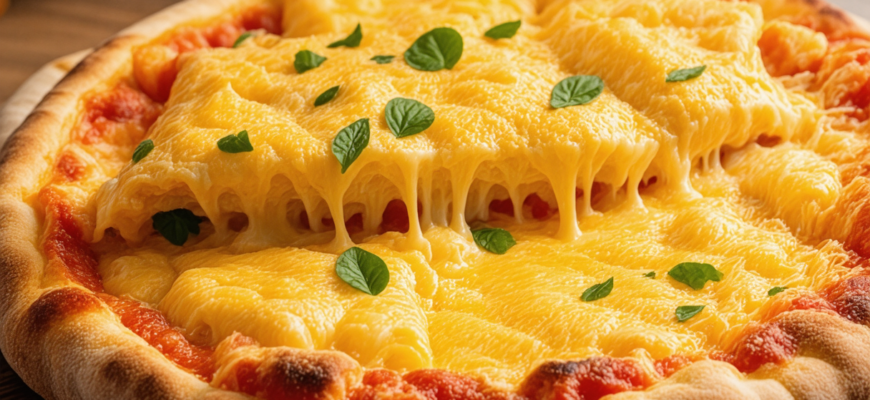
When it comes to creating the perfect pizza, the choice of cheese plays a pivotal role. The ideal cheese blend not only provides a rich, savory flavor but also ensures a smooth, gooey melt that enhances the overall texture and aesthetic of the dish. Selecting the proper combination of cheeses for melting is an art that combines culinary knowledge, understanding of cheese properties, and a touch of experimentation. This comprehensive guide delves into the intricacies of cheese blending, offering valuable insights for amateur cooks and professional chefs alike.
- Understanding Cheese Melting Properties
- The Most Melting-Friendly Types of Cheese
- Why Combining Different Cheeses Matters
- Popular Cheese Blends for Melting Perfection in Pizzas
- Classic Mozzarella and Cheddar
- Gruyère and Fontina
- Pecorino Romano and Mozzarella
- Provolone and Gouda
- How to Create the Perfect Cheese Blend for Melting
- Step 1: Choose Your Base
- Step 2: Add Enhancers
- Step 3: Experiment with Ratios
- Step 4: Properly Prepare Cheese for Melting
- Formulas and Calculations for Cheese Blending
- Simple Ratio Calculation
- Tips for Achieving Melting Perfection
- Common Mistakes to Avoid
- Crafting Your Ideal Cheese Blend
- Additional Resources
Understanding Cheese Melting Properties
Before exploring specific cheese blends, it is crucial to understand what makes some cheeses melt beautifully while others remain firm or brittle. Several factors influence melting behavior:
- Fat Content: Higher fat cheeses tend to melt more smoothly because fat acts as a lubricant, creating a velvety texture.
- Protein Structure: The casein proteins in cheese determine how well the cheese will stretch and melt. Proteins that are well-hydrated and disrupted can enhance melting.
- pH Level: More acidic cheeses melt better due to the altered protein network.
- Aging Process: Fresh cheeses generally melt more easily than aged cheeses, which tend to be firmer.
The Most Melting-Friendly Types of Cheese
Here is a table highlighting popular cheeses based on their melting properties:
| Cheese Type | Melting Behavior | Flavor Profile | Common Uses |
|---|---|---|---|
| Mozzarella | Excellent melter, stretchy | Mild, milky | Pizzas, lasagna, Caprese |
| Cheddar | Good melting, varies by age | Sharp, tangy (aged), mild (youthful) | Grilled cheese, sauces, toppings |
| Gruyère | Very good melting, smooth | Nutty, slightly sweet | Fondue, French onion soup |
| Provolone | Excellent meltability | Mild, slightly smoky | Pizzas, cold cuts, sandwiches |
| Gouda | Good meltability, creamy | Buttery, rich | Grilled cheese, baked dishes |
| American Cheese | Very smooth, melts perfectly | Mild, creamy | Classic grilled cheese |
| Parmesan | Does not melt well, best grated | Salty, nutty | Grated over dishes, flavoring |
Why Combining Different Cheeses Matters
Using a single type of cheese can limit flavor complexity and melting quality. Combining cheeses allows for balancing flavor, achieving optimal meltability, and adding depth to the dish. Different cheeses contribute unique textures and tastes, resulting in an enhanced culinary experience.
Popular Cheese Blends for Melting Perfection in Pizzas
Classic Mozzarella and Cheddar
This combo offers the perfect balance between stretchiness and sharpness, creating a flavorful and visually appealing melted cheese layer. Mozzarella provides the desirable stretch and mild flavor, while cheddar adds a sharp, savory note.
Gruyère and Fontina
For a richer, more complex melt, pairing Gruyère with Fontina enhances creaminess and introduces nutty, buttery undertones. This blend is especially popular in gourmet pizzas and baked dishes.
Pecorino Romano and Mozzarella
Adding grated Pecorino Romano to mozzarella introduces a salty, tangy flavor, creating a dynamic taste profile. Use this blend for a more robust, traditional Italian flavor.
Provolone and Gouda
This combination harmonizes smoky and buttery flavors, resulting in a decadent, smooth melting cheese layer. It works well in various specialty pizzas.
How to Create the Perfect Cheese Blend for Melting
Step 1: Choose Your Base
The foundation of any cheese blend is typically mozzarella, thanks to its superior melting and stretching qualities. Select a high-quality, fresh mozzarella for best results, either in shredded or sliced form.
Step 2: Add Enhancers
To add flavor complexity and improve melting, incorporate one or two complementary cheeses such as cheddar, provolone, or Gruyère. The choice depends on the desired flavor profile:
- Decide on the flavor direction: sharp, nutty, smoky, or mild.
- Balance the cheeses’ fat content for optimal melting without becoming greasy.
Step 3: Experiment with Ratios
Start with a standard ratio, for example:
| Cheese | Typical Ratio | Notes |
|---|---|---|
| Mozzarella | 70% | Main melting cheese |
| Secondary Cheese (Cheddar, Gruyère, etc.) | 30% | Adds flavor and complexity |
Adjust the ratios based on taste and melting behavior observed during testing.
Step 4: Properly Prepare Cheese for Melting
For consistent melting, grate or cube cheeses uniformly. Avoid large chunks, which melt unevenly. Allow cheeses to reach room temperature before application on the pizza for better meltability.
Formulas and Calculations for Cheese Blending
Simple Ratio Calculation
To prepare a specific amount of cheese blend, use the following formula:
Amount of Cheese X = (Total Weight of Blend) * (Desired Ratio of X)
Example:
- Total cheese weight needed: 500 grams
- Mozzarella ratio: 70% (0.7)
- Cheddar ratio: 30% (0.3)
Calculations:
- Mozzarella: 500g * 0.7 = 350g
- Cheddar: 500g * 0.3 = 150g
Tips for Achieving Melting Perfection
- Use Fresh, High-Quality Cheese: Fresh cheese melts more evenly and tastes better.
- Control the Temperature: Cook pizzas at high heat (250°C or higher) to promote quick, even melting.
- Avoid Excessive Moisture: Excess moisture can hinder melting; pat cheeses dry if necessary.
- Experiment with Additives: Small amounts of milk or cream can enhance creaminess.
- Keep Cheese at Room Temperature: Ensures even melting and better integration with other toppings.
Common Mistakes to Avoid
- Using low-quality or old cheeses that do not melt well.
- Overloading cheese, leading to burning or greasy layers.
- Inconsistent cutting or grating, causing uneven melting.
- Ignoring oven temperature, resulting in under-melted or burnt cheese.
Crafting Your Ideal Cheese Blend
The secret to elevating pizza with melting cheese lies in the careful selection and combination of cheeses based on their melting characteristics, flavor profiles, and texture contributions. Experimenting with different ratios and cheese varieties allows for creating personalized blends tailored to specific tastes and pizza styles. Mastery of cheese blending not only enhances the sensory appeal of pizza but also broadens culinary horizons, enabling cooks to craft gourmet, melt-in-your-mouth dishes that delight every palate.
Additional Resources
Whether for a classic Margherita, a decadent four-cheese pizza, or a spicy specialty, understanding the art of cheese blending is essential for achieving melting excellence every time. With patience and experimentation, anyone can master the craft of creating the perfect cheese layer to make pizza that looks, tastes, and feels extraordinary.
Похожие записи:
 Choosing the Perfect Flour for Flawless Pizza Dough: A Complete Guide
  Ultimate Guide to Troubleshooting Common Pizza Baking Problems: Tips & Solutions
  Ultimate Guide: Tips for Storing Leftover Pizza Without Losing Quality
  Ultimate Guide: Tips for Cooking Different Styles of Pizza at Home
  Using a Grill to Achieve Smoky-Flavored Pizzas: The Ultimate Guide for Pizza Enthusiasts
  Mastering Restaurant-Quality Pizzas at Home: The Ultimate Guide to Using a Pizza Stone
  The Journey of Creating Vegan Cheese for Pizza: From Concept to Slice
  Incorporating Smokey and Spicy Elements for a Bold Taste in Pizza: A Culinary Guide
  Creating Flavorful and Colorful Veggie-Based Pizzas: A Guide to Delicious, Healthy, and Vibrant Pies
  Lebanese Manakish with Za’atar and Cheese: A Delicious Twist on Traditional Pizzas
  Perfectly Pairing Your Pizza with Delicious Side Dishes: A Complete Guide
  Mastering the Art of Stuffed Crusts: Techniques for Making Delicious Pizzas at Home
  Mastering Vegan and Vegetarian Pizza: Delicious Recipes and Culinary Inspiration
  Unlocking Flavor: The Art of Incorporating Herbs and Spices into Pizza for a Burst of Taste
  Creative Ways to Make Gluten-Free Pizza Crusts: Elevate Your Pizza Experience
  Mastering Thin-Crust Pizza: Secrets to Achieve Perfect Crispiness and Tenderness