
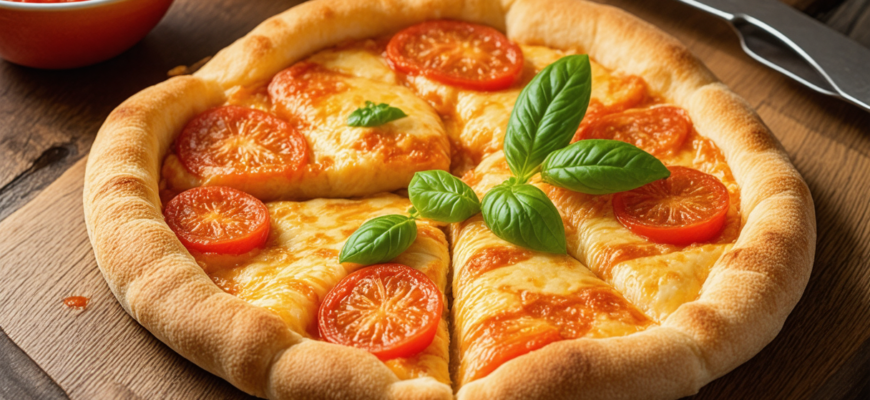
Pizza has long been one of the most beloved dishes worldwide, renowned for its versatility, rich flavors, and comforting qualities. Among the various pizza styles, stuffed crust pizza stands out as a luxurious variation that elevates this classic dish to new heights. The combination of crispy crust and gooey, cheesy interior creates an irresistible experience for pizza lovers.
Making stuffed crust pizza at home might seem complex at first glance, but with the right techniques and a good understanding of the process, anyone can craft a perfect, restaurant-quality pizza from their own kitchen. This comprehensive guide will explore the history of stuffed crust pizza, fundamental tips, step-by-step techniques, and practical recipes to help enthusiasts achieve professional results.
- History and Evolution of Stuffed Crust Pizza
- Essential Equipment and Ingredients
- Equipment Needed
- Key Ingredients
- Special Ingredients for Variations
- Preparing the Dough for Stuffed Crust Pizza
- Basic Dough Recipe
- Tips for Perfect Dough
- Techniques for Creating Stuffed Crust at Home
- Step-by-Step Guide to Making a Stuffed Crust Pizza
- 1. Dividing and Shaping the Dough
- 2. Adding the Cheese Filling
- 3. Precooking the Crust with Cheese
- 4. Adding Toppings and Sauce
- 5. Baking the Pizza
- Additional Tips for Achieving a Perfect Stuffed Crust
- Creative Variations for Stuffed Crust Pizza
- 1. Meat Lover’s Crust
- 2. Veggie-Loaded Crust
- 3. Spicy and Savory Variations
- 4. Sweet Stuffed Crust
- Summary and Final Tips
- Key Takeaways
- Final Thoughts
History and Evolution of Stuffed Crust Pizza
The concept of stuffed crust pizza gained popularity in the early 1990s, with major pizza chains marketing it as a novel way to enhance the pizza experience. Its origins are often attributed to innovation within the pizza industry, aiming to differentiate their products and attract more customers.
The first commercially successful stuffed crust was introduced by Domino’s Pizza in 1995, featuring a filled edge of cheese, which became an instant hit. Since then, various variations have appeared, including different fillings like cheeses, meats, vegetables, and even sweet ingredients.
Despite its commercial popularity, homemade stuffed crust pizza offers an opportunity to experiment with fillings and crust styles, making it a personalized culinary experience. This guide will explore techniques that enable home cooks to recreate and customize their own stuffed crust masterpieces.
Essential Equipment and Ingredients
Equipment Needed
- Stand mixer or mixing bowls — for preparing dough
- Rolling pin — helps shape the dough evenly
- Pizza peel or flat surface — for transferring the pizza
- Baking sheet or pizza stone — for baking
- Sharp knife or pizza cutter — for slicing
- Measuring cups and spoons — for precise ingredient measurements
- Pastry bags or plastic bags (optional) — for filling the crust
Key Ingredients
| Ingredient | Purpose |
|---|---|
| Flour (preferably bread flour) | Base for the dough, provides gluten structure |
| Water | Hydrates flour, activates yeast |
| Yeast (active dry or instant) | Leavening agent, helps dough rise |
| Salt | Enhances flavor |
| Olive oil | Improves dough elasticity, adds flavor |
| Sugar | Feeds yeast, promotes browning |
| Cheese (mozzarella, gouda, etc.) | Main filling for stuffed crust |
| Fillings (optional) | Meats, vegetables, herbs for customization |
Special Ingredients for Variations
- Herbs (basil, oregano)
- Sauces (tomato, pesto)
- Additional cheeses (cheddar, parmesan)
- Meats (pepperoni, ham, sausage)
- Vegetables (bell peppers, mushrooms, olives)
Preparing the Dough for Stuffed Crust Pizza
Basic Dough Recipe
- Activate Yeast: Dissolve 7g (1 packet) of dry yeast in 300ml warm water (around 40°C). Add 1 teaspoon sugar and let sit for 5-10 minutes until foamy.
- Combine Dry Ingredients: In a large mixing bowl, mix 500g bread flour and 1 teaspoon salt.
- Add Wet Ingredients: Pour in the activated yeast mixture and 2 tablespoons olive oil.
- Knead Dough: Mix with a spoon initially, then knead by hand or with a stand mixer fitted with a dough hook for about 8-10 minutes until smooth and elastic.
- First Rise: Cover the bowl with a damp cloth and let the dough rise in a warm place for 1 to 1.5 hours or until doubled in size.
Tips for Perfect Dough
- Use high-quality bread flour for better gluten development and texture.
- Ensure water is not too hot; excessive heat can kill yeast.
- Allow the dough to rest adequately for optimal elasticity.
- For a crispier crust, pre-bake the crust for 5-7 minutes before adding toppings.
Techniques for Creating Stuffed Crust at Home
Step-by-Step Guide to Making a Stuffed Crust Pizza
1. Dividing and Shaping the Dough
After the initial rise, punch down the dough and transfer it onto a floured surface. Divide into two parts if making multiple pizzas or work with one large piece. Roll out the dough into a circle or rectangle, depending on your baking vessel. Aim for about 0.5 cm thickness for a balanced crust.
2. Adding the Cheese Filling
This is the critical step that transforms a regular pizza into a stuffed crust masterpiece. Take about 100-150g of cheese (preferably mozzarella) and roll it into a long, thin log or shape into small balls. Arrange these along the edge of the rolled-out dough, leaving a margin of about 2-3 cm.
To achieve an even stuffed edge, you can:
- Place cheese logs or chunks along the circumference.
- Use a pastry bag to pipe cheese directly onto the crust edge.
Carefully fold the edge of the dough over the cheese fillings, pinching and sealing tightly to prevent cheese from leaking during baking. Pinch all seams and make sure the cheese is securely enclosed.
3. Precooking the Crust with Cheese
For a more stable and tidy stuffed crust, consider pre-baking the crust for 5-7 minutes at 200°C. This will firm up the crust and help keep the filling inside during the final bake.
4. Adding Toppings and Sauce
Spread tomato sauce or other preferred sauces (pesto, barbecue) over the prepared crust base, avoiding the edges to keep the stuffed seam sealed. Add cheese, meats, vegetables, and herbs on top of the sauce for personalization.
5. Baking the Pizza
Transfer the assembled pizza onto a preheated pizza stone or baking sheet. Bake at 220°C for 12-15 minutes or until the crust is golden and crispy, and cheese is bubbly and slightly browned.
Additional Tips for Achieving a Perfect Stuffed Crust
- Ensure the dough is rolled out evenly for uniform crust thickness.
- Seal the edges thoroughly to prevent cheese leakage. Wetting the sealing seam with a bit of water before pinching can help.
- Use high-quality melting cheeses for the best gooey effect.
- Pre-baking the crust slightly improves structure and prevents sogginess.
- Try different fillings such as seasoned cheese blends, garlic butter, or even small pieces of cooked sausage for unique flavors.
Creative Variations for Stuffed Crust Pizza
While traditional stuffed crust features cheese alone, the possibilities for customization are endless. Here are some ideas to inspire culinary experimentation:
1. Meat Lover’s Crust
- Include small cooked sausage slices, pepperoni, or ham within the cheese filling for a hearty twist.
2. Veggie-Loaded Crust
- Add finely chopped cooked vegetables such as spinach, mushrooms, or bell peppers inside the cheese for added flavor and nutrients.
3. Spicy and Savory Variations
- Mix hot peppers or spicy cheeses into the filling for a fiery kick.
4. Sweet Stuffed Crust
- Use cream cheese and fruit preserves inside for dessert-style pizza variations.
Summary and Final Tips
Mastering the art of making stuffed crust pizza at home requires a mix of precise technique, quality ingredients, and creativity. The process involves preparing a well-developed dough, carefully adding fillings, sealing the edges, and baking correctly to achieve a crispy yet cheesy interior. With patience and practice, every home chef can enjoy crafting delicious stuffed crust pizzas tailored to their taste preferences.
Key Takeaways
- Use high-quality bread flour and fresh ingredients for the best results.
- Seal the crust edges thoroughly to prevent cheese leakage.
- Pre-bake the crust slightly to ensure stability and crispiness.
- Experiment with fillings and toppings to create personalized flavors.
- Maintain a hot oven (220°C or higher) for a golden, crispy crust.
Final Thoughts
Creating homemade stuffed crust pizza is an enjoyable and rewarding culinary adventure. It allows cooks to indulge in a dish that combines skill, creativity, and flavor innovation. Whether making a simple cheese-filled crust or a gourmet masterpiece loaded with diverse toppings, the techniques outlined here will help every home chef turn a basic pizza into a sensational, personalized pie that rivals restaurant offerings.
Похожие записи:
 Mastering Restaurant-Quality Pizzas at Home: The Ultimate Guide to Using a Pizza Stone
  Ultimate Guide: Tips for Cooking Different Styles of Pizza at Home
  Mastering Vegan and Vegetarian Pizza: Delicious Recipes and Culinary Inspiration
  Albanian Flia with Layered Fillings: A Delicious Twist on Traditional Pizzas
  Creative Ways to Make Gluten-Free Pizza Crusts: Elevate Your Pizza Experience
  Mastering Oven Temperatures: The Key to Perfect Baking Every Time
  Mastering Pizza Transfers: How Parchment Paper Simplifies Your Cooking Process
  Lebanese Manakish with Za’atar and Cheese: A Delicious Twist on Traditional Pizzas
  Scandinavian Rye-Based Flatbread Pizzas: A Delicious Twist on Traditional Pizza
  Using a Grill to Achieve Smoky-Flavored Pizzas: The Ultimate Guide for Pizza Enthusiasts
  The Technological Innovations in Pizza Baking Techniques: Transforming Tradition into Modern Masterpieces
  Ukrainian Pyrizhky with Savory Fillings: A Delicious Tradition
  Finnish Karjalanpiirakka with Its Regional Twist: A Delicious Journey Through History and Variations
  Calzone: The Folded Pizza from Italy – A Delicious Journey into Italian Cuisine
  Maltese Ftira with Local Flavors: A Delicious Twist on Traditional Pizza
  Armenian Lahmajoon with Spicy Meat Topping: A Delicious Taste of Tradition