
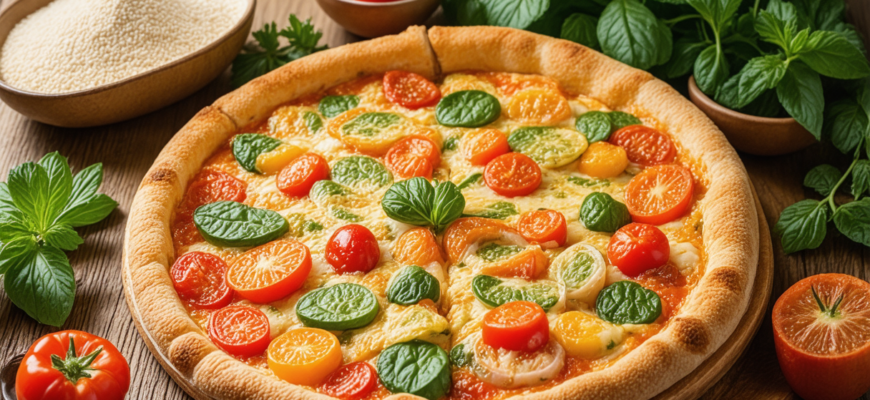
Pizza is a beloved dish enjoyed worldwide, known for its versatility and comforting flavors. However, for individuals with gluten intolerance, celiac disease, or those choosing a gluten-free lifestyle, traditional pizza crusts pose a challenge. Fortunately, modern culinary innovation has expanded the possibilities for creating delicious, satisfying gluten-free pizza bases. This comprehensive guide explores various creative techniques, ingredients, and tips to craft exceptional gluten-free pizza crusts that cater to every taste preference.
- Understanding the Basics of Gluten-Free Pizza Crusts
- What Is Gluten, and Why Is It a Problem?
- Key Challenges in Making Gluten-Free Pizza Crusts
- Essential Ingredients for Gluten-Free Pizza Crusts
- Innovative Approaches to Gluten-Free Pizza Crusts
- 1. Nut-Based Crusts: Rich and Nutritious
- Recipe Concept:
- 2. Cauliflower Crusts: Low-Carb and Vegetal
- Preparation Tips:
- 3. Chickpea (Garbanzo Bean) Flour Crusts: Protein-Packed and Tasty
- Sample Recipe:
- 4. Grain-Free Seed Crusts: Dense and Crunchy
- Method Overview:
- Exploring Creative Flavors and Textures
- Enhancing Crust Flavor Profiles
- Texture Variety
- Examples:
- Step-by-Step Guide: Crafting a Perfect Gluten-Free Pizza Crust
- Step 1: Choosing the Right Ingredients
- Step 2: Preparing the Dough
- Step 3: Resting and Shaping
- Step 4: Pre-Baking
- Step 5: Adding Toppings and Final Bake
- Tips for Perfect Gluten-Free Pizza Crusts
- Nutrition and Health Benefits of Gluten-Free Crusts
- Embrace Creativity in Gluten-Free Pizza Making
Understanding the Basics of Gluten-Free Pizza Crusts
What Is Gluten, and Why Is It a Problem?
Gluten is a protein composite found primarily in wheat, barley, and rye. It provides elasticity and strength to dough, helping it rise and hold its shape. For those with gluten sensitivities or celiac disease, consuming gluten can lead to adverse health effects, including inflammation and digestive discomfort. Therefore, creating a gluten-free alternative requires substitutes that mimic the properties of gluten without containing it.
Key Challenges in Making Gluten-Free Pizza Crusts
- Achieving the right texture: gluten provides chewiness and elasticity, which must be recreated with other ingredients.
- Ensuring good adhesion and handling: gluten-free doughs can be fragile and sticky.
- Maintaining flavor and nutritive value: using wholesome ingredients that enhance taste.
- Creating a crust that holds toppings without becoming soggy or falling apart.
Essential Ingredients for Gluten-Free Pizza Crusts
While traditional pizza dough relies heavily on wheat flour, gluten-free recipes utilize a variety of alternative ingredients, each contributing unique properties. Common components include:
| Ingredient | Role | Examples |
|---|---|---|
| Gluten-Free Flours | Base for dough; provides structure | Almond flour, rice flour, tapioca flour, buckwheat flour, chickpea flour |
| Binders | Replace gluten’s elasticity and cohesion | Xanthan gum, guar gum, psyllium husk, ground flaxseed |
| Moisture | Hydrates the dough, affects texture | Water, milk, plant-based milk |
| Leavening Agents | Help dough rise; create airy texture | Baking powder, yeast, baking soda |
| Flavor Enhancers | Add taste and aroma | Herbs, spices, garlic powder |
Innovative Approaches to Gluten-Free Pizza Crusts
1. Nut-Based Crusts: Rich and Nutritious
Using nut flours, such as almond flour or hazelnut flour, creates a crust with a rich flavor profile and added nutritional benefits. Almond flour, in particular, provides healthy fats and protein, making the crust satisfying and filling. Nut-based crusts are naturally gluten-free and lend a delicate crunch.
Recipe Concept:
- Combine 2 cups almond flour with 1 tablespoon ground flaxseed and 1 teaspoon baking powder.
- Add 2 eggs (or flaxseed eggs for vegan option) and 2 tablespoons olive oil.
- Knead into a dough, roll out, and prebake at 180°C (355°F) for 10 minutes before adding toppings.
2. Cauliflower Crusts: Low-Carb and Vegetal
Cauliflower is a popular gluten-free alternative that offers a light, crispy crust when prepared correctly. It adds fiber and vitamins, making it a health-focused choice. The key is ensuring excess moisture is removed to prevent sogginess.
Preparation Tips:
- Grate cauliflower into rice-sized pieces, then steam or microwave until soft.
- Use a cheesecloth or clean towel to squeeze out as much moisture as possible.
- Mix cauliflower with cheese, eggs, and seasoning to form a dough that can be rolled out and baked.
3. Chickpea (Garbanzo Bean) Flour Crusts: Protein-Packed and Tasty
Chickpea flour introduces a nutty flavor and high protein content, ideal for hearty pizza bases. Its binding properties allow for sturdy crusts that hold toppings well.
Sample Recipe:
- Mix 1 ½ cups chickpea flour with ½ teaspoon salt and 1 teaspoon herbs.
- Add 2 beaten eggs and ¼ cup olive oil.
- Gradually add water until dough forms; roll out and bake at 200°C (392°F) for 15-20 minutes.
4. Grain-Free Seed Crusts: Dense and Crunchy
Seed-based crusts utilize ground flaxseeds, chia seeds, or sunflower seeds combined with egg or water to create a sturdy, crunchy base. They are also rich in omega-3 fatty acids and fiber.
Method Overview:
- Combine 1 cup ground flaxseed or chia seeds with 2 eggs and seasoning.
- Press the mixture into a baking sheet and bake at 180°C (355°F) for 15 minutes before adding toppings.
Exploring Creative Flavors and Textures
Enhancing Crust Flavor Profiles
Beyond basic ingredients, flavor enhancements transform simple crusts into gourmet experiences. Consider adding:
- Herbs like oregano, basil, rosemary, or thyme.
- Garlic powder or roasted garlic for depth.
- Cheese (traditional or plant-based) for richness and binding.
- Spices such as cumin or smoked paprika for smoky notes.
Texture Variety
Different ingredients influence the crust’s final texture—from crisp and flaky to tender and chewy. Adjusting the ratio of moisture and binders allows tailoring the crust to personal preference.
Examples:
- Adding more tapioca flour yields a chewier crust.
- Increasing the amount of psyllium husk results in a more pliable, dough-like texture.
- Pre-baking (parbaking) the crust ensures a crisp bottom, especially with moist toppings.
Step-by-Step Guide: Crafting a Perfect Gluten-Free Pizza Crust
Step 1: Choosing the Right Ingredients
Select ingredients based on nutritional goals, flavor preference, and desired crust texture. Experimenting with combinations often yields the best results.
Step 2: Preparing the Dough
- Mix dry ingredients thoroughly.
- Add wet ingredients gradually, ensuring uniform consistency.
- Knead or stir until dough is smooth and manageable.
Step 3: Resting and Shaping
Allow the dough to rest for 10-15 minutes to improve elasticity. Roll out or press into a baking sheet lined with parchment paper, forming an even layer.
Step 4: Pre-Baking
Bake the crust at a moderate temperature (180-200°C / 355-392°F) for 10-15 minutes. This step helps prevent sogginess when toppings are added.
Step 5: Adding Toppings and Final Bake
- Spread sauce evenly, then layer desired toppings.
- Return to oven and bake until cheese melts and crust reaches desired crispness, typically 10-15 minutes.
Tips for Perfect Gluten-Free Pizza Crusts
- Use multiple flours: a blend of rice, tapioca, and other flours often results in better texture.
- Hydration matters: ensure enough moisture for pliability without making the dough too sticky.
- Experiment with binders: xanthan gum and psyllium husk are excellent for mimicking gluten elasticity.
- Don’t overwork the dough: handle gently to prevent toughness.
- Pre-bake crusts when necessary: especially when using moist toppings or dense ingredients.
Nutrition and Health Benefits of Gluten-Free Crusts
Beyond accommodating dietary restrictions, many gluten-free ingredients provide additional health benefits. For instance:
- Almond flour supplies healthy monounsaturated fats and vitamin E.
- Cauliflower offers fiber, vitamins C and K, and antioxidants.
- Chickpea flour adds protein, fiber, and minerals such as iron and magnesium.
- Seed-based crusts contribute omega-3 fatty acids and lignans.
Choosing wholesome ingredients not only ensures dietary compliance but also enhances the nutritional profile of your homemade pizza.
Embrace Creativity in Gluten-Free Pizza Making
The key to mastering gluten-free pizza crusts lies in experimentation and understanding ingredient properties. From nut-based and cauliflower options to chickpea and seed crusts, the universe of gluten-free bases is vast and varied. Incorporating flavors, textures, and innovative techniques can transform simple dough into culinary masterpieces that delight the senses. With patience and creativity, anyone can craft gluten-free pizzas that rival traditional versions, offering both health benefits and exceptional taste. Remember that the perfect crust is a personal journey—adapt recipes to your preferences, and enjoy the process of creating delicious, allergen-friendly pizza for every occasion.
Похожие записи:
 The Rise of Gluten-Free and Vegan Pizza Options: A Delicious Revolution
  Choosing the Perfect Flour for Flawless Pizza Dough: A Complete Guide
  The Role of Technology in Pizza Delivery Innovations: Transforming the Culinary Experience
  The Rise of Healthy and Alternative Pizza Options: A Delicious Revolution
  Mastering Oven Temperatures: The Key to Perfect Baking Every Time
  Mastering Restaurant-Quality Pizzas at Home: The Ultimate Guide to Using a Pizza Stone
  Mastering Pizza Transfers: How Parchment Paper Simplifies Your Cooking Process
  Neapolitan Pizza: The Art of Authentic Preparation
  Roman Pizza al Taglio and Its Rectangular Slices: A Deep Dive into Tradition, Technique, and Tastes
  Discover the Bold Flavors of Serbian Pizza with Spicy Sausage and Peppers
  New York-Style Thin Crust Pizza: The Iconic Street Food of the Big Apple
  The Future Trends Shaping the Evolution of Pizza
  The Journey of Creating Vegan Cheese for Pizza: From Concept to Slice
  Scandinavian Rye-Based Flatbread Pizzas: A Delicious Twist on Traditional Pizza
  Sicilian Pizza: A Delicious Dive into Thick, Square Slices and Its Rich History
  The Evolution of Pizza Sauce Recipes Over Time: A Delicious Journey Through History