
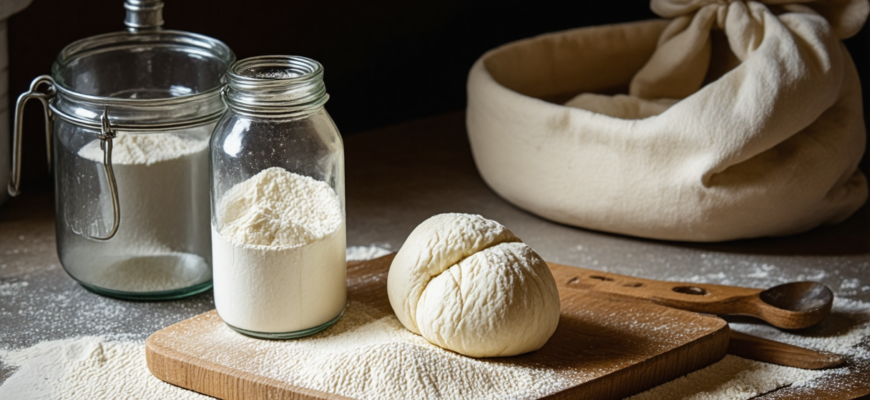
Creating the perfect pizza is both an art and a science, and one of the fundamental elements that determine the success of a great pizza is the type of flour used. The flour is the backbone of the dough, affecting its texture, elasticity, flavor, and overall quality. Whether you prefer a thin, crispy crust or a thick, chewy base, selecting the right flour is crucial. This comprehensive guide explores the different types of flours suitable for pizza dough, their characteristics, how to choose the best one for your needs, and practical tips to make your homemade pizza truly exceptional.
- Understanding the Role of Flour in Pizza Dough
- Why Is Flour So Important?
- Key Characteristics of Flour Affecting Pizza Dough
- Types of Flour Suitable for Pizza Dough
- 1. Bread Flour
- 2. Italian Tipo 00 Flour
- 3. All-Purpose Flour
- 4. Caputo Flour
- 5. Whole Wheat Flour
- Comparative Table of Flour Types for Pizza
- How to Choose the Right Flour for Your Pizza
- Consider Your Style of Pizza
- Account for Baking Temperature
- Consider Hydration Levels
- Experiment and Adapt
- Practical Tips for Working with Different Flours
- Handling High-Protein Flours
- Adjusting Hydration
- Rest and Fermentation
- Formulating Your Own Pizza Dough Recipe
- Sample Basic Recipe Using Bread Flour
- Adjustments for Different Flours
- Final Tips for Perfecting Your Pizza Dough
Understanding the Role of Flour in Pizza Dough
Why Is Flour So Important?
Flour provides the primary structure for pizza dough, thanks to its gluten content. Gluten is a network of proteins that trap gas produced during fermentation, allowing the dough to rise and develop desirable elasticity and chewiness. The quality and type of flour directly influence the dough’s handling properties, fermentation behavior, texture, and taste.
Key Characteristics of Flour Affecting Pizza Dough
- Protein Content: Determines gluten strength. Higher protein flours produce more elastic and chewy dough.
- Absorption Capacity: How much water the flour can absorb, affecting dough hydration and consistency.
- Granulation: Fine or coarse milling impacts dough handling and texture.
- Type of Wheat: Different wheat varieties influence flavor and strength.
Types of Flour Suitable for Pizza Dough
1. Bread Flour
Bread flour is perhaps the most popular choice for pizza dough, especially for those aiming for a traditional, chewy crust. It has a high protein content, typically between 12-14%, which yields excellent gluten development. This results in a dough that stretches easily and retains gas well during fermentation.
2. Italian Tipo 00 Flour
Originating from Italy, Tipo 00 flour is renowned for its ultra-fineness and low ash content, making it ideal for authentic Neapolitan pizza. Its protein content generally ranges from 8-12%, and it creates a dough that’s soft, supple, and capable of a thin, crisp crust when baked at high temperatures.
3. All-Purpose Flour
A versatile option, all-purpose flour can be used for pizza dough, especially for beginners. With protein levels around 10-12%, it offers a fair balance of elasticity and tenderness. However, it may not produce the same chewy texture as bread flour or Tipo 00.
4. Caputo Flour
Caputo is a well-known brand that produces a range of flours, particularly suited for pizza. Their “Caputo Chef’s Flour” and “00” varieties are popular among home bakers and professionals alike, promising consistency and superb results.
5. Whole Wheat Flour
For a healthier, more rustic pizza, whole wheat flour can be incorporated. It has a higher fiber content, but also less gluten, which can make dough denser and slightly harder to work with unless combined with other flours.
Comparative Table of Flour Types for Pizza
| Flour Type | Protein Content (%) | Texture | Best For | Special Characteristics |
|---|---|---|---|---|
| Bread Flour | 12-14% | Elastic, chewy | Chewy, thick crusts, Neapolitan | |
| Tipo 00 Flour | 8-12% | Softer, fine texture | Authentic Neapolitan pizza | |
| All-Purpose Flour | 10-12% | Moderately elastic, tender | Everyday homemade pizza | |
| Caputo Flour | Typically 12% | Consistent, high-quality | Professional-style pizza | |
| Whole Wheat Flour | 13-15% | Denser, hearty | Healthier, rustic pizzas |
How to Choose the Right Flour for Your Pizza
Consider Your Style of Pizza
Different types of pizza require different dough characteristics. For a classic thin and crispy Neapolitan pizza, Tipo 00 flour is ideal. For a thicker, more substantial crust like Sicilian style, bread flour is better suited. Decide on your preferred texture and flavor, and select the flour accordingly.
Account for Baking Temperature
High-temperature baking (900°F / 480°C) favors softer, more delicate flours like Tipo 00. Lower oven temperatures (around 450°F / 230°C) may require sturdier flours like bread flour to ensure the dough holds together without burning.
Consider Hydration Levels
Higher protein flours can typically absorb more water, leading to doughs with higher hydration. Adjust your recipe based on the flour’s absorption capacity to achieve the right dough consistency.
Experiment and Adapt
The best way to find the perfect flour is through experimentation. Try different types and observe how the dough reacts during mixing, fermentation, and baking. Take notes on texture, flavor, and handling to refine your choice.
Practical Tips for Working with Different Flours
Handling High-Protein Flours
Doughs made with high-protein flours can be sticky and elastic. Use proper flouring of surfaces to prevent sticking and consider longer kneading times to develop gluten fully. Autolyse (resting the dough after initial mixing) can improve extensibility.
Adjusting Hydration
For flours with higher absorption capacity, increase the water content gradually while mixing until the dough reaches the desired consistency. For lower absorption flours, reduce water accordingly to prevent overly sticky or dry doughs.
Rest and Fermentation
Allow doughs sufficient resting time to develop flavor and structure. Longer fermentation improves gluten development and taste. Use cold fermentation for more complex flavors, especially when working with high-protein or whole wheat flours.
Formulating Your Own Pizza Dough Recipe
Sample Basic Recipe Using Bread Flour
Ingredient | Quantity --- | --- Bread flour | 500g Water (lukewarm) | 325ml (65% hydration) Dry yeast | 7g (1 sachet) Salt | 10g Olive oil | 15ml
- Mix flour and salt in a large bowl.
- Dissolve yeast in water and add to the flour mixture.
- Mix until the ingredients come together into a dough.
- Knead for about 10 minutes until smooth and elastic.
- Let rise in a warm place for 1-2 hours until doubled in size.
- Shape the dough, add toppings, and bake at high temperature (~250°C) for 7-10 minutes.
Adjustments for Different Flours
- Tipo 00 Flour: Use slightly less water due to its finer grind; about 60-62% hydration.
- Whole Wheat Flour: Combine with bread flour (e.g., 50/50 ratio) to improve elasticity and rise.
- All-Purpose Flour: Use same as bread flour but monitor hydration, as it can vary.
Final Tips for Perfecting Your Pizza Dough
- Use Fresh Ingredients: Fresh yeast and high-quality flour make a difference.
- Manage Temperature: Control ambient temperature during fermentation for consistent results.
- Practice Kneading: Proper kneading develops gluten and improves texture.
- Patience Is Key: Longer, slow fermentations enhance flavor and dough strength.
- Adjust Based on Experience: Every flour batch can behave slightly differently; adapt accordingly.
The choice of flour is foundational to crafting a pizza that matches your taste preferences and the style you aim to achieve. Whether opting for the authentic softness of Tipo 00 or the robust elasticity of bread flour, understanding the properties and applications of each flour type empowers home bakers and professionals to elevate their pizza-making craft. With experimentation, patience, and attention to detail, anyone can create a pizza crust that is crispy, chewy, flavorful, and perfectly suited to their culinary vision.
Remember, the journey to perfect pizza begins with selecting the right flour—so get your ingredients ready, and start baking your way to delicious perfection!
Похожие записи:
 Discover the Perfect Georgian Mchadi with Toppings: A Delicious Traditional Bread to Complement Every Meal
  The Rise of Gluten-Free and Vegan Pizza Options: A Delicious Revolution
  Neapolitan Pizza: The Art of Authentic Preparation
  Roman Pizza al Taglio and Its Rectangular Slices: A Deep Dive into Tradition, Technique, and Tastes
  The Emergence of Gourmet and Artisanal Pizza Chefs: Redefining a Classic Cuisine
  New York-Style Thin Crust Pizza: The Iconic Street Food of the Big Apple
  Scandinavian Rye-Based Flatbread Pizzas: A Delicious Twist on Traditional Pizza
  Discover the Bold Flavors of Serbian Pizza with Spicy Sausage and Peppers
  Margarita Pizza: Italy’s Timeless Classic
  The Evolution of New York Thin-Crust Pizza: A Culinary Heritage of Flavor and Tradition
  The Journey of Creating Vegan Cheese for Pizza: From Concept to Slice
  Maltese Ftira with Local Flavors: A Delicious Twist on Traditional Pizza
  The Rise of Healthy and Alternative Pizza Options: A Delicious Revolution
  The Fascinating History of the First Recorded Pizza Recipe: From Ancient Origins to Modern Delight
  The Technological Innovations in Pizza Baking Techniques: Transforming Tradition into Modern Masterpieces
  Irish Potato Bread Topped with Smoked Salmon: A Delicious Fusion of Tradition and Elegance