When it comes to iconic culinary creations, few dishes can boast the cultural significance and universal appeal of the Margarita pizza. Originating from Italy, this simple yet flavorful dish has become a symbol of Italian cuisine worldwide. Its perfect balance of fresh ingredients, history, and symbolism makes it a fascinating subject for anyone interested in the art of pizza making and the rich heritage behind every slice. In this comprehensive guide, explore the history, traditional recipes, variations, and secrets behind the legendary Margarita pizza.
- History of Margarita Pizza: Origins and Evolution
- The Origins of Pizza in Italy
- The Birth of Margarita Pizza
- Perfecting the Classic
- Core Ingredients of Traditional Margarita Pizza
- Essential Components
- Step-by-Step Recipe for Classic Margarita Pizza
- Ingredients Needed
- Preparation Process
- 1. Making the Dough
- 2. Preparing the Tomato Sauce
- 3. Assembling the Pizza
- 4. Garnishing and Serving
- Variations and Modern Twists on Margarita Pizza
- Traditional Variants
- Contemporary Innovations
- The Significance of Margarita Pizza in Italian Culture
- Symbol of Unity and Patriotism
- Ingredients as Cultural Heritage
- Health Aspects and Nutritional Information
- Balanced and Nutritious
- Calorie Content (per serving)
- Additional Resources
History of Margarita Pizza: Origins and Evolution
The Origins of Pizza in Italy
The history of pizza dates back thousands of years to ancient civilizations such as the Egyptians, Romans, and Greeks, who baked bread topped with various ingredients. However, the modern concept of pizza as we know it today originated in Naples, Italy, during the late 18th and early 19th centuries. Naples was a bustling port city where the working class sought affordable yet tasty meals, leading to the creation of pizzas that could be quickly prepared and enjoyed.
The Birth of Margarita Pizza
The story of Margarita pizza is intertwined with Florence and Naples’ history. According to popular legend, in 1889, Queen Margherita of Savoy visited Naples and was served a pizza featuring the colors of the Italian flag—red (tomato), white (mozzarella), and green (basil)—by renowned pizzaiolo Raffaele Esposito. This particular pizza delighted the queen and became known as “Pizza Margherita,” symbolizing patriotic pride and the unification of Italy.
Perfecting the Classic
Over time, Pizza Margherita gained popularity beyond its royal roots and became a staple in pizzerias across Italy and the world. Its simplicity allows for the true flavors of high-quality ingredients to shine through. Today, it is regarded not only as a delicious dish but also as a cultural icon representing Italy’s culinary heritage.
Core Ingredients of Traditional Margarita Pizza
Essential Components
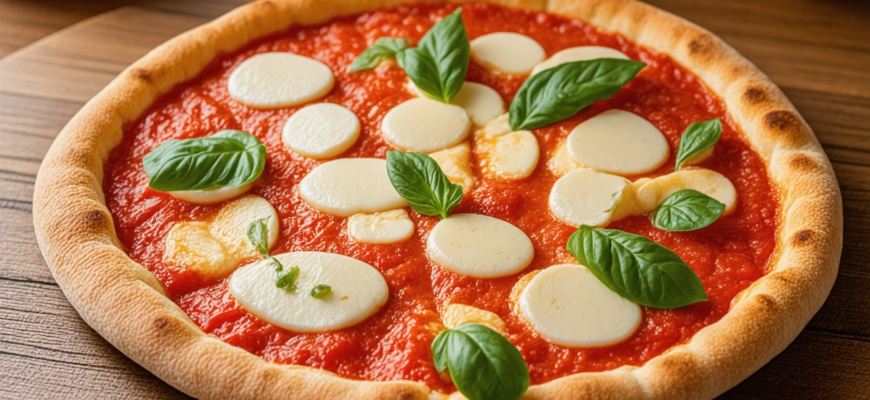
Authentic Margarita pizza is characterized by its minimal yet high-quality ingredients. The key components include:
- Pizza dough: a thin, crispy, and soft base made from wheat flour, water, salt, yeast, and olive oil
- Tomato sauce: typically made from fresh or canned San Marzano tomatoes, seasoned simply with salt and olive oil
- Fresh mozzarella cheese: traditionally Mozerella di Bufala Campana, made from buffalo milk, offering a rich and creamy texture
- Fresh basil leaves: added for flavor and color, symbolizing the green of Italy’s flag
- Extra virgin olive oil: drizzled on top for richness and flavor
Step-by-Step Recipe for Classic Margarita Pizza
Ingredients Needed
| Ingredient | Quantity | Notes |
|---|---|---|
| Flour (Tipo 00 preferred) | 500g | For dough |
| Water | 325ml | Warm, around 20°C |
| Dry yeast | 7g (1 packet) | Instant or active dry |
| Salt | 10g | For dough |
| Olive oil | 50ml | For dough |
| San Marzano tomatoes (canned) | 400g | Pureed or crushed |
| Fresh mozzarella (buffalo or cow’s milk) | 200g | Slice or tear into pieces |
| Fresh basil leaves | 20 leaves | Garnish after baking |
| Extra virgin olive oil | To taste | For drizzling |
Preparation Process
1. Making the Dough
- In a large bowl, combine the yeast with warm water and let it activate for about 5 minutes until frothy.
- Add the flour, salt, and olive oil to the yeast mixture. Mix well to form a dough.
- Knead the dough on a floured surface for approximately 10 minutes until smooth and elastic.
- Place the dough in a lightly oiled bowl, cover with a damp towel, and let it rise in a warm place for 1.5 to 2 hours until doubled in size.
2. Preparing the Tomato Sauce
- In a bowl, mix the canned San Marzano tomatoes with a pinch of salt and a tablespoon of olive oil.
- Optionally, blend or crush the tomatoes with a fork for a smoother texture, maintaining some chunks for authenticity.
3. Assembling the Pizza
- Preheat the oven to 250°C (482°F) or higher; if using a pizza stone, place it in the oven during preheating.
- Divide the dough into two or three equal parts for individual pizzas.
- Roll out each dough portion on a floured surface into a thin circle, approximately 30 cm diameter.
- Transfer the dough onto a pizza peel or baking sheet lined with parchment paper.
- Spread a thin layer of tomato sauce over the base, leaving about 2-3 cm around the edges for the crust.
- Distribute slices or chunks of mozzarella evenly over the tomato sauce.
- Slide the pizza onto the preheated pizza stone or place the baking sheet in the oven.
- Bake for about 7-10 minutes or until the crust is golden and cheese is bubbling and slightly browned.
4. Garnishing and Serving
- Remove the pizza from the oven and immediately garnish with fresh basil leaves.
- Drizzle with high-quality extra virgin olive oil.
- Slice and serve hot for the authentic taste experience.
Variations and Modern Twists on Margarita Pizza
Traditional Variants
- Pizza Margherita DOP: Made strictly with authentic ingredients such as Mozzarella di Bufala Campana and San Marzano tomatoes, following strict standards set by the Italian PDO (Protected Designation of Origin).
- Neapolitan-style Margarita: Slightly thicker crust, baked in wood-fired ovens for a smoky flavor.
Contemporary Innovations
Modern chefs often experiment with toppings and presentation while respecting the original spirit of simplicity. Some popular variations include:
- Buffalo Mozzarella & Basil: Using fresh buffalo mozzarella with a generous amount of basil for a richer flavor.
- Heirloom Tomato & Basil: Incorporating colorful heirloom tomatoes for visual appeal and taste diversity.
- Vegan Margarita: Replacing cheese with vegan alternatives and adding herbs or veggies.
The Significance of Margarita Pizza in Italian Culture
Symbol of Unity and Patriotism
The Margarita pizza symbolizes Italian unity, with its ingredients representing the nation’s flag colors. It embodies simplicity, quality, and regional pride, serving as a culinary ambassador for Italy worldwide.
Ingredients as Cultural Heritage
Each component—San Marzano tomatoes, Buffalo Mozzarella, and fresh basil—has a protected designation of origin, emphasizing their importance in regional and national identity. Preserving traditional methods and ingredients is vital for maintaining authenticity and cultural significance.
Health Aspects and Nutritional Information
Balanced and Nutritious
When prepared with fresh ingredients, Margarita pizza offers a balanced combination of carbohydrates, proteins, healthy fats, and antioxidants. It is a source of calcium, lycopene, and vitamins A and C.
Calorie Content (per serving)
| Component | Approximate Calories |
|---|---|
| One slice (1/8 of a pizza) | 200-250 kcal |
| Full pizza (medium-sized) | 1600-2000 kcal |
The Margarita pizza remains a timeless classic precisely because of its simplicity, high-quality ingredients, and historical significance. As an embodiment of Italian culinary artistry, it has endured centuries and continues to delight palates across the globe. Whether as a quick snack, a family dinner, or a gourmet creation, Margarita pizza exemplifies the essence of Italian cuisine—pure, flavorful, and deeply rooted in cultural tradition. By understanding its origins, original recipe, and modern interpretations, every pizza lover can appreciate why this humble dish holds an esteemed place among the world’s favorite foods.