
From its humble origins as a street food in Naples to becoming a global culinary phenomenon, pizza has embedded itself deeply into the fabric of popular culture and media. Its influence extends far beyond the realm of food, transforming into an icon of social gatherings, entertainment, and even social commentary. In this comprehensive exploration, we will delve into the fascinating ways pizza has shaped and been shaped by pop culture, analyze its role in media representations, and examine its enduring popularity among diverse audiences worldwide.
- The Global Pizza Phenomenon
- The Historical Roots of Pizza and Its Rise to Popular Culture
- Origins in Naples and Early Popularity
- Global Expansion and Industrialization
- Pizza as a Pop Culture Icon
- Pizza in Films and Television
- Internet Memes and Viral Trends
- The Role of Pizza in Advertising and Marketing
- Brand Campaigns and Sponsorships
- Influence on Food Trends and Consumer Behavior
- Pizza as a Symbol of Youth and Rebellion
- Analyzing the Cultural Significance of Pizza
- Pizza as a Cultural Bridge
- Social Aspects and Shared Identity
- The Future of Pizza in Pop Culture and Media
- Emerging Trends and Technological Influences
- Continued Cultural Adaptation
- The Enduring Legacy of Pizza in Pop Culture
- Key Takeaways
- References and Further Reading
The Global Pizza Phenomenon
Pizza is more than just a dish; it is a cultural artifact that resonates in various forms across different societies. Its versatility, ease of sharing, and universal appeal have made it a symbol of communal eating and casual lifestyle. Over the decades, pizza has transcended culinary boundaries, becoming a staple in movies, television shows, internet memes, and marketing campaigns. But what exactly makes pizza so integral to pop culture? To understand this, it is essential to trace its journey from local origins to global phenomenon and the role it plays in media narratives.
The Historical Roots of Pizza and Its Rise to Popular Culture
Origins in Naples and Early Popularity
Traditional pizza originated in Naples, Italy, in the late 18th century, initially as a street food for the working class. The classic Neapolitan pizza, characterized by its thin crust, fresh tomatoes, mozzarella, and basil, set the foundation for what would become an international culinary icon. Its simplicity combined with delicious flavors ensured rapid popularity among locals and later tourists.
Global Expansion and Industrialization
After World War II, pizza’s popularity expanded beyond Italy, especially in the United States, fueled by Italian immigrants and the rise of fast-food chains. The post-war decade saw the growth of pizzerias, with brands like Domino’s and Pizza Hut establishing roots across North America. Simultaneously, pizza became associated with American culture, symbolizing convenience, family bonding, and youthful rebellion.
Pizza as a Pop Culture Icon
Pizza in Films and Television
The portrayal of pizza in media has contributed significantly to its iconic status. It is often depicted as a comfort food, a social catalyst, or even a humorous motif. Below are some notable examples:
- Food as a character: In popular movies like “Teenage Mutant Ninja Turtles,” pizza is almost a character itself, embodying the personalities of the titular heroes.
- Comedic tropes: Sitcoms such as “Friends” feature scenes with pizza that emphasize camaraderie and relaxed social interactions.
- Cultural moments: Classic films like “Eat Pray Love” showcase pizza as part of travel or personal journeys.
Internet Memes and Viral Trends
The internet has played a pivotal role in cementing pizza’s pop culture status. Memes depicting pizza as a symbol of comfort, humor, or even social status regularly go viral. Examples include:
- “Pizza over everything”: A popular meme highlighting pizza’s supremacy among comfort foods.
- Pizza memes during the pandemic: Images emphasizing delivery and home eating during lockdown periods.
- Pizza in social media challenges: Various challenges and hashtags showcasing pizza creations and eating habits.
The Role of Pizza in Advertising and Marketing
Brand Campaigns and Sponsorships
Major pizza brands have used media to embed themselves into popular consciousness. Campaigns often feature humor, relatability, and cultural references. For example, Pizza Hut’s advertising often plays on themes of social bonding and fun.
Influence on Food Trends and Consumer Behavior
Media exposure influences pizza trends such as gourmet toppings, dietary variations (gluten-free, vegan), and the rise of artisanal pizzerias. Exploring marketing strategies reveals how media shapes consumer choices and perceptions around pizza.
Pizza as a Symbol of Youth and Rebellion
Throughout history, pizza has been associated with youth culture, parties, and rebellious attitudes. It is often featured in college movies, music videos, and rebellious teenage narratives. The casual, accessible nature of pizza makes it a symbol of freedom from formal dining constraints.
Analyzing the Cultural Significance of Pizza
Pizza as a Cultural Bridge
Pizza’s widespread popularity across nations serves as a bridge connecting diverse cultures. Its adaptable nature allows it to incorporate local ingredients and flavors, fostering cultural exchange. For example:
| Country | Unique Pizza Variation | Description |
|---|---|---|
| Japan | Teriyaki Pizza | Pizza topped with teriyaki chicken, mayonnaise, and seaweed |
| India | Paneer Pizza | Pizza with paneer cheese, spices, and sometimes curry toppings |
| Brazil | Calabresa Pizza | Pizza topped with sausage, onions, and herbs |
Social Aspects and Shared Identity
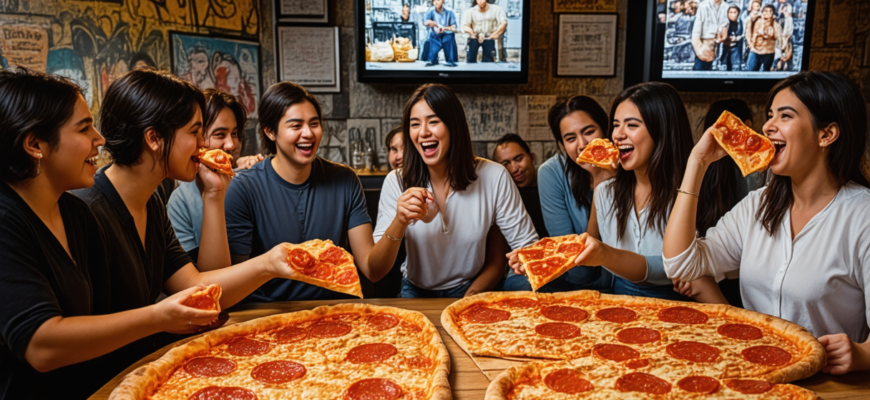
Sharing pizza fosters social bonds and community identity. This communal aspect is frequently depicted in media as a symbol of friendship and family. Pizzas are often central to gatherings, celebrations, and social rituals, reinforcing their importance in social cohesion.
The Future of Pizza in Pop Culture and Media
Emerging Trends and Technological Influences
Advancements like artificial intelligence, delivery robots, and virtual reality continue to influence how pizza is experienced and portrayed in media. Future trends may involve personalized pizzas through AI ordering, or VR experiences centered around pizza-making.
Continued Cultural Adaptation
As global tastes evolve, so will pizza variations and their cultural representations. The ability of pizza to adapt to local tastes ensures its ongoing relevance in media and pop culture.
The Enduring Legacy of Pizza in Pop Culture
Pizza’s journey from a simple street food to a symbol of entertainment, rebellion, and community underscores its profound impact on pop culture and media. Its versatility as a culinary staple allows it to transcend borders and cultural boundaries, becoming a tool for storytelling, humor, and social bonding. As media continues to evolve with technological innovations and global connectedness, pizza remains a dynamic and beloved icon, continually shaping and being shaped by popular culture worldwide.
Key Takeaways
- Pizza’s origins and global expansion contributed significantly to its cultural significance.
- Media portrayals in film, TV, and internet memes reinforce pizza’s status as a cultural icon.
- Marketing and advertising strategies leverage pizza’s pop culture appeal to influence consumer choices.
- Pizza symbolizes youth, rebellion, and social bonding across various societies.
- Its cultural adaptability fosters international variations that reflect local identities.
References and Further Reading
For those interested in exploring more about pizza’s cultural impact, consider examining works on culinary anthropology, media studies related to food, and books dedicated to the history of pizza worldwide.
Похожие записи:
 The Influence of Italian Immigrants on Global Pizza Culture
  The Marketing Strategies That Popularized Pizza Worldwide
  The Evolution of New York Thin-Crust Pizza: A Culinary Heritage of Flavor and Tradition
  The Influence of World Cuisines on Pizza Toppings: A Global Culinary Journey
  The Rise of American-Style Pizza in the 20th Century: A Delicious Cultural Transformation
  The Fascinating Journey of Pizza Chains and Their Worldwide Growth
  New York-Style Thin Crust Pizza: The Iconic Street Food of the Big Apple
  The Rise of Gluten-Free and Vegan Pizza Options: A Delicious Revolution
  The Emergence of Gourmet and Artisanal Pizza Chefs: Redefining a Classic Cuisine
  The Technological Innovations in Pizza Baking Techniques: Transforming Tradition into Modern Masterpieces
  The Role of Technology in Pizza Delivery Innovations: Transforming the Culinary Experience
  Discovering Czech Pizza: Delicious Variations and Traditional Toppings
  Margarita Pizza: Italy’s Timeless Classic
  Calzone: The Folded Pizza from Italy – A Delicious Journey into Italian Cuisine
  Roman Pizza al Taglio and Its Rectangular Slices: A Deep Dive into Tradition, Technique, and Tastes
  South African Queen Pizza with Local Flavors: A Tasty Fusion of Tradition and Innovation