
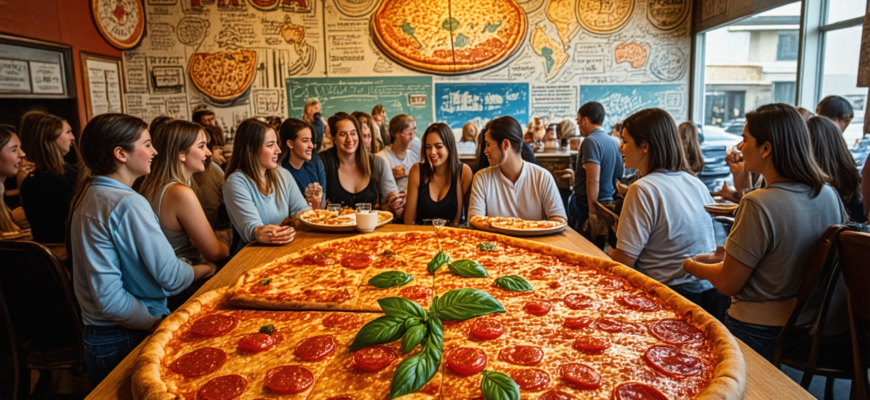
Pizza, one of the most popular and beloved dishes around the globe, has a rich history that extends far beyond its Italian origins. Over the decades, pizza chains have transformed from local pizzerias into major international brands, influencing culture, cuisine, and the global food industry. This comprehensive article explores the evolution of pizza chains, their origins, milestones of expansion, and the strategies behind their worldwide success.
- Origins of Pizza Chains: From Local Pizzerias to International Brands
- Early Beginnings in Italy
- The First American Pizza Establishments
- The Rise of Pizza Chains: Milestones and Pioneers
- Major Growth in the Post-War Era
- Key Pioneers in the Pizza Chain Industry
- Strategies Behind the Rapid Expansion of Pizza Chains
- Standardization and Branding
- Franchise Model
- Innovation and Adaptation
- Global Expansion of Pizza Chains
- Early International Forays
- Major International Players
- Pizza Hut
- Domino’s
- Papa John’s and Little Caesars
- Factors Influencing Global Success
- Challenges and Opportunities in Global Expansion
- Market Saturation and Competition
- Regulatory and Cultural Barriers
- Opportunities for Growth
- Future Trends in Pizza Chains and Global Expansion
- Emphasis on Sustainability and Health
- Technological Integration
- Expansion into New Markets
- Summary: The Continuous Evolution of Pizza Chains
Origins of Pizza Chains: From Local Pizzerias to International Brands
Early Beginnings in Italy
The story of pizza begins in Naples, Italy, in the late 19th century. Traditional Neapolitan pizza, characterized by simple ingredients like fresh tomatoes, mozzarella, basil, and dough, became a staple of Italian cuisine. While small pizzerias and street vendors served locals, the concept of a commercial pizza establishment remained largely regional until the 20th century.
The First American Pizza Establishments
The migration of Italians to the United States in the late 19th and early 20th centuries brought pizza to America. Initially, pizza was sold in Italian immigrant neighborhoods, often by small family-run businesses. The first known pizzeria in the U.S., Lombardi’s, opened in New York City in 1905 and is considered the pioneer of American pizza culture.
The Rise of Pizza Chains: Milestones and Pioneers
Major Growth in the Post-War Era
The period after World War II marked significant growth for pizza chains. Returning soldiers and growing urban populations in the U.S. created demand for convenient, affordable food options. This era saw the appearance of the first fast-food style pizzerias with standardized menus and branding.
Key Pioneers in the Pizza Chain Industry
| Year | Company | Notable Achievements |
|---|---|---|
| 1958 | Papa John’s | Founded in Louisville, Kentucky; focus on quality ingredients |
| 1960 | Pizza Hut | Founded in Wichita, Kansas; introduced the concept of large, pan-style pizzas |
| 1962 | Little Caesars | Established in Garden City, Michigan; famous for ‘Hot-N-Ready’ model |
| 1964 | Domino’s Pizza | Founder Tom Monaghan; pioneering pizza delivery system and franchise model |
Strategies Behind the Rapid Expansion of Pizza Chains
Standardization and Branding
One of the key strategies for pizza chains was standardizing recipes to ensure consistency across locations. Strong branding, memorable logos, and advertising campaigns also played a crucial role in establishing customer trust and loyalty.
Franchise Model
Adopting a franchise system allowed rapid scaling while minimizing financial risk for founders. Franchisees could open new outlets while adhering to corporate standards, broadening the reach of brands like Domino’s, Pizza Hut, and Little Caesars globally.
Innovation and Adaptation
- Menu diversification: Introducing new toppings, crust styles, and dietary options like gluten-free or vegan pizzas.
- Technological advancements: Implementing online ordering, apps, and delivery tracking.
- Cultural adaptation: Customizing pizza offerings to local tastes and preferences around the world.
Global Expansion of Pizza Chains
Early International Forays
American pizza chains began expanding abroad in the 1960s and 1970s. Early efforts targeted Canada, the UK, and parts of Asia. The success depended heavily on local market research and adaptation.
Major International Players
Pizza Hut
Founded in 1958 in the U.S., Pizza Hut rapidly expanded worldwide, opening outlets in more than 100 countries by the 1990s. Their approach included creating regional menu options and embracing local flavors.
Domino’s
With a focus on fast delivery and online convenience, Domino’s entered many international markets from the late 1980s onward. By 2000, Domino’s operated in over 50 countries, utilizing a franchise system to fuel growth.
Papa John’s and Little Caesars
Both brands expanded steadily across various continents, emphasizing quality ingredients and competitive pricing to gain market share.
Factors Influencing Global Success
- Cultural Sensitivity: Customizing pizzas with local ingredients, flavors, or toppings.
- Efficient Logistics: Establishing supply chains to ensure ingredient freshness worldwide.
- Localized Marketing: Tailoring advertising campaigns to regional cultures and traditions.
Challenges and Opportunities in Global Expansion
Market Saturation and Competition
As pizza chains expanded globally, they faced intense competition from both local pizzerias and other international brands. Differentiating offerings and maintaining quality proved critical to staying competitive.
Regulatory and Cultural Barriers
Different countries have varying regulations regarding food safety, labor laws, and business operations. Additionally, cultural differences influence dining habits and preferences, requiring adaptive strategies.
Opportunities for Growth
Emerging markets in Asia, Africa, and South America present vast growth potential. Increasing urbanization, rising disposable incomes, and changing lifestyles contribute to expanding demand for quick, convenient food options like pizza.
Future Trends in Pizza Chains and Global Expansion
Emphasis on Sustainability and Health
Environmental concerns and health consciousness are prompting chains to incorporate sustainable practices, eco-friendly packaging, and healthier menu options.
Technological Integration
Automation, artificial intelligence, and machine learning are shaping new ways to improve ordering efficiency, personalize customer experiences, and optimize delivery logistics.
Expansion into New Markets
- Remote regions: Introducing franchise opportunities where pizza demand is just emerging.
- Fusion cuisines: Combining pizza with other culinary traditions to create innovative offerings tailored for diverse palates.
- Delivery and online ordering growth: The rise of app-based ordering will continue to fuel expansion, especially in densely populated urban centers.
Summary: The Continuous Evolution of Pizza Chains
The journey of pizza chains from local neighborhood establishments to global giants mirrors broader trends in globalization, technological innovation, and consumer preferences. Their ability to adapt to local tastes, leverage efficient franchise models, and embrace innovations will determine their success in the ever-evolving world food industry. With more markets opening and consumer demand for convenience and variety expanding, pizza chains are poised to remain a cornerstone of global cuisine for decades to come.
The history of pizza chains is a testament to how a simple dish can evolve into a worldwide phenomenon. From humble beginnings in Italy to the sprawling network of international brands, each milestone along the way reflects ingenuity, strategic growth, and cultural integration. Whether through classic recipes or inventive fusion creations, pizza continues to delight millions of people across the globe, embodying the universal charm of comfort food with a diverse and dynamic history.
Похожие записи:
 The Marketing Strategies That Popularized Pizza Worldwide
  The Influence of Italian Immigrants on Global Pizza Culture
  The Influence of World Cuisines on Pizza Toppings: A Global Culinary Journey
  The Role of Technology in Pizza Delivery Innovations: Transforming the Culinary Experience
  The Evolution of New York Thin-Crust Pizza: A Culinary Heritage of Flavor and Tradition
  The Rise of American-Style Pizza in the 20th Century: A Delicious Cultural Transformation
  The Emergence of Gourmet and Artisanal Pizza Chefs: Redefining a Classic Cuisine
  Calzone: The Folded Pizza from Italy – A Delicious Journey into Italian Cuisine
  The Rise of Gluten-Free and Vegan Pizza Options: A Delicious Revolution
  Croatian Pizza with Mediterranean Influences: A Culinary Journey
  New York-Style Thin Crust Pizza: The Iconic Street Food of the Big Apple
  Chicago Deep-Dish Pizza and Its Hearty Layers: A Delicious Journey into Its Unique Structure
  Finnish Karjalanpiirakka with Its Regional Twist: A Delicious Journey Through History and Variations
  Roman Pizza al Taglio and Its Rectangular Slices: A Deep Dive into Tradition, Technique, and Tastes
  Discovering Azerbaijani Khachapuri Variations: A Regional Culinary Journey
  Swedish Spritz with Its Thin Crust and Savory Toppings: A Delicious Twist in Pizza Styles