
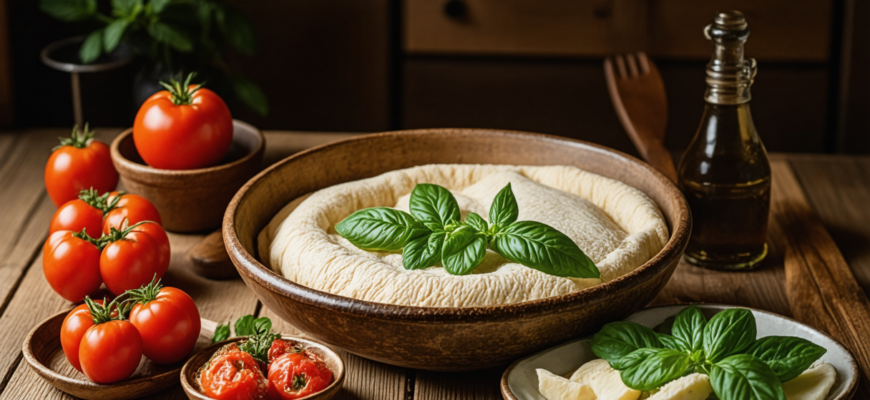
Pizza, a culinary masterpiece loved worldwide, has a rich and intriguing history that dates back centuries. While today’s pizzas come in countless varieties, from classic Margherita to innovative gourmet creations, their roots stretch back long before modern pizzerias appeared. In this comprehensive article, delve into the story of the first recorded pizza recipe—how it originated, evolved, and became the global phenomenon it is today. Learn about ancient culinary practices, early recipes, cultural influences, and how these elements shaped what we know as pizza today.
- Origins of Pizza: An Ancient Culinary Tradition
- Prehistoric Beginnings and Early Flatbreads
- Ancient Civilizations and the Development of Flatbreads
- Roman and Byzantine Contributions
- The Birth of Pizza in Ancient Italy
- Neapolitan Roots and the Emergence of Pizza Margherita
- The First Recorded Pizza Recipes
- Pizza Margherita and Its Historical Significance
- The Legend of Queen Margherita
- Historical Evidence and Debate
- The Evolution and Spread of Pizza
- From Street Food to International Cuisine
- Modern Variations and Global Popularity
- Ingredients and Basic Components of Early Pizza Recipes
- Basic Ingredients in Historical Context
- Formulas and Basic Preparation Steps
- Impact of Geography and Culture on Pizza Development
- Italy’s Culinary Heritage
- Influence of Trade and Global Exchanges
- Tracing the First Recorded Pizza Recipe to Today’s Delicious Variants
- Key Takeaways:
- References and Further Reading
Origins of Pizza: An Ancient Culinary Tradition
Prehistoric Beginnings and Early Flatbreads
The story of pizza begins in prehistoric times, where humans baked simple flatbreads made from crushed grains and water. These early forms of bread served as both food and utensil, providing nourishment and portability. Archeological findings suggest that flat, oven-baked breads were common in ancient civilizations across the Mediterranean, Middle East, and even Egypt. These rudimentary breads laid the foundation for later culinary developments.
Ancient Civilizations and the Development of Flatbreads
Ancient civilizations such as the Egyptians, Sumerians, and Babylonians began experimenting with adding various toppings and ingredients to these flatbreads. They used herbs, oils, cheeses, and meats to enhance flavor and nutrition. For instance, early Greeks made focaccia-like bread seasoned with herbs, sometimes topped with olives or other available ingredients, an early precursor to pizza.
Roman and Byzantine Contributions
The Romans took inspiration from Greek flatbreads, improving and spreading the concept across their empire. The Roman poet Virgil referenced flatbreads layered with toppings, reminiscent of pizza. During the Byzantine Empire, similar baked flatbreads evolved, often seasoned with aromatic herbs and olive oil.
The Birth of Pizza in Ancient Italy
Neapolitan Roots and the Emergence of Pizza Margherita
The true origins of pizza are often associated with Naples, Italy, in the 17th and 18th centuries. The region’s abundant tomatoes, cheese, and wheat created an ideal environment for developing pizza as we recognize it today. Early Neapolitan pizzas were simple, affordable street foods eaten by the working class. They combined basic ingredients—dough, tomato, and cheese—into a delicious and portable meal.
The First Recorded Pizza Recipes
Historical records reveal early recipes and mentions of pizza-like dishes in Italian documents. One of the earliest written references to a pizza recipe appears in Luca Annunziata’s 1830 cookbook, describing a basic flatbread topped with tomato and cheese. However, the most iconic moment in pizza’s recorded history is linked to the creation of Pizza Margherita in 1889.
Pizza Margherita and Its Historical Significance
The Legend of Queen Margherita
The story goes that in 1889, Queen Margherita of Savoy visited Naples. Chef Raffaele Esposito was asked to prepare a special dish honoring her. He created a pizza topped with ripe tomatoes, fresh mozzarella, basil, and olive oil—representing the colors of the Italian flag. This pizza was named Pizza Margherita in her honor and became a symbol of Italian national pride and culinary identity.
Historical Evidence and Debate
While the royal connection adds a romantic element, historians debate the accuracy of this story. Some suggest that pizza recipes similar to Margherita existed before, and the chef simply popularized an existing dish. Nonetheless, Pizza Margherita remains one of the earliest documented recipes that shaped modern pizza’s identity.
The Evolution and Spread of Pizza
From Street Food to International Cuisine
After gaining popularity in Naples, pizza slowly spread throughout Italy and eventually across the continent. Italian immigrants brought their culinary traditions to the United States and other countries, adapting pizza to local ingredients and tastes. New varieties emerged, each with unique toppings and preparation styles.
Modern Variations and Global Popularity
Today, pizza is an international phenomenon, with countless regional and international variations. Despite these developments, the core concept of baked dough with toppings remains unchanged from its ancient beginnings. Innovations such as deep-dish, thin crust, stuffed crust, and vegan options demonstrate the adaptability of this dish across cultures and dietary preferences.
Ingredients and Basic Components of Early Pizza Recipes
Basic Ingredients in Historical Context
| Ingredient | Historical Use | Modern Variations |
|---|---|---|
| Dough | Made from wheat flour, water, salt, and sometimes yeast, used as a basic base. | Includes whole wheat, gluten-free, and specialty flours. |
| Tomatoes | Treated as a new world ingredient post-1492, became central to pizza after Italian introduction. | Fresh, canned, sun-dried, or pureed; various preparations. |
| Cheese | Initially, soft cheeses like mozzarella, made from buffalo or cow milk. | Varieties include cheddar, gouda, vegan cheese, and more. |
| Herbs & Oils | Basil, oregano, and olive oil used for seasoning and flavoring. | Fresh herbs, flavored oils, and spice blends. |
Formulas and Basic Preparation Steps
While recipes varied, the general process for traditional pizza involved:
- Preparing the dough: Mix flour, water, salt, and yeast (if used), knead thoroughly, and allow rising.
- Shaping the base: Roll or stretch the dough into a flat circle or rectangle.
- Adding toppings: Spread tomato sauce, add cheese, herbs, and other available ingredients.
- Baking: Bake in a wood-fired or brick oven at high temperatures to achieve crispy crust and melted toppings.
Impact of Geography and Culture on Pizza Development
Italy’s Culinary Heritage
Italy’s regional diversity heavily influenced the evolution of pizza. Naples prioritized simple, fresh ingredients, leading to the creation of classic Margherita. Conversely, other regions introduced different ingredients, such as anchovies or prosciutto, leading to a variety of local styles.
Influence of Trade and Global Exchanges
The Columbian exchange introduced ingredients like tomatoes and chili peppers to Italy, revolutionizing Italian cuisine and paving the way for pizza varieties. Additionally, immigration patterns, especially to the United States, fostered creative adaptations and innovations.
Tracing the First Recorded Pizza Recipe to Today’s Delicious Variants
The story of pizza’s first recorded recipe underscores its origins as a humble flatbread evolving through millennia of cultural exchanges and culinary experimentation. From ancient flatbreads adorned with herbs and oils to the iconic Pizza Margherita, this dish embodies centuries of culinary artistry. Today, pizza continues to innovate and adapt, maintaining its roots while satisfying every taste—be it traditional or modern, simple or gourmet.
Key Takeaways:
- The earliest forms of pizza date back to prehistoric times as basic baked flatbreads.
- Ancient civilizations contributed to the development of toppings and baking techniques.
- Neapolitan pizza, specifically Pizza Margherita, is recognized as one of the first documented recipes resembling modern pizza.
- The global spread of pizza led to countless variations, reflecting local ingredients and tastes.
- Understanding its history enriches the appreciation for this beloved dish that continues to evolve worldwide.
References and Further Reading
- History of Pizza: From Ancient Flatbreads to Modern Classics — CulinaryHistory.org
- The Origins of Pizza — ItalianFoodLover.com
- Pizza Margherita and Its Legend — FoodHistory.net
- Global Variations of Pizza — WorldCuisineGuide.com
Похожие записи:
 The Evolution of Pizza Sauce Recipes Over Time: A Delicious Journey Through History
  The Fascinating Journey of Pizza Chains and Their Worldwide Growth
  The Technological Innovations in Pizza Baking Techniques: Transforming Tradition into Modern Masterpieces
  French Pissaladière with Caramelized Onions and Anchovies: A Classic Cuisine Delight
  Japanese Okonomiyaki with Pizza-Like Toppings: A Fusion of Flavors and Culinary History
  The Rise of American-Style Pizza in the 20th Century: A Delicious Cultural Transformation
  Sicilian Pizza: A Delicious Dive into Thick, Square Slices and Its Rich History
  The Influence of Italian Immigrants on Global Pizza Culture
  Margarita Pizza: Italy’s Timeless Classic
  The Emergence of Gourmet and Artisanal Pizza Chefs: Redefining a Classic Cuisine
  The Role of Local Ingredients in Regional Pizza Recipes: A Culinary Journey Across Cultures
  The Rise of Gluten-Free and Vegan Pizza Options: A Delicious Revolution
  The Influence of World Cuisines on Pizza Toppings: A Global Culinary Journey
  The Evolution of New York Thin-Crust Pizza: A Culinary Heritage of Flavor and Tradition
  Finnish Karjalanpiirakka with Its Regional Twist: A Delicious Journey Through History and Variations
  Roman Pizza al Taglio and Its Rectangular Slices: A Deep Dive into Tradition, Technique, and Tastes