
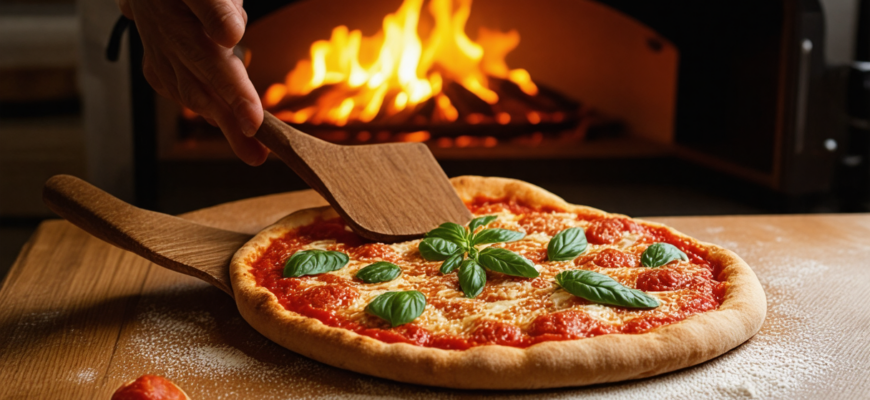
Creating perfect homemade pizza involves many skills, from preparing the dough to selecting high-quality ingredients, and finally baking it to golden perfection. One of the most crucial yet often overlooked tools in the pizza-making process is the pizza peel. This specialized implement can dramatically simplify the transfer of raw or baked pizza onto the hot baking surface, ensuring a seamless process and preventing common mistakes such as stretching, tearing, or dropping the pizza. In this comprehensive guide, explore everything you need to know about using a pizza peel effectively, including its types, techniques, tips, and troubleshooting advice.
- What Is a Pizza Peel and Why Is It Essential?
- Benefits of Using a Pizza Peel
- Types of Pizza Peels
- Wooden Pizzas Peels
- Metal Pizzas Peels
- Composite or Plastic-Resin Pizzas Peels
- Choosing the Right Size and Shape
- Preparing Your Pizza Peel for Use
- Techniques for Using a Pizza Peel
- Transferring Raw Pizza Dough to the Oven
- Removing Baked Pizza from the Oven
- Additional Tips for a Perfect Transfer
- Common Challenges and How to Overcome Them
- Formulas and Calculations Related to Pizza Transfer
- The Perfect Flour/ Semolina Coating
- Timing Tips Based on Oven Temperature
- Enhancing Your Homemade Pizza Skills
- Additional Resources and Recommendations
- Final Thoughts
What Is a Pizza Peel and Why Is It Essential?
A pizza peel is a flat, broad tool designed specifically for placing pizzas into and out of the oven. Typically made of wood, metal, or composite materials, the peel allows bakers to handle pizzas without disturbing their shape or toppings. Its primary function is to transport pizzas safely over the oven floor or pizza stone, especially when dealing with high-temperature environments.
Benefits of Using a Pizza Peel
- Ease of handling: Simplifies moving uncooked or baked pizza.
- Prevents sticking: The broad surface prevents dough from sticking during transfer.
- Maintains shape: Reduces risk of deformation when placing or removing pizza from the oven.
- Safety: Keeps hands away from direct contact with hot surfaces.
- Efficiency: Speeds up the baking process and improves workflow.
Types of Pizza Peels
The choice of a pizza peel depends on personal preference, baking style, and oven type. Here, are the main types:
Wooden Pizzas Peels
Traditional and classic, wooden peels are preferred for their gentle handling of delicate doughs. They are usually made from hardwoods like maple or cherry and have a slightly rough surface, which helps in sliding the pizza.
Metal Pizzas Peels
Made from stainless steel or aluminum, metal peels are durable and often thinner, making them easier to slide under pizza. They are ideal for high-temperature baking and professional settings.
Composite or Plastic-Resin Pizzas Peels
Combining features of wood and metal, these peels are lightweight, easy to clean, and resistant to warping.
Choosing the Right Size and Shape
Size matters when selecting a pizza peel. Typically:
- Small peels (12-14 inches): Suitable for personal-sized pizzas.
- Standard peels (14-16 inches): Good for medium-sized pizzas.
- Large peels (16-20 inches): Ideal for large pizzas and pizzeria settings.
Shape-wise, rectangular or oval peels are common, but round peels are also available, primarily for aesthetic reasons.
Preparing Your Pizza Peel for Use
Proper preparation can prevent sticking and ease the transfer process:
- Flour or Cornmeal Coating: Lightly dust the peel with flour, cornmeal, or semolina. These ingredients create a barrier preventing dough from sticking.
- Handling the Dough: Gently stretch and shape your dough on a floured surface. Ensure the surface is dry and evenly dusted before transferring.
- Assembling the Pizza: Place toppings carefully to avoid excess moisture or ingredients that can cause sticking or sliding.
Techniques for Using a Pizza Peel
Learning proper techniques is key to smooth, efficient transfers. Here are step-by-step instructions:
Transferring Raw Pizza Dough to the Oven
- Stretch or roll the dough to the desired size on a floured surface.
- Prepare the peel by dusting it with flour, cornmeal, or semolina.
- Gently slide the dough onto the peel, shaking lightly if needed to ensure it moves freely.
- Build your pizza on the peel, adding sauce, cheese, and toppings.
- Final check: Make sure the pizza slides easily and is centered.
- Transfer to oven: With a quick, confident motion, slide the pizza from the peel onto the preheated baking surface (stone or steel).
Removing Baked Pizza from the Oven
- Allow the pizza to cool slightly if necessary, to avoid burns.
- Slide the peel underneath the pizza carefully, using a gentle rocking motion if needed.
- Lift the pizza and transfer it to a cutting board or serving plate.
Additional Tips for a Perfect Transfer
- Practice makes perfect: Repeatedly practicing with small or repeatable pizzas helps develop confidence and skill.
- Use the right flour: Semolina or coarse cornmeal work best for sliding.
- Ensure proper oven preheating: A hot oven (ideally 250°C / 482°F or higher) minimizes sticking and ensures crisp crusts.
- Get close to the oven: Position yourself directly in front of the oven for a smooth, straight slide.
- Use a quick, decisive motion: Hesitation may cause the pizza to stick or slide off the peel.
Common Challenges and How to Overcome Them
| Problem | Possible Cause | Solution |
|---|---|---|
| Pizza sticks to the peel | Insufficient flour/cornmeal, dough too sticky | Dust the peel generously, use less moisture in toppings |
| Pizza slides off during transfer | Too much flour, dough too dry, or peel not angled correctly | Adjust flour amount, maintain a sharp angle, practice quick motion |
| Uneven baking or burnt crusts | Overloading toppings, oven too hot, uneven oven heat | Distribute toppings evenly, monitor oven temperature, rotate pizza if needed |
Formulas and Calculations Related to Pizza Transfer
The Perfect Flour/ Semolina Coating
To determine the right amount of flour or semolina for dusting, use this simple formula:
Amount (grams) = (Surface area of the peel in cm²) × (Desired thickness in grams/cm²)
Timing Tips Based on Oven Temperature
The optimal baking time depends on oven temperature and pizza thickness. Use this formula as a starting point:
Baking Time (minutes) ≈ (Thickness of pizza in mm) × (Constant factor based on oven heat)
Enhancing Your Homemade Pizza Skills
Mastering the art of using a pizza peel can significantly enhance the experience of homemade pizza baking. By selecting the right peel, preparing it properly, and practicing the transfer techniques outlined above, both amateur cooks and professional pizzaiolos can achieve restaurant-quality results at home. Remember, the key to success lies in patience, preparation, and practice, transforming the seemingly simple act of transferring pizza into a smooth, confident step that ensures crispy crusts, evenly cooked toppings, and overall culinary satisfaction.
Additional Resources and Recommendations
- Choosing between wooden and metal peels based on baking environment.
- Proper cleaning and maintenance of your pizza peel to ensure longevity.
- Tips for making your own pizza peel at home with inexpensive materials.
- Recommended brands and models for both beginners and professional chefs.
Final Thoughts
Whether baking in a traditional wood-fired oven or a modern electric pizza oven, using a pizza peel correctly is essential for achieving perfect results. With the knowledge and techniques shared in this guide, anyone can elevate their pizza-making game, delivering delicious, visually stunning pizzas that impress friends and family alike. The journey from dough to table becomes smoother, safer, and more enjoyable with the right tool and skillful handling, making each pizza a true masterpiece.
Похожие записи:
 Mastering Pizza Transfers: How Parchment Paper Simplifies Your Cooking Process
  Mastering Oven Temperatures: The Key to Perfect Baking Every Time
  Mastering Restaurant-Quality Pizzas at Home: The Ultimate Guide to Using a Pizza Stone
  Mastering Thin-Crust Pizza: Secrets to Achieve Perfect Crispiness and Tenderness
  Mastering the Art of Evenly Cooked Pizza Toppings Without Burning the Crust
  Mastering the Art of Stuffed Crusts: Techniques for Making Delicious Pizzas at Home
  Mastering Vegan and Vegetarian Pizza: Delicious Recipes and Culinary Inspiration
  Mastering Gluten-Free and Keto-Friendly Pizza Bases: Delicious Recipes and Tips
  Using a Grill to Achieve Smoky-Flavored Pizzas: The Ultimate Guide for Pizza Enthusiasts
  Choosing the Perfect Flour for Flawless Pizza Dough: A Complete Guide
  Ultimate Guide: Tips for Cooking Different Styles of Pizza at Home
  Creative Ways to Make Gluten-Free Pizza Crusts: Elevate Your Pizza Experience
  Neapolitan Pizza: The Art of Authentic Preparation
  Belgian Tarte Flambée: The Crisp and Delicious Classic
  The Technological Innovations in Pizza Baking Techniques: Transforming Tradition into Modern Masterpieces
  Discover the Perfect Georgian Mchadi with Toppings: A Delicious Traditional Bread to Complement Every Meal