
Making pizza at home can be a truly rewarding culinary adventure, allowing you to customize flavors, ingredients, and techniques to suit your tastes. However, to achieve that authentic, professional-quality pizza, it’s essential to have the right tools at your disposal. In this comprehensive guide, we’ll explore the critical equipment that transforms a simple home kitchen into a pizzeria, covering everything from traditional gadgets to innovative tools. Whether you’re a beginner or an experienced home cook, understanding and investing in these tools will significantly enhance your pizza-making process and results.
- Why Good Tools Matter in Pizza Making
- Essential Pizza-Making Tools at Home
- 1. Pizza Stone or Baking Steel
- 2. Pizza Peel (Wooden or Metal)
- 3. Dough Mixer or Stand Mixer
- 4. Dough Scraper / Bench Scraper
- 5. Rolling Pin or Dough Roller
- 6. Ruler or Dough Divider
- 7. Sharp Kitchen Knife or Pizza Cutter
- 8. Ingredient Prep Tools
- 9. Oven Thermometer
- Advanced Tools for Enthusiasts
- 10. Pizza Onyx or Cornmeal
- 11. Pizza Seasoning and Brushes
- 12. Proofing Baskets (Banana or Basket Proofing)
- Choosing the Right Tools: Tips and Recommendations
- Material and Durability
- Size and Compatibility
- Ease of Use and Maintenance
- Table Summarizing Essential Tools
- Building Your Pizza-Making Arsenal
- Additional Tips for Perfect Homemade Pizza
- Final Thoughts
Why Good Tools Matter in Pizza Making
While ingredients play a vital role in the taste and texture of homemade pizza, tools significantly influence the ease and quality of preparation. Proper equipment ensures even cooking, precise shaping, and efficient handling of dough and toppings. Good tools also help replicate the authentic experience of professional pizzerias, leading to more consistent and satisfying outcomes.
Essential Pizza-Making Tools at Home
1. Pizza Stone or Baking Steel
One of the most critical tools for achieving that perfectly crisp crust is a high-quality pizza stone or baking steel. These materials simulate the intense heat of traditional pizza ovens by absorbing and radiating heat evenly, which helps develop a superior crust with authentic texture.
- Pizza Stone: Made from ceramic or cordierite, it withstands high temperatures and promotes even baking.
- Barbecue Steel (Baking Steel): Metal steel heats quicker and can handle higher temperatures, providing exceptional heat conduction.
Usage Tips: Preheat the stone or steel in the oven at the highest temperature for at least 45 minutes before baking. Use a pizza peel to transfer the pizza onto the hot surface carefully.
2. Pizza Peel (Wooden or Metal)
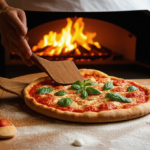
A pizza peel is an essential tool for transferring pizza dough to and from the oven or pizza stone. It ensures that the pizza remains intact during handling and helps achieve a professional finish.
- Wooden Peel: Often used for assembling the pizza, as it prevents sticking.
- Metal Peel: Slimmer design facilitates sliding a hot pizza out of the oven.
For best results, dust the peel lightly with flour or cornmeal to prevent sticking and make sliding the pizza easier.
3. Dough Mixer or Stand Mixer
Preparing the dough is a fundamental step where an electric mixer can save time and effort. Stand mixers equipped with a dough hook attachment allow for kneading the dough with consistent results, perfect for beginners and seasoned chefs alike.
- Handheld Mixer with Dough Hook: Suitable for small batches or those who prefer manual kneading.
- Stand Mixer: Ideal for larger batches and longer kneading processes.
4. Dough Scraper / Bench Scraper
This versatile tool helps divide, shape, and clean up the dough easily. It’s particularly useful for handling sticky dough and achieving uniform thickness.
5. Rolling Pin or Dough Roller
While some prefer tossing dough by hand, a rolling pin provides control over thickness and shape, especially for beginners or for flat, uniform crusts. Use it gently to avoid overworking the dough, which can affect texture.
6. Ruler or Dough Divider
To ensure evenly sized portions or a consistent pizza diameter, a ruler or specially designed divider helps measure dough balls accurately, leading to uniform pizzas every time.
7. Sharp Kitchen Knife or Pizza Cutter
Cutting freshly baked pizza should be both precise and clean. A sharp chef’s knife or a dedicated pizza cutter wheel makes slicing effortless, preventing tearing of the crust and ensuring neat slices.
8. Ingredient Prep Tools
Proper preparation of toppings is vital. Useful tools include:
- Mandoline Slicer: For slicing vegetables uniformly.
- Grater: To shred cheese efficiently.
- Small Bowls and Containers: To organize toppings during assembly.
9. Oven Thermometer
Many home ovens don’t display precise temperatures. An oven thermometer ensures your oven operates at the desired high heat (ideally 250°C/482°F or higher), crucial for truly authentic, crisp, and evenly baked pizza crusts.
Advanced Tools for Enthusiasts
For those looking to elevate their pizza game further, consider investing in specialized equipment:
10. Pizza Onyx or Cornmeal
While not physical tools, these lightly dusted powders help prevent sticking and facilitate smooth transfer of the pizza dough during baking.
11. Pizza Seasoning and Brushes
High-quality herbs, oil brushes, and seasoning shakers add flavor and aroma right before baking, giving that professional finish.
12. Proofing Baskets (Banana or Basket Proofing)
These help dough rise uniformly and develop great crust structure, especially if you prefer artisan-style pizzas with deep flavors.
Choosing the Right Tools: Tips and Recommendations
Material and Durability
Opt for tools made from durable materials such as stainless steel, sturdy wood, or high-quality ceramics. While premium tools may have a higher upfront cost, they often last longer and deliver better results.
Size and Compatibility
Consider the size of your oven and available workspace. Smaller kitchens may benefit from compact, multi-use tools, whereas larger kitchens can accommodate full-sized equipment like a baking steel.
Ease of Use and Maintenance
Tools should be easy to clean, store, and handle. Non-stick surfaces, removable parts, and dishwasher-safe items simplify the process.
Table Summarizing Essential Tools
| Tool | Purpose | Material Options | Recommended For |
|---|---|---|---|
| Pizza Stone / Steel | Crust development | Ceramic, Cordierite, Steel | All home bakers seeking crisp crusts |
| Pizza Peel | Transferring pizza | Wood, Metal | All bakers, especially beginners |
| Stand Mixer | Kneading dough | Stainless steel, plastic | Amateurs and enthusiasts |
| Dough Scraper | Dividing and shaping dough | Metal, plastic | All levels |
| Rolling Pin | Shaping dough | Wood, silicone, marble | Beginners and casual bakers |
| Oven Thermometer | Temperature accuracy | Stainless steel, analog/digital | All home chefs |
Building Your Pizza-Making Arsenal
Creating delicious, authentic pizza at home is both an art and a science. By equipping your kitchen with the right tools—ranging from essential gadgets like pizza stones and peel to specialized utensils—you set yourself up for success and enjoyment. Remember, the quality of tools directly impacts the quality of your final product. Start with the basics and gradually expand your collection as your skills develop. With patience, practice, and proper equipment, your home kitchen can become a personal pizzeria capable of satisfying every pizza craving with templates of crispy crusts, flavorful toppings, and perfect slices.
Additional Tips for Perfect Homemade Pizza
- Preheat your oven thoroughly before baking to mimic high-temperature pizza ovens.
2. Use high-protein flour to develop strong gluten networks for elasticity and chewiness.
3. Don’t overload your pizza with toppings—less is often more for balanced flavor and texture.
4. Experiment with different baking surfaces and temperatures to find your ideal crust.
5. Practice shaping and stretching dough to achieve the perfect thin or thick crust, depending on your preference.
Final Thoughts
Making pizza at home can be transformed from a simple meal to a delightful experience by investing in the right tools. Whether you are aiming for a classic Neapolitan pizza or a thick, hearty deep-dish variation, the proper equipment will help bring out the best in your ingredients and techniques. Enjoy the process of creating and refining your own pizza recipes, and soon, your kitchen will become the favorite pizzeria among friends and family. Remember, the journey to the perfect homemade pizza begins with the right tools—so equip yourself wisely and enjoy every delicious slice!
Похожие записи:
 The Evolution of Pizza-Specific Ovens and Tools: A Deep Dive into Culinary Innovation
  Mastering Restaurant-Quality Pizzas at Home: The Ultimate Guide to Using a Pizza Stone
  Ultimate Guide: Tips for Cooking Different Styles of Pizza at Home
  Mastering the Art of Stuffed Crusts: Techniques for Making Delicious Pizzas at Home
  Creative Ways to Make Gluten-Free Pizza Crusts: Elevate Your Pizza Experience Secret Tips for Achieving a Crispy Crust at Home: The Ultimate Guide to Perfect Pizzas
  Mastering the Art of Pizza Parties: How to Host an Unforgettable Pizza-Making Gathering at Home
  Mastering Pizza Craft: How to Use a Pizza Peel for Effortless Oven Transfer Enhancing Pizza Toppings: The Art of Using Flavored Oils to Elevate Every Bite
  Mastering the Art of Evenly Cooked Pizza Toppings Without Burning the Crust Using Fresh vs Canned Toppings for Optimal Flavor: A Complete Guide to Elevate Your Pizza Mushroom and Thyme: A Woodland-Inspired Flavor Experience for Gourmet Pizzas Mastering the Art of Perfect Pizza Crusts: How to Prevent a Soggy Bottom Mastering the Art of Pizza Topping Balance: Top Techniques to Avoid Overloading
  Mastering Homemade Pizza Dough: Expert Tips for Perfect Results
  Mastering Thin-Crust Pizza: Secrets to Achieve Perfect Crispiness and Tenderness