
Creating the perfect pizza begins long before the oven is turned on. The foundation of any great pizza is its dough—a delicate layer that, when handled correctly, transforms into a crispy, airy crust that complements the toppings perfectly. Among the most crucial skills in pizza making is the art of stretching the dough without tearing it. This process requires patience, technique, and an understanding of the dough’s characteristics. In this comprehensive guide, discover proven methods, practical tips, and essential secrets to master the craft of stretching pizza dough flawlessly.
- Understanding Pizza Dough: Composition and Behavior
- Key Ingredients and Their Roles
- The Science of Gluten Development
- Preparing Dough for Proper Stretching
- 1. Rest and Fermentation
- 2. Proper Hydration Level
- 3. Use of Proper Flour
- Techniques for Stretching Pizza Dough Without Tearing
- H2>Manual Hand-Stretching Method
- Step-by-Step Guide:
- Tips for Successful Hand-Stretching
- Other Methods of Pizza Dough Stretching
- Using a Rolling Pin
- Balloon Technique
- Common Mistakes and How to Avoid Them
- Quantitative Measures for Optimal Dough Handling
- Hydration Formula
- Gluten Development Indicators
- Best Practices for Achieving Perfectly Stretched Pizza Dough
- Final Tips and Secrets from the Pros
- Tables, Formulas, and Summary
- Summary Table of Key Techniques
- Useful Formula Recap
Understanding Pizza Dough: Composition and Behavior
Before delving into stretching techniques, it’s important to understand what makes up pizza dough and how it behaves during handling. Pizza dough is primarily composed of flour, water, yeast, salt, and sometimes olive oil or sugar. The gluten network formed during kneading gives the dough its elasticity and strength, enabling it to stretch without tearing—if prepared correctly.
Key Ingredients and Their Roles
- Flour: Provides the structure; high-gluten flours like bread flour are preferred for elasticity.
- Water: Activates gluten and yeast; hydration level affects dough extensibility.
- Yeast: Ferments, creating gases that make the dough rise and develop texture.
- Salt: Enhances flavor and strengthens gluten structure.
- Olive oil: Adds richness and improves extensibility.
The Science of Gluten Development
Gluten formation is critical for stretching the dough. This protein network gives the dough its elastic and extensible qualities. Proper kneading aligns gluten strands, while overworking can cause the dough to become tough. Conversely, under-kneading results in weak gluten formation, leading to tearing when stretching.
Preparing Dough for Proper Stretching
Effective stretching begins with proper dough preparation. Here are essential steps to ensure your dough is ready for handling:
1. Rest and Fermentation
Allowing the dough to rest after kneading facilitates gluten relaxation, making it easier to stretch. Typically, a resting period of 1 to 2 hours at room temperature—up to 24 hours in the refrigerator—enhances dough extensibility and flavor.
2. Proper Hydration Level
The hydration ratio (water to flour) influences how elastic and easy to stretch the dough is. A typical hydration level for pizza dough ranges from 60% to 70%. Higher hydration yields softer, more extensible dough, but may require more skill to handle.
3. Use of Proper Flour
High-gluten, bread, or Tipo 00 flour are preferred for their superior extensibility and strength, reducing the risk of tearing during stretching.
Techniques for Stretching Pizza Dough Without Tearing
Mastering the stretching process involves selecting the appropriate techniques based on dough consistency and personal comfort. The main methods include hand-stretching, tossing, and using tools like rolling pins—though the hand-stretching method is most revered for its authenticity and texture.
H2>Manual Hand-Stretching Method
This traditional approach relies on skill and gentle handling to elongate the dough.
Step-by-Step Guide:
- Pre-shape the dough: After the initial fermentation, punch down the dough gently and divide into individual portions.
- Rest the dough balls: Allow them to rest for another 15-20 minutes, which relaxes gluten and makes stretching easier.
- Flour the surface: Lightly dust your working surface and hands with flour or fine semolina to prevent sticking.
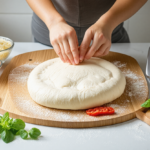
- Start with pressing: Use your fingertips to gently press from the center outward, forming a disc.
- Stretch using your hands: Lift the dough by the edges with hands cupped underneath, gently pulling and rotating to achieve an even, circular shape.
- Work gradually: Don’t force the dough; if resistance occurs, let it rest for a few minutes before continuing.
- Thigh/arm stretch (optional): For experienced pizzaiolos, tossing the dough in the air can help stretch it evenly—though this requires practice to avoid tearing.
Tips for Successful Hand-Stretching
- Use gentle, consistent pressure; avoid pressing too hard.
- Rotate the dough regularly to maintain even thickness and shape.
- If the dough begins to thin too much or tears, set it aside to rest for another 5-10 minutes.
- Ensure your work surface and dough are lightly floured but not overly dusted, which can affect texture.
- Handle the dough with care, especially near the edges where tearing is most common.
Other Methods of Pizza Dough Stretching
Using a Rolling Pin
While rolling pins can quickly flatten dough, they tend to produce a less airy crust. For thin crusts, rolling is suitable but may restrict the dough’s ability to expand during baking.
Balloon Technique
This involves gently inflating the dough like a balloon to stretch it evenly. It requires some skill and control but can produce a uniformly thin crust.
Common Mistakes and How to Avoid Them
Even experienced cooks can encounter issues when stretching dough. Recognize these common mistakes to improve your technique:
- Tearing the dough: Often caused by insufficient gluten development or overhandling; ensure proper kneading and rest periods.
- Uneven thickness: Rotating the dough regularly and applying consistent pressure helps achieve uniformity.
- Sticking to the surface: Use adequate flour or semolina and avoid over-flouring, which can make handling cumbersome.
- Forcing the stretch: If resistance is too high, let the dough rest briefly before proceeding.
Quantitative Measures for Optimal Dough Handling
Understanding some basic formulas and measurements can improve control over your dough’s behavior.
Hydration Formula
Hydration level = (Water weight / Flour weight) × 100%
Example: For 500g flour and 350g water: (350 / 500) × 100% = 70%
Gluten Development Indicators
While there’s no precise formula, visual and tactile cues include:
- Dough becomes smooth and elastic.
- It springs back slowly when pressed with a finger.
- It resists tearing during stretching.
Best Practices for Achieving Perfectly Stretched Pizza Dough
The following best practices collectively contribute to mastering this essential skill:
- Prepare the dough ahead of time and allow adequate fermentation and resting.
- Use high-quality flour suitable for pizza dough.
- Hydrate dough at the right level to achieve optimal extensibility.
- Handle with care; avoid overworking or rushing the process.
- Rest the dough if resistance or tearing occurs during stretching.
Final Tips and Secrets from the Pros
- Temperature matters: Room temperature dough stretches more easily than cold dough straight from the fridge.
- Gentle patience: Rushing the process increases the likelihood of tears and frustration.
- Practice makes perfect: Regular practice improves dexterity and understanding of dough behavior.
- Use visual cues: Look for an even, thin, and bubbly crust as indicators of proper stretch.
Mastering the art of stretching pizza dough without tearing is a blend of science, technique, and patience. Understanding the dough’s composition, preparing it properly, and applying the correct handling methods can significantly enhance the quality of your homemade pizza. Whether you prefer traditional hand-stretching, tossing, or using other tools, these tips serve as a foundation for creating perfectly stretched dough every time. With time, practice, and attention to detail, even novice cooks can achieve professional-level results and enjoy delicious, evenly crafted pizzas with crisp, airy crusts that elevate any topping combination.
Tables, Formulas, and Summary
Summary Table of Key Techniques
| Technique | Advantages | Best For |
|---|---|---|
| Hand-Stretching | Authentic texture, control | Traditional pizzas, artisanal styles |
| Tossing | Even stretch, impressive look | Entertainment, skill building |
| Rolling Pin | Fast, uniform thickness | Thin crusts, quick prep |
Useful Formula Recap
- Hydration percentage: (Water / Flour) × 100%
- Gluten quality indicator: Dough’s elasticity, spring-back test
Applying these principles consistently will lead to improved skills in dough handling and elevate the homemade pizza experience to professional levels.
Похожие записи:
 Mastering Homemade Pizza Dough: Expert Tips for Perfect Results
  Mastering Dough Fermentation: Secrets to Achieve the Perfect Pizza Crust
  Mastering Thin-Crust Pizza: Secrets to Achieve Perfect Crispiness and Tenderness Mastering the Art of Stuffed and Deep-Dish Pizzas: Techniques, Tips, and Recipes
  Mastering the Art of Achieving the Perfect Rise for Your Pizza Crust
  Choosing the Perfect Flour for Flawless Pizza Dough: A Complete Guide
  Mastering the Art of Stuffed Crusts: Techniques for Making Delicious Pizzas at Home
  Mastering Gluten-Free and Keto-Friendly Pizza Bases: Delicious Recipes and Tips
  Ultimate Guide: Tips for Cooking Different Styles of Pizza at Home
  Ultimate Guide to Troubleshooting Common Pizza Baking Problems: Tips & Solutions
  Mastering Pizza Craft: How to Use a Pizza Peel for Effortless Oven Transfer
  Mastering Pizza Transfers: How Parchment Paper Simplifies Your Cooking Process
  Mastering Restaurant-Quality Pizzas at Home: The Ultimate Guide to Using a Pizza Stone How to Create a Flavorful Homemade Tomato Sauce: Secrets for the Perfect Pizza Base
  Mastering Vegan and Vegetarian Pizza: Delicious Recipes and Culinary Inspiration
  Mastering the Art of Evenly Cooked Pizza Toppings Without Burning the Crust