
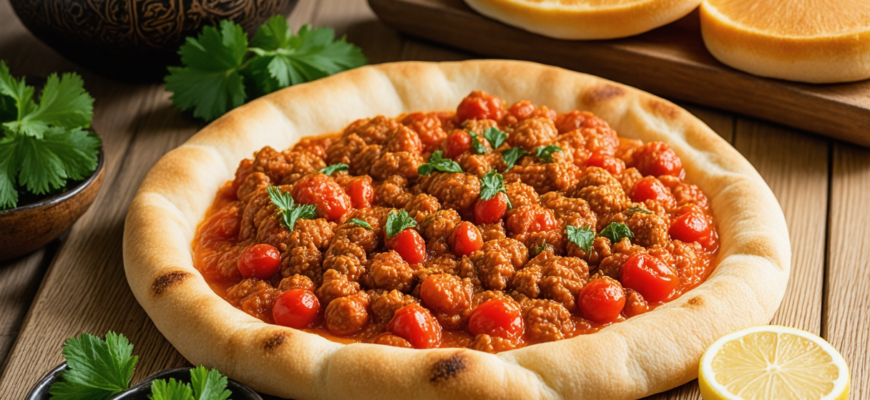
Within the rich tapestry of global culinary traditions lies a vibrant and savory dish known as lahmajoon, a beloved Armenian delicacy that has captured the hearts and taste buds of many. Often referred to as Armenian pizza due to its shape and method of preparation, lahmajoon offers an unparalleled combination of flavors, textures, and cultural history. In this comprehensive guide, explore the origins, traditional and modern recipes, cooking techniques, and the spicy meat topping that elevates this dish to new heights of flavor.
- Origins and Cultural Significance of Armenian Lahmajoon
- The Historical Roots of Lahmajoon
- Traditional Ingredients and Variations
- The Spicy Meat Topping: Key to Flavor
- Ingredients for the Spicy Meat Topping
- Preparation Steps for the Spicy Meat Topping
- Preparing the Dough for Lahmajoon
- Ingredients
- Step-by-Step Dough Preparation
- Assembly and Baking
- Shaping the Lahmajoon
- Adding the Spicy Meat Topping
- Baking Techniques
- Baking Process
- Traditional and Modern Serving Suggestions
- Presentation Ideas
- Health Benefits and Nutritional Value
- Variations and Creative Twists
- Vegetarian Lahmajoon
- Spice Level Adjustments
- Fusion Recipes
- Summary Table: Key Steps to Make Armenian Lahmajoon with Spicy Meat Topping
- A Culinary Journey to Armenia
Origins and Cultural Significance of Armenian Lahmajoon
The Historical Roots of Lahmajoon
Lahmajoon traces its origins to the mountainous regions of Armenia and neighboring Middle Eastern countries such as Turkey, Lebanon, and Syria. Its name derives from the Arabic word “lahm,” meaning meat, and the Persian suffix “-oon,” indicating a small or snack-sized dish. Historically, lahmajoon was prepared as a quick and nutritious street food, suitable for travelers, shepherds, and families alike.
This dish is a cornerstone of Armenian cuisine, often served during communal gatherings, celebrations, and religious festivals. Its preparation emphasizes hospitality, sharing, and the use of locally sourced ingredients. Over centuries, it has become an emblem of Armenian culinary identity and a symbol of cultural resilience, especially in diaspora communities worldwide.
Traditional Ingredients and Variations
While the core ingredients of lahmajoon remain consistent, regional and family variations enrich its culinary diversity. The key components include:
- Thin flatbread: Usually made from simple dough of flour, water, salt, and sometimes a bit of yeast or yogurt for softness.
- Meat topping: Traditionally minced lamb or beef, seasoned with aromatic herbs and spices.
- Herbs and spices: Parsley, sumac, paprika, cumin, and often garlic are used to flavor the topping.
- Additional toppings: Some recipes include chopped onions, tomato paste, or hot peppers for extra flavor.
Variations may include vegetarian options with eggplant or mushrooms, but the meat version remains the most traditional and popular.
The Spicy Meat Topping: Key to Flavor
Ingredients for the Spicy Meat Topping
| Ingredient | Quantity / Notes |
|---|---|
| Minced lamb or beef | 500 grams |
| Onion, finely chopped | 1 medium |
| Garlic cloves, minced | 2-3 cloves |
| Tomato paste | 2 tablespoons |
| Red pepper flakes (or cayenne) | 1 teaspoon |
| Cumin powder | 1 teaspoon |
| Smoked paprika | 1 teaspoon |
| Ground black pepper | to taste |
| Fresh parsley, chopped | 1/4 cup |
| Salt | to taste |
Preparation Steps for the Spicy Meat Topping
- Sauté the aromatics: In a skillet, heat some oil and cook the chopped onions and minced garlic until translucent.
- Add the meat: Introduce the minced beef or lamb, breaking it apart with a spatula, and cook until browned thoroughly.
- Flavor it up: Stir in tomato paste, red pepper flakes, cumin, paprika, black pepper, and salt. Mix well.
- Simmer: Reduce heat and let the mixture simmer for about 10 minutes, allowing flavors to meld.
- Finish with herbs: Remove from heat and stir in chopped parsley for freshness.
Preparing the Dough for Lahmajoon
Ingredients
- 2 1/2 cups all-purpose flour
- 1 teaspoon salt
- 1 teaspoon sugar
- 1 teaspoon dry yeast
- 1 cup warm water
- 2 tablespoons olive oil
Step-by-Step Dough Preparation
- Activate yeast: Mix warm water, sugar, and yeast in a bowl. Let sit until frothy, about 5-10 minutes.
- Combine dry ingredients: In a large mixing bowl, whisk flour and salt.
- Form the dough: Add the yeast mixture and olive oil to dry ingredients. Knead until smooth and elastic, about 8-10 minutes.
- Proof the dough: Cover with a damp cloth and let rise in a warm place for approximately 1 hour, or until doubled in size.
Assembly and Baking
Shaping the Lahmajoon
Once the dough has risen, divide it into small balls (about the size of a tennis ball). Roll each ball into a thin, oval or round shape, approximately 25-30 cm in diameter. The key is to keep the dough very thin to achieve the characteristic crispness of authentic lahmajoon.
Adding the Spicy Meat Topping
- Spread a thin layer of the prepared spicy meat mixture evenly over the rolled dough, leaving a small border around the edges.
- Optionally, sprinkle additional herbs or red pepper flakes on top for extra heat and flavor.
Baking Techniques
Traditional method involves baking lahmajoon in a wood-fired oven at high temperatures (around 300°C/572°F). For home baking, a preheated convection oven or pizza stone ensures optimal results.
| Oven Temperature | Duration |
|---|---|
| 250°C – 300°C (482°F – 572°F) | 7-10 minutes |
Baking Process
- Preheat the oven and baking surface (pizza stone or baking sheet).
- Place the assembled lahmajoon on the hot surface carefully.
- Bake until the edges are crispy and the meat topping is bubbly, about 7-10 minutes.
- Remove from oven, let cool slightly, and serve hot.
Traditional and Modern Serving Suggestions
Authentic Armenian lahmajoon is typically served hot, garnished with fresh herbs like parsley and a squeeze of lemon. It pairs well with fresh vegetables, pickles, and yogurt or ayran—a traditional salted yogurt drink.
Presentation Ideas
- Classic Style: Cut into slices and serve on a platter with lemon wedges.
- Wraps: Roll lahmajoon in flatbread with fresh herbs and vegetables for a quick snack.
- With Dips: Accompany with hummus, baba ganoush, or spicy pepper sauce.
Health Benefits and Nutritional Value
While lahmajoon is a rich and flavorful dish, it also offers nutritional benefits when prepared with quality ingredients:
- High in protein from meat
- Rich in vitamins and minerals from herbs and vegetables
- Good source of carbohydrates for energy
- Healthy fats from olive oil
Modifications such as using lean meat or incorporating additional vegetables can make the dish even healthier, catering to various dietary needs.
Variations and Creative Twists
Vegetarian Lahmajoon
Substituting meat with finely chopped vegetables such as eggplant, mushrooms, or even lentils creates a delicious vegetarian version that retains the traditional flavor profile.
Spice Level Adjustments
Adjust the amount of red pepper flakes, cayenne, or hot sauce to suit individual spice preferences. For a milder taste, reduce or omit the chili components.
Fusion Recipes
Modern chefs experiment by adding cheese, different herbs, or international spices, blending tradition with contemporary flavors. These creative versions can appeal to diverse palates.
Summary Table: Key Steps to Make Armenian Lahmajoon with Spicy Meat Topping
| Step | Description |
|---|---|
| Prepare the dough | Mix ingredients, knead, and let rise |
| Make the spicy meat topping | Cook seasoned minced meat until flavorful |
| Shape the dough | Roll into thin rounds or ovals |
| Assemble | Spread topping evenly over the dough |
| Bake | High-temperature baking until crispy |
| Serve | Garnish and enjoy hot |
A Culinary Journey to Armenia
Arguably one of the most emblematic dishes of Armenian cuisine, lahmajoon with its spicy meat topping encapsulates centuries of culinary tradition, cultural identity, and communal sharing. Its simple ingredients belie a complex flavor profile that delights the senses, making it a perfect dish for those seeking authentic and flavorful experiences. Whether prepared in traditional wood-fired ovens or modern kitchens, lahmajoon remains a testament to Armenian hospitality and craftsmanship, inviting all to savor a slice of history with every bite.
In exploring the art of crafting this dish, one discovers not just a recipe, but a cultural heritage passed through generations, constantly evolving yet rooted in its rich origins. For food lovers and culinary explorers alike, Armenian lahmajoon with spicy meat topping offers a delicious bridge to the past and a delightful addition to any modern menu.
Похожие записи:
 Discover the Bold Flavors of Serbian Pizza with Spicy Sausage and Peppers
  Ukrainian Pyrizhky with Savory Fillings: A Delicious Tradition
  South African Queen Pizza with Local Flavors: A Tasty Fusion of Tradition and Innovation
  Irish Potato Bread Topped with Smoked Salmon: A Delicious Fusion of Tradition and Elegance
  Mexican Tlayuda and Its Rustic Toppings: A Deep Dive into a Unique Culinary Tradition
  Albanian Flia with Layered Fillings: A Delicious Twist on Traditional Pizzas
  Finnish Karjalanpiirakka with Its Regional Twist: A Delicious Journey Through History and Variations
  Brazilian Pizza with Unique Tropical Ingredients: A Delicious Fusion of Flavors
  Roman Pizza al Taglio and Its Rectangular Slices: A Deep Dive into Tradition, Technique, and Tastes
  Calzone: The Folded Pizza from Italy – A Delicious Journey into Italian Cuisine
  Sicilian Pizza: A Delicious Dive into Thick, Square Slices and Its Rich History
  Lebanese Manakish with Za’atar and Cheese: A Delicious Twist on Traditional Pizzas
  Discovering Czech Pizza: Delicious Variations and Traditional Toppings
  Swedish Spritz with Its Thin Crust and Savory Toppings: A Delicious Twist in Pizza Styles
  Maltese Ftira with Local Flavors: A Delicious Twist on Traditional Pizza
  Belgian Tarte Flambée: The Crisp and Delicious Classic