
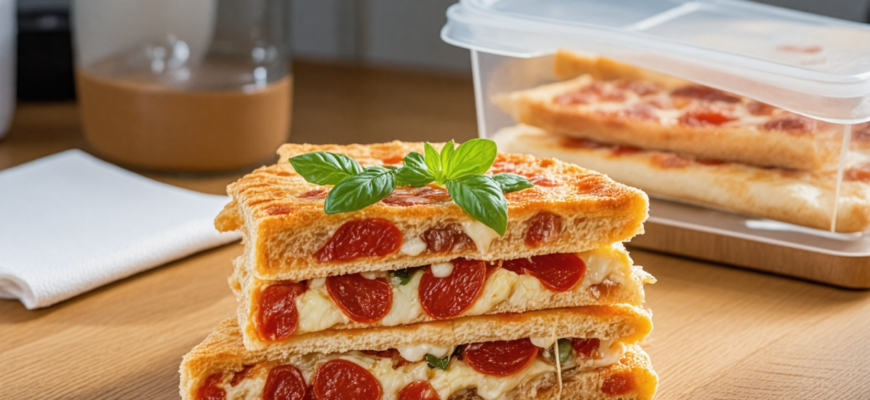
Pizza is a beloved dish worldwide, appreciated for its versatility, rich flavors, and convenience. Whether you’ve ordered a large pie for a family gathering or cooked a homemade batch, leftovers are common. Proper storage is essential to preserve the taste, texture, and overall quality of leftover pizza. In this comprehensive guide, you’ll find expert tips, techniques, and practical advice on how to store pizza effectively, ensuring it remains delicious for subsequent meals.
- Understanding Why Pizza Loses Quality When Stored
- Proper Methods for Storing Leftover Pizza
- 1. Immediate Cooling and Packaging
- 2. Optimal Storage Temperature
- 3. Freezing Leftover Pizza
- Best Practices for Reheating Leftover Pizza
- 1. Reheating Without Soggy Crust
- 2. Step-by-Step Reheating Techniques
- Oven/Reheat Plate Method
- Skillet Method
- Microwave Method (for fast reheating)
- Additional Tips for Preserving Pizza Quality
- 1. Use Paper Towels to Control Moisture
- 2. Avoid Repeated Reheating
- 3. Reheat with Cheese Side Down (Optional)
- Comparative Summary: Storing and Reheat Tips
- Common Mistakes to Avoid While Storing Pizza
- Ensuring Delicious Leftovers
- FAQ
- How long can I store pizza in the fridge?
- Is it safe to reheat frozen pizza directly from the freezer?
- Can I reheat pizza in a microwave with cheese side down?
- What is the best way to keep leftover pizza crispy?
Understanding Why Pizza Loses Quality When Stored
Before diving into storage tips, it’s important to understand what causes pizza to deteriorate after initial preparation. Several factors influence the texture and flavor of leftover pizza:
- Moisture evaporation: Air exposure leads to dehydration, making crust dry and chewy.
- Oxidation and spoilage: Exposure to oxygen can cause the toppings and cheese to spoil faster.
- Reheating impact: Improper reheating can make the crust soggy or overly tough.
- Temperature fluctuations: Repeated temperature changes accelerate bacterial growth and taste loss.
Therefore, ideal storage aims to control moisture, prevent spoilage, and facilitate reheating without compromising the pizza’s original texture and flavor.
Proper Methods for Storing Leftover Pizza
1. Immediate Cooling and Packaging
As soon as the pizza has cooled to room temperature, it should be stored promptly. Leaving pizza out for extended periods increases the risk of bacterial growth and spoilage. Wrap leftovers tightly to prevent air exposure:
- Use airtight containers: Plastic or glass containers with tight-fitting lids.
- Wrap with aluminum foil or plastic wrap: For quick storage, especially if only a few slices.
2. Optimal Storage Temperature
Pizza should be stored in the refrigerator at a temperature of 4°C (39°F) or lower. This temperature slows bacterial growth and helps maintain food safety. For longer storage, freezing is recommended, which can preserve pizza for up to 1–2 months without significant quality loss.
3. Freezing Leftover Pizza
Freezing is the best way to prolong storage without losing taste and texture. Here’s how to do it:
- Portion: Divide pizza into individual or meal-sized portions for easier reheating.
- Wrap tightly: Use plastic wrap, followed by aluminum foil, or vacuum-seal for optimal preservation.
- Label and date: Use a permanent marker to note the date of freezing.
Note: Avoid stacking unwrapped slices, as this can cause sticking and damage the crust.
Best Practices for Reheating Leftover Pizza
1. Reheating Without Soggy Crust
The main challenge when reheating pizza is maintaining a crispy crust. Traditional microwave reheating often results in sogginess, but there are better options:
| Reheating Method | Pros | Cons |
|---|---|---|
| Oven or Toaster Oven | Best for crispy crust and even heating. | Take longer than microwave. |
| Skillet (Stovetop) | Quick and can restore crispness beautifully. | Requires attention during reheating. |
| Microwave (few seconds) | Fastest method. | Often results in soggy crust. |
2. Step-by-Step Reheating Techniques
Oven/Reheat Plate Method
- Preheat oven to 180°C (355°F).
- Place pizza slices directly on a baking sheet or on a wire rack for even crispness.
- Heat for 10–15 minutes until the cheese bubbles and crust is crispy.
Skillet Method
- Preheat a non-stick skillet over medium heat.
- Place the pizza slice in the skillet.
- Cover with a lid or foil to help melt the cheese.
- Cook for 5–8 minutes until the crust is crisp and cheese is hot.
Microwave Method (for fast reheating)
- Place the pizza slice on a microwave-safe plate.
- Place a cup of water nearby to add moisture.
- Heat on medium power for 30–45 seconds.
- Check and reheat in short bursts if necessary.
Additional Tips for Preserving Pizza Quality
1. Use Paper Towels to Control Moisture
When storing pizza, placing a paper towel inside the container can absorb excess moisture, preventing sogginess.
2. Avoid Repeated Reheating
Repeated heating and cooling cycles deteriorate texture and flavor. Aim to reheat only the portion you plan to eat.
3. Reheat with Cheese Side Down (Optional)
Turning the pizza slice cheese side down while reheating can help prevent the toppings from drying out and the crust from becoming soggy.
Comparative Summary: Storing and Reheat Tips
| Storage Method | Ideal Storage Duration | Pros | Cons |
|—————-|————————-|——-|——-|
| Refrigeration | Up to 3-4 days | Easy, quick access | Slight flavor decline, crust may soften |
| Freezing | Up to 1–2 months | Long-term preservation | Flavor and texture can deteriorate over time if not stored properly |
| Room Temperature| Not recommended | N/A | Food safety risk, rapid spoilage |
Common Mistakes to Avoid While Storing Pizza
- Leaving pizza out overnight: Leads to bacterial growth and potential food poisoning.
- Storing in unsealed containers: Causes moisture loss, freezer burn, and contamination.
- Reheating in a microwave without moisture control: Results in soggy, chewy crust and uneven heating.
- Freezing unwrapped slices: Causes freezer burn and quality loss.
Ensuring Delicious Leftovers
Storing leftover pizza properly involves a combination of quick cooling, airtight packaging, and selecting the right reheating method. Freezing is ideal for long-term storage, but even short-term refrigerated storage can keep pizza fresh if done correctly. Reheating approaches like oven or skillet methods help restore crispy crust, ensuring that each slice tastes as good as the first time. By following these expert tips and avoiding common pitfalls, pizza lovers can enjoy delicious leftovers without compromising on quality and flavor.
FAQ
How long can I store pizza in the fridge?
Generally, up to 3-4 days for optimal freshness. After that, the risk of spoilage increases.
Is it safe to reheat frozen pizza directly from the freezer?
Yes, but for best results, thaw it in the refrigerator overnight or reheat directly following the specific method for crispy crust.
Can I reheat pizza in a microwave with cheese side down?
Yes. Reheating with the cheese side down can help keep toppings in place and prevent sogginess.
What is the best way to keep leftover pizza crispy?
Using an oven or skillet method for reheating preserves the crispiness of the crust effectively.
Похожие записи:
 Mastering Restaurant-Quality Pizzas at Home: The Ultimate Guide to Using a Pizza Stone
  Ultimate Guide to Troubleshooting Common Pizza Baking Problems: Tips & Solutions
  Ultimate Guide: Tips for Cooking Different Styles of Pizza at Home
  Using a Grill to Achieve Smoky-Flavored Pizzas: The Ultimate Guide for Pizza Enthusiasts
  Choosing the Perfect Flour for Flawless Pizza Dough: A Complete Guide
  Mastering Gluten-Free and Keto-Friendly Pizza Bases: Delicious Recipes and Tips
  Mastering Homemade Pizza Dough: Expert Tips for Perfect Results
  Perfectly Pairing Your Pizza with Delicious Side Dishes: A Complete Guide
  Creating Flavorful and Colorful Veggie-Based Pizzas: A Guide to Delicious, Healthy, and Vibrant Pies
  Incorporating Smokey and Spicy Elements for a Bold Taste in Pizza: A Culinary Guide
  Lebanese Manakish with Za’atar and Cheese: A Delicious Twist on Traditional Pizzas
  Creative Ways to Make Gluten-Free Pizza Crusts: Elevate Your Pizza Experience
  Mastering the Art of Evenly Cooked Pizza Toppings Without Burning the Crust
  Mastering Thin-Crust Pizza: Secrets to Achieve Perfect Crispiness and Tenderness
  Mastering Pizza Craft: How to Use a Pizza Peel for Effortless Oven Transfer
  Mastering Oven Temperatures: The Key to Perfect Baking Every Time