
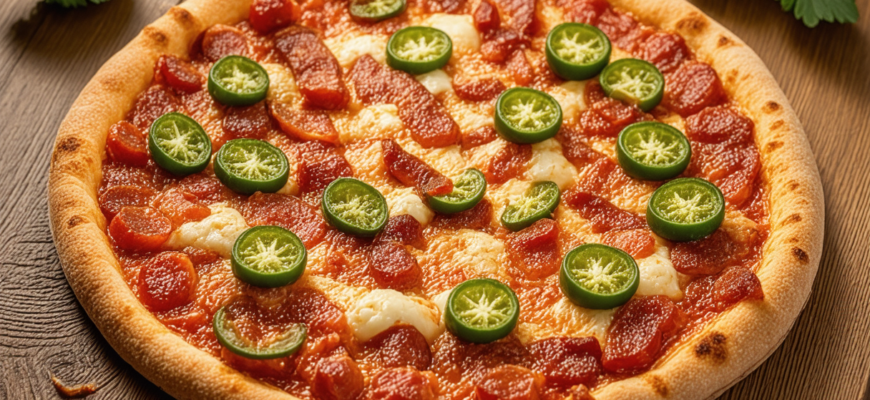
Pizza, one of the world’s most beloved dishes, offers a vast canvas for culinary experimentation. Its versatile nature allows chefs and home cooks alike to explore a multitude of flavors, textures, and aromas. Among the most compelling enhancements to a classic pizza are smokey and spicy elements, which add depth, complexity, and a bold character that elevates the entire eating experience. Whether you’re craving the robust flavor of smoked meats or the fiery kick of hot peppers, this article provides a comprehensive guide on how to incorporate smokey and spicy ingredients into your pizzas, ensuring every bite is memorable and satisfying.
- The Allure of Bold Flavors: Why Incorporate Smokey and Spicy Elements?
- Popular Smokey and Spicy Ingredients for Pizza
- Smokey Ingredients
- Spicy Ingredients
- Techniques for Incorporating Smokey and Spicy Flavors into Pizza
- 1. Choosing the Right Base Sauce
- 2. Selecting and Preparing Toppings
- 3. Cooking Methods
- 4. Garnishing and Final Touches
- Creative Pizza Recipes with Smokey and Spicy Elements
- 1. Spicy Smokey BBQ Chicken Pizza
- Preparation Steps:
- 2. Spicy Smoked Pepperoni Pizza with Chipotle
- Preparation steps mirror the previous recipe, emphasizing high heat to enhance smokiness and charring vegetables for extra flavor.
- Balancing Spice and Smoke for Perfect Pizza
- 1. Tolerance Levels
- 2. Complementary Flavors
- 3. Layering Techniques
- Health and Dietary Considerations
- Elevate Your Pizza with Bold Smokey and Spicy Flavors
The Allure of Bold Flavors: Why Incorporate Smokey and Spicy Elements?
At the core of culinary innovation lies the desire to create dishes that stimulate the senses. Smokey and spicy flavors are particularly effective because they add a dimension of richness and heat that transforms ordinary pizza into a gourmet delight. Here are some reasons why incorporating these elements is a trend worth exploring:
- Enhanced Flavor Profile: Smokey ingredients impart a deep, rich aroma, while spicy components intensify the palate with their invigorating heat.
- Complexity and Depth: Combining smokey and spicy elements creates layers of taste, appealing to sophisticated palates seeking nuanced flavors.
- Visual Appeal: Vibrant colors from peppers and the dark hue of smoked ingredients make pizzas visually enticing.
- Customizability: These flavor elements can be adjusted to cater to individual heat tolerances and flavor preferences.
Popular Smokey and Spicy Ingredients for Pizza
Smokey Ingredients
Adding smokey elements involves using ingredients that have been smoked during processing or are inherently smoky in flavor. Some popular options include:
| Ingredient | Description | Usage Tips |
|---|---|---|
| Smoked Gouda | Creamy cheese with a robust smoky flavor, ideal for melting on top of pizza. | Use as a primary cheese or blend with mozzarella for depth. |
| Smoked Sausages or Meats | Chorizo, kielbasa, or pancetta add a hearty smoky taste. | Slice thinly and distribute evenly over toppings. |
| Smoked Paprika | Powdered spice that adds smokey flavor and vibrant color. | Sprinkle over the sauce or toppings to enhance aroma. |
| Liquid Smoke | Concentrated smoky flavoring extract. | Use sparingly—just a few drops suffice. |
Spicy Ingredients
Spicy components come from peppers and other heat-inducing ingredients. These include:
| Ingredient | Description | Usage Tips |
|---|---|---|
| Jalapeño Peppers | Moderately spicy peppers with a fresh, grassy flavor. | Slice thinly and distribute evenly or pickle for extra flavor. |
| Red Pepper Flakes | Dried crushed chili peppers, adding heat and flavor. | Sprinkle over cheese or sauce before baking. |
| Habanero Peppers | Very hot peppers with fruity undertones. | Use sparingly; consider blending with other ingredients. |
| Sriracha or Hot Sauce | Liquid spicy condiments enhancing flavor with heat. | Add directly to sauce or drizzle over finished pizza. |
| Black Pepper | Ground black pepper provides a mild spiciness. | Sprinkle fresh or coarse ground just before serving. |
Techniques for Incorporating Smokey and Spicy Flavors into Pizza
1. Choosing the Right Base Sauce
The foundation of any good pizza is its sauce. To enhance smoky and spicy notes, consider customizing your sauce:
- BBQ Sauce: Use smoky BBQ sauce as a base instead of traditional tomato sauce for a rich, smoky flavor.
- Spicy Marinara: Add red pepper flakes, smoked paprika, or hot sauce to the tomato base to infuse heat and smokiness.
- White Sauce with Smoked Flavors: Incorporate smoked Gouda or chipotle peppers into a béchamel for a creamy, smoky alternative.
2. Selecting and Preparing Toppings
Properly prepared toppings ensure the flavors meld harmoniously. Here are some tips:
- Meat Toppings: Use smoked meats like bacon, sausage, or smoked ham, sliced thinly for even distribution.
- Vegetables: Roast or grill peppers, onions, and other vegetables to bring out their smoky and spicy qualities before adding.
- Cheese: Combine mozzarella with smoked cheeses for a layered flavor profile.
3. Cooking Methods
How you cook your pizza can amplify smokey and spicy flavors:
- Wood-Fired Oven: Adds a natural smokiness to the crust and toppings.
- Cooking with Liquid Smoke: Add drops to the sauce or toppings before baking for an embedded smoky taste.
- Broiling: Finish the pizza under high heat to develop caramelization and intensify flavors.
4. Garnishing and Final Touches
Enhance flavor right before serving:
- Sprinkle red pepper flakes for immediate heat.
- Add fresh herbs like cilantro or parsley to contrast and complement spicy notes.
- Drizzle with sriracha or hot oil for an extra spicy kick.
Creative Pizza Recipes with Smokey and Spicy Elements
1. Spicy Smokey BBQ Chicken Pizza
This pizza combines smoky BBQ sauce with spicy jalapeños and smoked chicken, offering a perfect balance of heat and richness.
- Ingredients:
- BBQ sauce (smoky flavor)
- Cooked smoked chicken, shredded
- Jalapeño peppers, sliced
- Red onion, thinly sliced
- Cheese: mozzarella and smoked Gouda
Preparation Steps:
- Spread BBQ sauce over the pizza dough.
- Sprinkle a mix of mozzarella and smoked Gouda on top.
- Distribute shredded smoked chicken evenly.
- Add jalapeño slices and red onions.
- Bake in a preheated oven at 220°C (428°F) for 15-20 minutes.
- Finish with a drizzle of hot sauce or sriracha before serving.
2. Spicy Smoked Pepperoni Pizza with Chipotle
Layer smoky pepperoni with a smoky chipotle sauce and spicy peppers for a fiery experience.
- Ingredients:
- Base: tomato sauce with chipotle peppers
- Cheese: mozzarella and smoked provolone
- Spicy pepperoni slices
- Fresh jalapeños, sliced
- Red bell peppers, roasted
Preparation steps mirror the previous recipe, emphasizing high heat to enhance smokiness and charring vegetables for extra flavor.
Balancing Spice and Smoke for Perfect Pizza
Striking the right balance between smokey and spicy must be a deliberate process. Here are key considerations:
1. Tolerance Levels
Adjust the quantity of spicy ingredients based on your audience’s heat preferences—ranging from mild to very hot. Use milder peppers like poblano or banana peppers for subtle heat, or habaneros for intense spiciness.
2. Complementary Flavors
Pair smoky ingredients with tangy, sweet, or creamy elements to prevent overpowering heat:
- Sweet corn or caramelized onions
- Fresh herbs such as basil or cilantro
- Cooling accompaniments like sour cream or ranch dressing
3. Layering Techniques
Build flavor complexity by layering ingredients thoughtfully to ensure that smokey nuances come through without being masked by excessive heat.
Health and Dietary Considerations
While flavor enhancement is exciting, consider healthier alternatives and dietary restrictions:
- Use lean smoked meats or plant-based smoked alternatives for a healthier option.
- Opt for fresh, organic peppers and smoke-infused oils to reduce artificial additives.
- Adjust spice levels to accommodate sensitive digestive systems.
Elevate Your Pizza with Bold Smokey and Spicy Flavors
Incorporating smokey and spicy elements into pizza is an art that combines careful ingredient selection, innovative techniques, and a keen understanding of flavor balance. By exploring various smoked ingredients such as cheeses, meats, and spices, alongside fiery peppers and hot sauces, cooks can craft pizzas that tantalize the senses and stand out from traditional recipes. Experimentation is key—begin by adjusting small quantities of these bold components, and gradually develop your signature flavor profile that excites and satisfies every palate.
From smoky BBQ chicken to fiery pepperoni with chipotle, the possibilities are endless for creating pizzas that are not only delicious but also memorable for their daring flavor combinations. Embrace the smoky and spicy journey, and redefine what a pizza can be—bold, flavorful, and uniquely yours.
Похожие записи:
 Discover the Bold Flavors of Serbian Pizza with Spicy Sausage and Peppers
  Unlocking Flavor: The Art of Incorporating Herbs and Spices into Pizza for a Burst of Taste
  Armenian Lahmajoon with Spicy Meat Topping: A Delicious Taste of Tradition
  Using a Grill to Achieve Smoky-Flavored Pizzas: The Ultimate Guide for Pizza Enthusiasts
  Perfectly Pairing Your Pizza with Delicious Side Dishes: A Complete Guide
  Ultimate Guide to Troubleshooting Common Pizza Baking Problems: Tips & Solutions
  Creating Flavorful and Colorful Veggie-Based Pizzas: A Guide to Delicious, Healthy, and Vibrant Pies
  Mastering Restaurant-Quality Pizzas at Home: The Ultimate Guide to Using a Pizza Stone
  Ultimate Guide: Tips for Cooking Different Styles of Pizza at Home
  The Influence of World Cuisines on Pizza Toppings: A Global Culinary Journey
  Choosing the Perfect Flour for Flawless Pizza Dough: A Complete Guide
  Mastering Vegan and Vegetarian Pizza: Delicious Recipes and Culinary Inspiration
  Japanese Okonomiyaki with Pizza-Like Toppings: A Fusion of Flavors and Culinary History
  The Cultural Adaptation of Pizza in Different Countries: A Global Culinary Journey
  Mexican Tlayuda and Its Rustic Toppings: A Deep Dive into a Unique Culinary Tradition
  Croatian Pizza with Mediterranean Influences: A Culinary Journey