
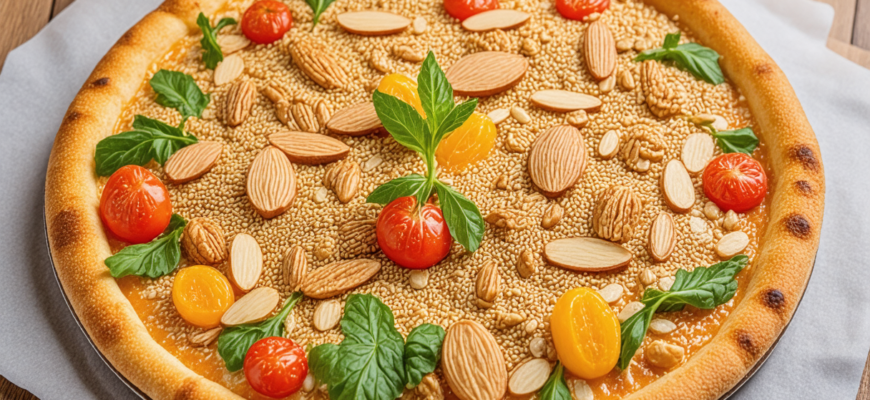
Pizza, a beloved dish originating from Italy, has become a global culinary phenomenon, appreciated for its versatility and endless variety of toppings. Traditional toppings like cheese, tomato sauce, pepperoni, and vegetables have long been staples, but in recent years, innovative chefs and home cooks alike have started experimenting with unconventional ingredients. Among these, nuts and seeds stand out as healthy, flavorful, and texture-enhancing options that can elevate pizza to a new level. This comprehensive guide explores the numerous benefits of incorporating nuts and seeds into pizza toppings, alongside creative ideas, nutritional insights, and practical tips for customization.
- Understanding the Role of Nuts and Seeds in Culinary Applications
- The Origins and Culinary Uses of Nuts and Seeds
- Key Nutritional Components of Nuts and Seeds
- Health Benefits of Adding Nuts and Seeds to Pizza
- 1. Nutritional Enhancement
- 2. Improved Heart Health
- 3. Enhanced Digestive Health
- 4. Antioxidant and Anti-inflammatory Properties
- 5. Texture and Flavor Diversity
- Creative Ways to Incorporate Nuts and Seeds into Pizza Toppings
- Classic Combinations and Innovative Ideas
- Combining Nuts and Seeds with Different Pizza Styles
- Thin Crust Pizza
- Deep-Dish Pizza
- Gluten-Free or Vegan Variants
- Step-by-Step Guide to Adding Nuts and Seeds to Your Homemade Pizza
- Ingredients Needed
- Preparation Steps
- Health Tips and Considerations When Adding Nuts and Seeds
- Portion Control
- Allergy Awareness
- Choosing the Right Nuts and Seeds
- Nutritional Table of Popular Nuts and Seeds for Pizza Toppings
- Elevate Your Pizza Experience with Nuts and Seeds
- Final Tips for Successful Integration
Understanding the Role of Nuts and Seeds in Culinary Applications
The Origins and Culinary Uses of Nuts and Seeds
Nuts and seeds have been used in culinary traditions across cultures for thousands of years. From roasted almonds in Middle Eastern dishes to sesame seeds in Asian cuisine, these ingredients add flavor, crunch, and nutritional value. In baking, they serve as toppings, fillings, or mixing ingredients. Their incorporation into pizza is a modern trend that combines health-conscious eating with gourmet flair.
Key Nutritional Components of Nuts and Seeds
Before delving into specific benefits, it’s essential to understand the nutritional profile of these ingredients:
| Component | Common Sources | Benefits |
|---|---|---|
| Healthy Fats | Walnuts, almonds, sunflower seeds, chia seeds | Support cardiovascular health, provide sustained energy |
| Proteins | Pistachios, pumpkin seeds, flaxseeds | Aid in muscle repair, satiety |
| Fiber | Linen seeds, sesame seeds, sunflower seeds | Enhance digestion, regulate blood sugar levels |
| Vitamins & Minerals | All nuts and seeds contain varying amounts of magnesium, vitamin E, zinc, and antioxidants | Boost immune function, improve skin health |
Health Benefits of Adding Nuts and Seeds to Pizza
1. Nutritional Enhancement
Adding nuts and seeds to pizza boosts its nutritional value significantly. Their rich composition of healthy fats, proteins, fiber, and essential micronutrients can help meet daily dietary requirements conveniently. For example, sprinkling chopped walnuts or pumpkin seeds on top of a vegetable pizza can turn a simple dish into a powerhouse of nutrients.
2. Improved Heart Health
Many nuts, especially walnuts and almonds, contain omega-3 and monounsaturated fats that are beneficial for cardiovascular health. Regular consumption has been linked to reduced inflammation, lower bad cholesterol (LDL), and improved blood vessel function. Incorporating these ingredients into pizza makes it a heart-healthy choice without sacrificing flavor.
3. Enhanced Digestive Health
Fiber-rich nuts and seeds promote good digestion and satiety. Adding flaxseeds or sunflower seeds to pizza toppings helps maintain healthy bowel movements and provides a feeling of fullness, which can assist in weight management.
4. Antioxidant and Anti-inflammatory Properties
Nuts like pistachios and seeds such as chia are packed with antioxidants that combat oxidative stress and reduce inflammation, lowering risk factors for chronic diseases like diabetes, arthritis, and certain cancers.
5. Texture and Flavor Diversity
Beyond health benefits, nuts and seeds contribute a delightful crunch, nutty flavor, and visual appeal to pizza. Their inclusion can transform a simple Margherita or veggie pizza into a gourmet experience, pleasing diverse palates.
Creative Ways to Incorporate Nuts and Seeds into Pizza Toppings
Classic Combinations and Innovative Ideas
Experimentation is key when integrating nuts and seeds into pizza. Here are some ideas to inspire culinary creativity:
- Walnut & Roasted Garlic: Chopped walnuts combined with roasted garlic and arugula for a Mediterranean-inspired pie.
- Pine Nut & Basil Pesto: Spread pesto topped with pine nuts, goat cheese, and cherry tomatoes for a flavorful twist.
- Almond & Mushroom: Sliced almonds with sautéed mushrooms and thyme on a white pizza base.
- Chia Seed & Vegetable: Sprinkle chia seeds over a veggie pizza to add crunch and nutritional punch.
- Sesame & Chicken: Use toasted sesame seeds on a chicken and Asian-inspired pizza with hoisin sauce.
Combining Nuts and Seeds with Different Pizza Styles
Depending on the style of pizza—thin crust, deep-dish, flatbread, or gluten-free—nuts and seeds can be tailored to complement ingredients and textures:
Thin Crust Pizza
- Few toppings, better showcasing the crunch of nuts like almonds or sunflower seeds.
Deep-Dish Pizza
- More generous toppings allow for hearty layers of chopped nuts mixed into sauces or sprinkled on top.
Gluten-Free or Vegan Variants
- Seeds such as flax or chia can serve as binding agents or toppings to enhance flavor and nutritional value.
Step-by-Step Guide to Adding Nuts and Seeds to Your Homemade Pizza
Ingredients Needed
- Fresh pizza dough (store-bought or homemade)
- Tomato sauce or alternative base (pesto, white sauce)
- Cheese (mozzarella, vegan cheese, or dairy-free alternatives)
- Variety of toppings (vegetables, meats, herbs)
- Nuts and seeds of choice (e.g., walnuts, almonds, sunflower seeds, sesame seeds, chia seeds)
- Optional: Additional herbs and spices
Preparation Steps
- Preheat oven to 220°C (430°F) for crispy results.
- Roll out the dough onto a baking sheet or pizza stone.
- Spread sauce evenly over the base.
- Add cheese and toppings, layering flavors as desired.
- Sprinkle nuts and seeds over the top, pressing lightly to embed them into the cheese or sauce.
- Bake for 12-15 minutes or until crust is golden and cheese is bubbly.
- Garnish with fresh herbs, a splash of olive oil, or lemon zest for extra flavor.
- Serve hot and enjoy the contrasting textures and enhanced flavors.
Health Tips and Considerations When Adding Nuts and Seeds
Portion Control
Nuts and seeds are calorie-dense; therefore, moderation is key. Usually, a tablespoon or two per slice is sufficient to gain health benefits without overloading calories.
Allergy Awareness
Nut allergies are common; always consider your guests’ dietary restrictions and offer nut-free options if necessary.
Choosing the Right Nuts and Seeds
- Roasted or raw: Roasted nuts add depth of flavor, but raw nuts retain more nutrients.
- Flavor pairing: Match nuts/seeds to the overall flavor profile of the pizza (e.g., sesame with Asian-style pizza).
Nutritional Table of Popular Nuts and Seeds for Pizza Toppings
| Nut or Seed | Calories per 28g (1 oz) | Key Nutrients | Flavor Profile |
|---|---|---|---|
| Walnuts | 185 | Omega-3 fatty acids, magnesium, vitamin E | Bittersweet, earthy |
| Almonds | 160 | Vitamin E, magnesium, antioxidants | Sweet, nutty |
| Pine Nuts | 191 | Vitamin K, magnesium, zinc | Buttery, delicate |
| Pumpkin Seeds | 151 | Zinc, magnesium, antioxidants | Earthy, slightly nutty |
| Sesame Seeds | 52 | Calcium, iron, magnesium | Nutty, toasted |
| Chia Seeds | 138 | Omega-3, fiber, calcium | Neutral, slightly crunchy |
Elevate Your Pizza Experience with Nuts and Seeds
Integrating nuts and seeds into pizza toppings is more than a culinary trend; it is a wholesome approach to enhance both flavor and nutrition. Their diverse textures, bold flavors, and health benefits make them an excellent addition to traditional and modern pizza recipes. Experimenting with different combinations can result in unique culinary creations that satisfy taste buds and promote wellness. From crunchy walnuts to nutritious chia seeds, the possibilities are virtually endless, inviting both seasoned pizza lovers and casual enthusiasts to explore new dimensions in pizza crafting.
Final Tips for Successful Integration
- Use nuts and seeds as a finishing touch or mix into sauces for best flavor retention.
- Opt for toasted varieties to amplify flavor and crunch.
- Combine with complementary ingredients like fresh herbs, citrus zest, or flavorful cheeses.
- Adjust the quantity of nuts and seeds based on the desired crunch, flavor intensity, and nutritional goals.
Next time you prepare a pizza, consider adding these nutrient-rich ingredients to surprise your palate and boost the dish’s health benefits. Whether roasted, whole, chopped, or minced, nuts and seeds can truly transform an ordinary pizza into an extraordinary culinary experience.
Похожие записи:
 The Benefits of Adding Vegetables to Your Pizza for Health
  How to Boost Fiber Intake with Seed-Based Toppings on Pizza
  Unlocking Nutrition: How to Incorporate Superfoods into Pizza Toppings for a Healthier Twist
  Enhancing Pizza with High-Antioxidant Toppings for Better Health
  The Benefits of Fiber-Rich Crusts for Sustained Energy Release
  Fiber-Rich Toppings to Boost Digestive Health in Pizza Dishes
  Exploring the Antioxidants in Tomato Sauce and Their Health Benefits
  The Benefits of Probiotics in Cheese Used for Pizza
  Korean BBQ-Inspired Toppings with Marinated Beef and Kimchi: A Fusion of Flavors
  Discovering Czech Pizza: Delicious Variations and Traditional Toppings
  Sweet Potato Slices, Arugula, and Blue Cheese for a Sophisticated Bite: Elevating Pizza Toppings to Gourmet Levels
  Discover the Perfect Georgian Mchadi with Toppings: A Delicious Traditional Bread to Complement Every Meal
  Vegan Cheese Options and Their Nutritional Advantages on Pizza: A Comprehensive Guide
  Swedish Spritz with Its Thin Crust and Savory Toppings: A Delicious Twist in Pizza Styles
  Balancing Macronutrients in Homemade Pizza Recipes: A Complete Guide
  Mexican Tlayuda and Its Rustic Toppings: A Deep Dive into a Unique Culinary Tradition