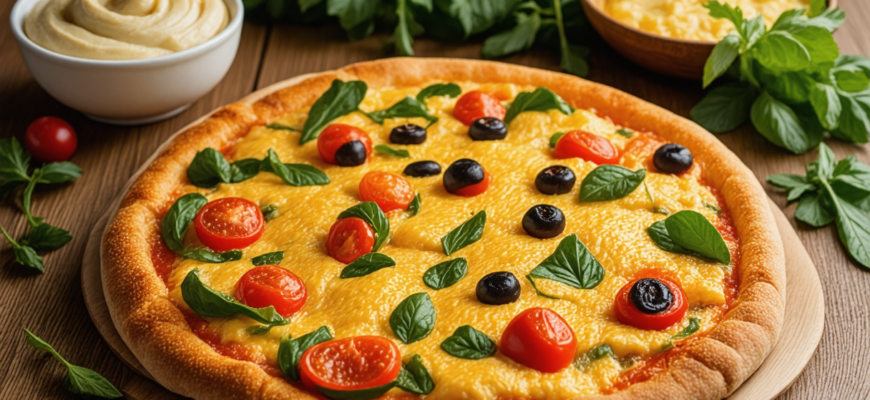
In recent years, the culinary landscape has undergone a significant transformation, embracing more inclusive, health-conscious, and sustainable choices. Among these, vegan cheeses have emerged as popular alternatives to traditional dairy cheeses, especially on beloved dishes like pizza. This article explores the variety of vegan cheese options available today, their nutritional benefits, and how they compare to traditional cheeses when used on pizza. Whether you are a dedicated vegan, someone with lactose intolerance, or simply looking to diversify your flavor palate, understanding the nuances of vegan cheeses can elevate your culinary experience.
- Understanding Vegan Cheese: An Introduction
- Popular Types of Vegan Cheese for Pizza
- 1. Nut-Based Cheeses
- 2. Soy-Based Cheeses
- 3. Coconut Oil and Starch Blends
- 4. Root Vegetable and Legume-Based Cheeses
- 5. Commercially Available Vegan Cheeses
- Nutritional Advantages of Vegan Cheese on Pizza
- 1. Reduced Saturated Fat and Cholesterol
- 2. Rich in Dietary Fiber and Phytochemicals
- 3. Higher in Essential Nutrients
- 4. Lower in Sodium
- Comparative Nutritional Table: Traditional Cheese vs. Vegan Cheese on Pizza
- Using Vegan Cheese on Pizza: Tips and Techniques
- 1. Choosing the Right Vegan Cheese
- 2. Proper Application for Best Results
- 3. Enhancing Flavor and Texture
- Health Considerations and Dietary Suitability
- 1. Suitability for Lactose Intolerant and Allergic Individuals
- 2. Caloric and Fat Content Management
- 3. Ethical and Environmental Benefits
- Future Trends in Vegan Cheese for Pizza
Understanding Vegan Cheese: An Introduction
Vegan cheese is a dairy-free alternative made from plant-based ingredients designed to mimic the flavor, texture, and melting properties of traditional cheese. As the demand for plant-based foods rises globally, manufacturers have developed an array of vegan cheese products that cater to different tastes and dietary needs. Unlike conventional cheese, which is derived from milk, vegan cheeses are typically crafted from nuts, seeds, soy, root vegetables, or processed starches infused with flavoring agents.
Popular Types of Vegan Cheese for Pizza
1. Nut-Based Cheeses
Nut cheeses, especially those made from cashews and almonds, have gained popularity due to their creamy texture and mild flavor. By soaking and blending nuts with water, nutritional yeast, lemon juice, and seasonings, manufacturers produce cheeses that melt well and have a rich mouthfeel. Cashew-based cheeses are particularly versatile for pizza toppings, offering a luxurious, cheesy finish.
2. Soy-Based Cheeses
Soy-derived cheeses employ processed soy proteins to recreate the stretchy, meltable characteristics of traditional cheese. These are often fortified with vitamins and minerals to improve nutritional content and flavor. Soy cheeses tend to have a neutral flavor, making them suitable for various pizza styles.
3. Coconut Oil and Starch Blends
This category combines coconut oil with starches like tapioca or potato starch. The result is a stringy, gooey consistency reminiscent of melted mozzarella. Coconut-based vegan cheeses are often favored for their excellent meltability and mild flavor, making them ideal for pizza applications.
4. Root Vegetable and Legume-Based Cheeses
Some innovative recipes incorporate root vegetables such as potatoes and carrots or legumes like chickpeas to create cheese-like textures. These tend to have a more pronounced flavor but are valued for their nutritional content and natural sweetness.
5. Commercially Available Vegan Cheeses
| Brand | Type | Flavor Profile | Best for |
|---|---|---|---|
| Violife | Coconut Oil, Starch | Mild, cheesy | Melting, slices, toppings |
| Daiya | Soy and Coconut Blend | Mild, creamy | Melted pizza, shreds |
| Miyoko’s | Nut-based | Rich, nutty | Cheese spreads, melting |
Nutritional Advantages of Vegan Cheese on Pizza
1. Reduced Saturated Fat and Cholesterol
Traditional cheese is high in saturated fats and cholesterol, which can contribute to cardiovascular issues when consumed excessively. Vegan cheeses derived from nuts or plant oils generally contain lower saturated fat levels and are free from dietary cholesterol, making them a heart-healthier choice.
2. Rich in Dietary Fiber and Phytochemicals
Plant-based ingredients like nuts, seeds, and vegetables are naturally rich in dietary fiber, antioxidants, and phytochemicals. When incorporated into vegan cheese, these components can aid digestion, reduce inflammation, and contribute to overall health.
3. Higher in Essential Nutrients
- Vitamins: Fortified vegan cheeses often contain vitamin B12, B2 (riboflavin), and D, which are essential nutrients that may be lacking in a purely plant-based diet.
- Minerals: Sources like nutritional yeast and nuts provide calcium, zinc, and magnesium, supporting bone health and immune function.
4. Lower in Sodium
Many traditional cheeses are high in sodium, which can lead to hypertension. While some vegan cheeses can be salty, many brands now offer low-sodium versions, helping consumers manage their salt intake.
Comparative Nutritional Table: Traditional Cheese vs. Vegan Cheese on Pizza
| Parameter | Traditional Cheese | Vegan Cheese |
|---|---|---|
| Calories (per 100g) | 350 | 250–350 (varies by type) |
| Saturated Fat | 20g | <5g (varies) |
| Cholesterol | 100mg | 0mg |
| Sodium | 620mg | 200–600mg (varies) |
| Protein | 25g | 2–8g (depending on ingredients) |
| Carbohydrates | 1–3g | 5–15g |
| Vitamins & Minerals | Rich in B12, calcium, zinc | Fortified versions provide similar nutrients |
Using Vegan Cheese on Pizza: Tips and Techniques
1. Choosing the Right Vegan Cheese
The variety of vegan cheeses means it’s important to select the right type based on desired melting, flavor, and texture. For classic mozzarella-style melting, coconut oil or starch-based cheeses are ideal. For a nuttier flavor, opt for nut-based cheeses.
2. Proper Application for Best Results
- Sprinkle or spread the vegan cheese evenly over the sauce and toppings.
- If using shredded vegan cheese, consider blending with a small amount of plant-based milk or oil to improve meltability.
- Bake at the appropriate temperature (around 200°C or 392°F) until bubbly and golden.
3. Enhancing Flavor and Texture
- Adding nutritional yeast can boost cheesy flavor.
- Combining different types of vegan cheese can provide a richer taste and better melt.
- Pre-cooking some toppings like vegetables can prevent excess moisture and ensure an evenly cooked pizza.
Health Considerations and Dietary Suitability
1. Suitability for Lactose Intolerant and Allergic Individuals
Vegan cheeses are naturally lactose-free, making them a suitable alternative for people with lactose intolerance. However, those with nut allergies should be cautious, especially with nut-based cheeses.
2. Caloric and Fat Content Management
While vegan cheeses can be lower in saturated fats, some commercial varieties are calorie-dense due to added fats and oils. Portion control and ingredient selection are key to maintaining a healthy diet.
3. Ethical and Environmental Benefits
Adopting vegan cheese options supports animal welfare and reduces carbon footprint, aligning with sustainable food choices.
Future Trends in Vegan Cheese for Pizza
- Innovations in fermentation techniques that enhance flavor and meltability.
- Development of more nutrient-rich, minimally processed vegan cheeses.
- Applications of biotechnology to produce cheese-like flavors from sustainable plant sources.
As consumer demand continues to grow, so will the diversity, quality, and accessibility of vegan cheeses, making them an increasingly popular choice for pizza lovers around the world.
Vegan cheese options have significantly evolved, offering a wide array of flavors, textures, and nutritional benefits suitable for various dietary needs. When used on pizza, these plant-based cheeses can deliver a satisfying cheesy experience while supporting health, sustainability, and ethical considerations. By understanding the different types of vegan cheeses and how to use them effectively, both home cooks and professional chefs can create delicious, inclusive pizza recipes that cater to every taste and dietary preference.
Embracing vegan cheese on pizza not only broadens culinary horizons but also promotes a more sustainable and compassionate approach to food. Whether for health reasons, ethical concerns, or curiosity, trying different vegan cheese options can transform the traditional pizza experience into a modern, wholesome delight.
Похожие записи:
 The Rise of Gluten-Free and Vegan Pizza Options: A Delicious Revolution
  The Impact of Cheese Types on Pizza’s Nutritional Profile
  The Journey of Creating Vegan Cheese for Pizza: From Concept to Slice
  Choosing the Right Cheese Blends for Melting Excellence: The Ultimate Guide
  Unlocking the Secrets of Traditional Pizza: Nutritional Components and Their Impact on Health
  The Rise of Healthy and Alternative Pizza Options: A Delicious Revolution
  Mastering Vegan and Vegetarian Pizza: Delicious Recipes and Culinary Inspiration
  The Significance of Calcium and Vitamin D in Cheese-Heavy Pizzas
  Balancing Macronutrients in Homemade Pizza Recipes: A Complete Guide
  Creating Flavorful and Colorful Veggie-Based Pizzas: A Guide to Delicious, Healthy, and Vibrant Pies
  The Benefits of Probiotics in Cheese Used for Pizza
  Ultimate Guide to Troubleshooting Common Pizza Baking Problems: Tips & Solutions
  Ultimate Guide: Tips for Cooking Different Styles of Pizza at Home
  Sweet Potato Slices, Arugula, and Blue Cheese for a Sophisticated Bite: Elevating Pizza Toppings to Gourmet Levels
  Incorporating Smokey and Spicy Elements for a Bold Taste in Pizza: A Culinary Guide
  How to Make Pizza a Part of a Heart-Healthy Diet