
Pizza is undoubtedly one of the most beloved dishes across the globe, appreciated for its versatility, rich flavors, and endless possibilities for customization. From classic Margherita to adventurous combinations, pizza has become a staple in many cuisines. However, beyond its culinary appeal, pizza can also serve as a vehicle for promoting health, especially when topped with ingredients known for their anti-inflammatory properties. In this comprehensive guide, explored in detail, you will learn about the science behind inflammation, anti-inflammatory foods, and how certain pizza toppings can contribute to reducing inflammation in the body, transforming a beloved comfort food into a health-conscious choice.
- Understanding Inflammation and Its Role in Health
- What Is Inflammation?
- Key Factors Influencing Inflammation
- The Link Between Diet and Inflammation
- Anti-Inflammatory Foods: Building Blocks of a Healthy Diet
- What Are Anti-Inflammatory Foods?
- Examples of Anti-Inflammatory Foods
- The Role of Specific Pizza Toppings in Fighting Inflammation
- Why Certain Toppings Are Particularly Beneficial
- Top Anti-Inflammatory Pizza Toppings
- Why These Ingredients Are Anti-Inflammatory
- Leafy Greens
- Tomatoes
- Olive Oil
- Garlic and Herbs
- Fruits and Nuts
- Sample Anti-Inflammatory Pizza Recipe
- Ingredients
- Preparation
- Scientific Evidence Supporting Anti-Inflammatory Toppings
- Research Highlights
- Integrating Anti-Inflammatory Toppings into Your Pizza Routine
- Tips for Healthy Pizza Preparation
- Creative Variations
- Potential Limitations and Considerations
Understanding Inflammation and Its Role in Health
What Is Inflammation?
Inflammation is a natural and essential part of the body’s immune response. It occurs when the immune system responds to injury, infection, or harmful stimuli by releasing immune cells, signaling molecules, and other factors that promote healing. In its acute form, inflammation is beneficial and helps eliminate pathogens and repair tissue damage.
However, when inflammation persists over a prolonged period — known as chronic inflammation — it can become detrimental and contribute to various health issues, including cardiovascular disease, diabetes, arthritis, and certain neurodegenerative conditions. Modern lifestyles, characterized by poor diet, stress, lack of physical activity, and pollution, have increased the prevalence of chronic inflammation.
Key Factors Influencing Inflammation
- Dietary choices
- Physical activity levels
- Stress and mental health
- Environmental factors
The Link Between Diet and Inflammation
Numerous studies have demonstrated that specific foods and dietary patterns can either exacerbate or mitigate inflammation. Diets rich in processed foods, refined sugars, and unhealthy fats tend to promote inflammatory responses. Conversely, a diet abundant in fresh vegetables, fruits, whole grains, lean proteins, and healthy fats can help reduce inflammation and support overall health.
Anti-Inflammatory Foods: Building Blocks of a Healthy Diet
What Are Anti-Inflammatory Foods?
Anti-inflammatory foods contain compounds such as antioxidants, phytochemicals, and healthy fats that combat oxidative stress and suppress inflammatory pathways. Incorporating these foods into daily meals can be a proactive step towards reducing chronic inflammation.
Examples of Anti-Inflammatory Foods
| Food Category | Examples | Key Benefits |
|---|---|---|
| Fruits | Berries (blueberries, strawberries), cherries, oranges, apples | Rich in antioxidants and vitamin C |
| Vegetables | Leafy greens (spinach, kale), broccoli, Brussels sprouts | Contain polyphenols and fiber |
| Healthy Fats | Olive oil, avocados, nuts, seeds | Source of monounsaturated and omega-3 fatty acids |
| Whole Grains | Oats, quinoa, brown rice | High in fiber and phytochemicals |
| Proteins | Fatty fish (salmon, mackerel), legumes, lean poultry | Omega-3 fatty acids and essential amino acids |
| Spices and Herbs | Turmeric, ginger, garlic | Anti-inflammatory phytochemicals |
The Role of Specific Pizza Toppings in Fighting Inflammation
Why Certain Toppings Are Particularly Beneficial
While traditional pizza toppings like pepperoni or extra cheese may contribute to inflammation due to their saturated fat and processed nature, numerous other toppings possess powerful anti-inflammatory properties. Incorporating these ingredients into pizza recipes can enhance flavor while offering health benefits.
Top Anti-Inflammatory Pizza Toppings
- Leafy Greens: Spinach, kale, arugula
- Vegetables: Bell peppers, tomatoes, zucchini, broccoli
- Healthy Fats: Avocado slices, olives, drizzle of extra virgin olive oil
- Herbs and Spices: Basil, oregano, turmeric, garlic
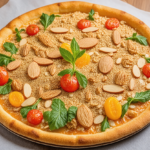
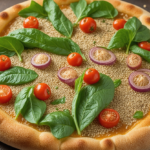
- Nuts and Seeds: Walnuts, chia seeds, flaxseeds (sprinkled on pizza after baking)
- Fruits: Pineapple, figs (in moderation)
Why These Ingredients Are Anti-Inflammatory
Leafy Greens
Rich in polyphenols, antioxidants, and fiber, leafy greens help reduce inflammatory markers such as C-reactive protein (CRP). Their vitamin K content also supports immune regulation and cardiovascular health.
Tomatoes
Containing lycopene, a potent antioxidant, tomatoes have been shown to mitigate oxidative stress and inflammation, especially when cooked with healthy fats to enhance absorption.
Olive Oil
Extra virgin olive oil is a cornerstone of the Mediterranean diet, renowned for its anti-inflammatory effects due to oleocanthal—a compound with properties similar to non-steroidal anti-inflammatory drugs (NSAIDs).
Garlic and Herbs
Allicin, found in garlic, and bioactive compounds in herbs like oregano and basil, have been linked to the modulation of inflammatory pathways and immune system support.
Fruits and Nuts
Fruits such as pineapple and figs contain bromelain and other enzymes that can reduce swelling and inflammation. Nuts and seeds provide healthy fats and phytochemicals that combat inflammatory processes.
Sample Anti-Inflammatory Pizza Recipe
Ingredients
- Whole wheat or cauliflower pizza base
- Extra virgin olive oil
- Fresh spinach leaves
- Cherry tomatoes, halved
- Red bell peppers, sliced
- Minced garlic
- Shredded mozzarella or vegan cheese alternative
- Fresh basil leaves
- Olives (optional)
- Sprinkle of chia seeds (post-baking)
Preparation
- Preheat the oven to 220°C (430°F).
- Spread a thin layer of olive oil over the base.
- Sauté garlic in a small amount of olive oil and evenly distribute on the base.
- Add spinach leaves, cherry tomatoes, and bell peppers.
- Sprinkle cheese evenly over the toppings.
- Bake for approximately 12-15 minutes until the crust is golden and the cheese is melted.
- Garnish with fresh basil, olives, and sprinkle chia seeds before serving.
Scientific Evidence Supporting Anti-Inflammatory Toppings
Research indicates that diet patterns emphasizing these ingredients can lower markers of inflammation. For example, studies have shown that the inclusion of tomatoes and olive oil in meals reduces CRP and other pro-inflammatory cytokines. Similarly, consuming greens and herbs can downregulate inflammatory gene expression.
Research Highlights
- Olive oil and inflammation: A study published in the American Journal of Clinical Nutrition revealed that participants consuming extra virgin olive oil daily had lower levels of inflammatory markers.
- Tomatoes and lycopene: A meta-analysis demonstrated significant reductions in inflammatory mediators after increased tomato consumption.
- Leafy greens: Regular intake associated with decreased CRP levels and improved cardiovascular health.
Integrating Anti-Inflammatory Toppings into Your Pizza Routine
Tips for Healthy Pizza Preparation
- Opt for whole grain or cauliflower crusts for added fiber and nutrients.
- Use minimal processed cheeses, or replace with plant-based alternatives.
- Load your pizza with plentiful vegetables and herbs.
- Drizzle high-quality extra virgin olive oil after baking.
- Limit or avoid high-fat processed meats like pepperoni and sausage.
Creative Variations
| Theme | Toppings | Description |
|---|---|---|
| Green Power | Spinach, arugula, basil, olives | Rich in antioxidants and healthy fats |
| Veggie Delight | Bell peppers, zucchini, cherry tomatoes, broccoli | Colorful mix packed with fiber and phytochemicals |
| Mediterranean | Olives, garlic, tomatoes, oregano, feta cheese | Flavorful with strong anti-inflammatory components |
Potential Limitations and Considerations
While adding anti-inflammatory toppings can enhance the health profile of your pizza, it is vital to consider overall dietary habits. Excessive consumption of refined carbohydrates, processed ingredients, or unhealthy fats can negate benefits. Portion control and balanced nutrition remain essential.
Furthermore, individuals with food allergies, sensitivities, or specific medical conditions should tailor their ingredients accordingly.
Pizza, a universal dish with diverse variations, offers immense potential beyond culinary delight—becoming a conduit for health and wellness. By strategically choosing toppings rich in anti-inflammatory compounds, consumers can enjoy their favorite comfort food while supporting their body’s natural defenses against chronic inflammation. Incorporating vibrant vegetables, healthy fats, and herbs into pizza not only elevates taste but also serves as a proactive step towards better health.
In the ongoing quest to eat smarter and live healthier, innovative approaches like these demonstrate that deliciousness and wellness are not mutually exclusive. Embracing the science behind anti-inflammatory foods allows for creative culinary expression that benefits both palate and body.
Похожие записи:
 Unlocking Nutrition: How to Incorporate Superfoods into Pizza Toppings for a Healthier Twist
  The Effects of High Sodium Content in Certain Pizza Recipes: What You Need to Know
  The Impact of Onion and Garlic Toppings on Immune Function
  Enhancing Pizza with High-Antioxidant Toppings for Better Health
  The Benefits of Adding Nuts and Seeds to Pizza Toppings
  How to Boost Fiber Intake with Seed-Based Toppings on Pizza
  The Role of Antioxidants in Tomato-Based Pizza Sauces
  Exploring the Antioxidants in Tomato Sauce and Their Health Benefits
  Fiber-Rich Toppings to Boost Digestive Health in Pizza Dishes
  How to Make Pizza a Part of a Heart-Healthy Diet
  Turkish Pide and Its Various Toppings: A Delicious Journey into Traditional Flavors
  How Pizza Can Be Adapted for Low-Carb and Ketogenic Diets: Delicious Alternatives for Every Taste
  Innovative Strategies to Enhance Pizza’s Nutritional Value Without Increasing Calories How to Make a Pizza with a Health-Conscious Twist: Delicious Recipes and Tips Incorporating Fermented Ingredients in Pizza for Gut Health: A Delicious and Nutritious Trend
  Discovering Czech Pizza: Delicious Variations and Traditional Toppings