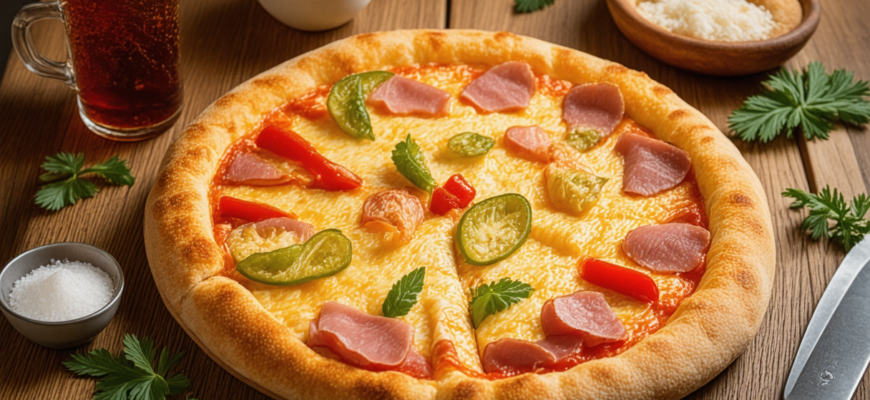
Pizza remains one of the most beloved dishes worldwide, appreciated for its versatility, rich flavors, and cultural significance. From traditional Margherita to exotic toppings, pizza recipes have evolved significantly over the years. However, one common ingredient in many recipes—especially those with processed cheeses, cured meats, or salty sauces—can contain high levels of sodium. While salt is essential in cooking to enhance flavor and preserve food, excessive consumption can lead to numerous health concerns. This comprehensive guide explores the impact of high sodium content in certain pizza recipes, explaining the science, health implications, and how to enjoy pizza with a balanced approach.
- Understanding Sodium and Its Role in Food
- What Is Sodium?
- Why Is Sodium Used in Pizza Recipes?
- Typical Sodium Content in Popular Pizza Ingredients
- How High Sodium Content Affects Health
- Cardiovascular Risks
- Kidney Health
- Other Health Concerns
- Common Pizza Recipes with Elevated Sodium Levels
- High-Sodium Pizza Examples
- Why These Recipes Are High in Sodium
- Formulas to Calculate Sodium Intake from Pizza
- Sodium Intake (mg) per slice = (Sodium content per 100g / 100) × weight of one slice (g)
- Strategies for Reducing Sodium in Pizza Recipes
- Use Fresh and Natural Ingredients
- Modify the Recipe
- Consider Alternative Seasonings
- Read Labels Carefully
- Healthy Pizza Recipe with Low Sodium Content
- Ingredients
- Preparation Tips
- The Role of Sodium in a Balanced Diet and Lifestyle
- Recommended Daily Sodium Intake
- Balancing Sodium Intake with Potassium
- General Tips for Healthy Eating
- Enjoy Pizza Mindfully
- References
Understanding Sodium and Its Role in Food
What Is Sodium?
Sodium is a mineral that plays a vital role in maintaining the body’s fluid balance, transmitting nerve signals, and regulating muscle function. It is naturally present in many foods, especially those of animal origin, but it is also commonly added during food processing as salt (sodium chloride) and other preservatives.
Why Is Sodium Used in Pizza Recipes?
- Flavor enhancement: Salt heightens the taste, making ingredients more appealing.
- Preservation: Salt extends shelf life by inhibiting bacterial growth.
- Texture improvement: Salt can influence dough elasticity and moisture retention.
Typical Sodium Content in Popular Pizza Ingredients
| Ingredient | Sodium Content (mg per 100g) | Notes |
|---|---|---|
| Processed cheese | 600 – 1,200 | High in added salts for preservation and flavor |
| Cured meats (pepperoni, salami) | 1,200 – 1,500 | Rich in sodium salts for curing |
| Tomato sauce (canned) | 400 – 900 | Often contains added salt for flavor and preservation |
| Pizza dough | 300 – 800 | Contains salt for taste and dough texture |
How High Sodium Content Affects Health
Cardiovascular Risks
Excessive intake of sodium is strongly linked to increased blood pressure (hypertension), a significant risk factor for cardiovascular diseases such as heart attacks, stroke, and heart failure. According to the World Health Organization (WHO), reducing sodium intake can significantly lower the prevalence of hypertension worldwide.
Kidney Health
High sodium consumption can strain the kidneys, which must work harder to eliminate excess salt from the body. Over time, this can lead to impaired kidney function and increase the risk of kidney disease.
Other Health Concerns
- Bone health: Excessive sodium can cause calcium loss through urine, weakening bones and increasing fracture risk.
- Stomach cancer: High salt levels may damage the stomach lining, potentially increasing the risk of gastric cancer.
- Water retention and bloating: High sodium intake causes the body to retain water, leading to bloating and swelling.
Common Pizza Recipes with Elevated Sodium Levels
High-Sodium Pizza Examples
- Meat Lover’s Pizza: Loaded with cured meats like pepperoni, sausage, and ham.
- Four Cheese Pizza with Processed Cheeses: Containing multiple cheeses often high in salt.
- Buffalo Chicken Pizza: Using processed chicken or canned sauces rich in sodium.
- Majestic Marinara Pizza: Using store-bought, canned sauces with added salt.
Why These Recipes Are High in Sodium
These popular pizza types often rely on ingredients that are naturally or artificially high in Na+, which cumulatively elevate the overall sodium content. While they are delicious and satisfying, frequent consumption can contribute to health problems if not balanced within a healthy diet.
Formulas to Calculate Sodium Intake from Pizza
Understanding how much sodium you consume per serving is essential. Here’s a simple calculation:
Sodium Intake (mg) per slice = (Sodium content per 100g / 100) × weight of one slice (g)
For example, if a slice weighs 150g and contains 900mg of sodium per 100g:
Sodium per slice = (900 / 100) × 150 = 9 × 150 = 1350 mg
Considering that the WHO recommends less than 2,000 mg of sodium daily, that single slice accounts for approximately 67.5% of daily sodium intake.
Strategies for Reducing Sodium in Pizza Recipes
Use Fresh and Natural Ingredients
- Opt for fresh cheeses with lower salt content rather than processed cheeses.
- Use fresh vegetables and herbs to enhance flavor naturally.
Modify the Recipe
- Reduce the amount of salt added to the dough and sauce.
- Choose lean meats with lower sodium levels or prepare homemade alternatives.
- Make your own pizza sauce from scratch, controlling the salt quantity.
Consider Alternative Seasonings
- Use spices like garlic, black pepper, oregano, basil, or chili flakes to boost flavor without salt.
- Experiment with vinegar or lemon juice for a tangy kick that compensates for less salt.
Read Labels Carefully
When buying pre-made ingredients, check nutrition labels for sodium content. Select options labeled “low sodium” or “unsalted”.
Healthy Pizza Recipe with Low Sodium Content
Ingredients
- Whole wheat pizza dough (homemade or store-bought, with reduced salt)
- Fresh tomato sauce (made from fresh tomatoes, garlic, herbs, minimal salt)
- Low-fat mozzarella or other cheese with lower salt content
- Fresh vegetables: bell peppers, spinach, onions, mushrooms
- Lean protein options: grilled chicken breast or turkey slices (unsalted)
Preparation Tips
- Prepare the sauce from scratch, using fresh tomatoes and herbs without added salt.
- Limit cheese to a small amount or opt for cheese with reduced sodium.
- Load the pizza with flavorful vegetables to naturally boost taste.
- Use herbs and spices instead of salt for seasoning.
The Role of Sodium in a Balanced Diet and Lifestyle
Recommended Daily Sodium Intake
Health authorities generally recommend limiting sodium intake to less than 2,000 mg per day for adults. Achieving this involves moderating consumption of processed foods, fast foods, and restaurant dishes, including high-sodium pizzas.
Balancing Sodium Intake with Potassium
Consuming potassium-rich foods—such as bananas, sweet potatoes, and leafy greens—can counteract some adverse effects of high sodium. A diet balanced in sodium and potassium promotes healthy blood pressure levels.
General Tips for Healthy Eating
- Prefer fresh, unprocessed foods.
- Cook meals at home to control ingredients and salt levels.
- Limit intake of salty snacks and fast food.
- Stay hydrated with water, which helps flush excess salt from the body.
Enjoy Pizza Mindfully
While pizza is undeniably delicious and culturally significant, its high sodium content in various recipes can pose health risks if consumed excessively. By understanding the sources and effects of sodium in pizza ingredients, consumers can make informed choices. Incorporating fresh ingredients, reducing added salt, and experimenting with herbs and spices can significantly lower sodium levels in homemade pizzas. Ultimately, enjoying pizza as part of a balanced diet and lifestyle supports both culinary pleasure and long-term health. Moderation is key, and small adjustments can make a big difference for health-conscious pizza lovers.
References
- World Health Organization. (2012). “Salt reduction.” WHO fact sheets.
- U.S. Food and Drug Administration. “Sodium in Food.” FDA.gov
- Harvard T.H. Chan School of Public Health. “The Salt Myth.”
- National Institutes of Health. “Dietary Approaches to Stop Hypertension (DASH).” NIH.gov
Похожие записи:
 Enhancing Pizza with High-Antioxidant Toppings for Better Health
  Creating Balanced Pizza Recipes That Support Weight Management
  The Impact of Cheese Types on Pizza’s Nutritional Profile
  Balancing Macronutrients in Homemade Pizza Recipes: A Complete Guide
  How to Make Pizza a Part of a Heart-Healthy Diet
  The Importance of Portion Control for Healthy Pizza Consumption
  Exploring the Antioxidants in Tomato Sauce and Their Health Benefits
  Unlocking the Secrets of Traditional Pizza: Nutritional Components and Their Impact on Health
  Fiber-Rich Toppings to Boost Digestive Health in Pizza Dishes
  Mastering Vegan and Vegetarian Pizza: Delicious Recipes and Culinary Inspiration
  Mastering Gluten-Free and Keto-Friendly Pizza Bases: Delicious Recipes and Tips
  The Significance of Calcium and Vitamin D in Cheese-Heavy Pizzas
  The Benefits of Fiber-Rich Crusts for Sustained Energy Release
  The Evolution of Pizza Sauce Recipes Over Time: A Delicious Journey Through History
  The Role of Local Ingredients in Regional Pizza Recipes: A Culinary Journey Across Cultures
  The Benefits of Probiotics in Cheese Used for Pizza