
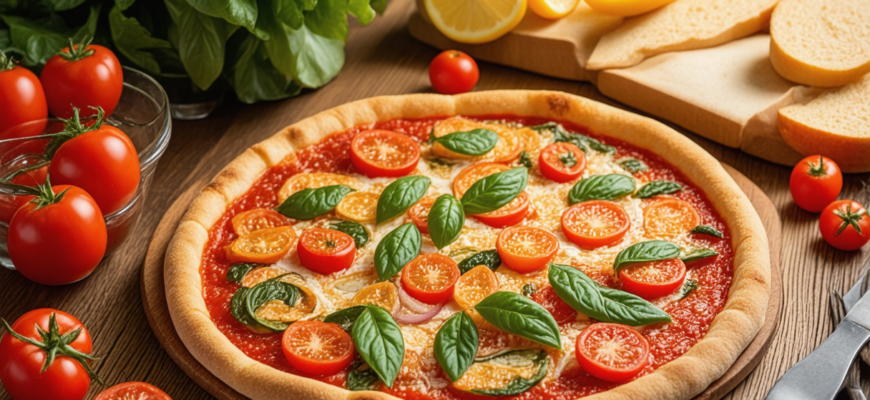
Pizza is often associated with indulgence and comfort food, yet with thoughtful ingredient choices and cooking methods, it can be transformed into a nutritious part of a heart-healthy lifestyle. Incorporating pizza into a balanced diet requires understanding its nutritional aspects, selecting wholesome ingredients, and following simple recipes that support cardiovascular health. This comprehensive guide delves into the principles of creating delicious, satisfying, and heart-smart pizzas that fit seamlessly into a healthy diet.
- Understanding Heart-Healthy Eating: The Basics
- What Does a Heart-Healthy Diet Entail?
- Key Nutritional Factors Affecting Heart Health
- Reimagining Pizza: A Heart-Healthy Approach
- Challenges of Traditional Pizza
- Core Principles for Heart-Healthy Pizza
- Ingredients for Heart-Healthy Pizza
- Crust Options
- Sauce Choices
- Cheese Choices
- Healthy Toppings
- Flavor Enhancers
- Step-by-Step Guide to Prepare Heart-Healthy Pizza
- 1. Preparing the Base
- 2. Making the Sauce
- 3. Choosing and Preparing Toppings
- 4. Assembling the Pizza
- 5. Baking
- Additional Tips for a Heart-Healthy Pizza
- The Nutritional Benefits of Heart-Healthy Pizza
- Sample Recipe: Mediterranean-Inspired Heart-Healthy Pizza
- Ingredients
- Preparation Steps
- Incorporating Heart-Healthy Pizza into Daily Life
Understanding Heart-Healthy Eating: The Basics
What Does a Heart-Healthy Diet Entail?
Before exploring how pizza can be adapted into a heart-friendly meal, it’s crucial to understand the foundational principles of a heart-healthy diet. Such diets focus on nutrient-dense foods that promote good cholesterol levels, reduce blood pressure, and prevent cardiovascular diseases. The key components include:
- Emphasis on fruits, vegetables, whole grains, and legumes
- Preference for lean proteins such as fish, poultry, and plant-based options
- Use of healthy fats, notably monounsaturated and polyunsaturated fats
- Limitation of saturated fats, trans fats, added sugars, and sodium
Key Nutritional Factors Affecting Heart Health
| Nutrient | Impact on Heart Health | Recommended Intake |
|---|---|---|
| Fats | Healthy fats improve cholesterol levels; trans and saturated fats raise bad cholesterol | Opt for unsaturated fats; limit saturated fats to <7% of daily calories |
| Sodium | Excess sodium increases blood pressure, raising cardiovascular risk | Limit to less than 2,300 mg per day; ideally 1,500 mg for most adults |
| Sugar | High sugar intake may lead to obesity and heart disease | Limit added sugars to less than 6 teaspoons (25 grams) per day |
| Fiber | Reduces cholesterol and improves blood sugar control | Aim for at least 25-30 grams daily |
Reimagining Pizza: A Heart-Healthy Approach
Challenges of Traditional Pizza
Conventional pizza often contains ingredients that conflict with heart health guidelines—refined white flour crust, excessive cheese, processed meats, and high sodium levels. Recognizing these issues is the first step towards creating healthier options. However, it is entirely possible to enjoy pizza while aligning with nutritional recommendations by making strategic ingredient choices.
Core Principles for Heart-Healthy Pizza
To craft a pizza that supports cardiovascular health, consider the following principles:
- Use whole grain or vegetable-based crusts instead of refined flour dough
- Select lean proteins or plant-based toppings over processed meats
- Increase vegetable content to boost fiber, vitamins, and minerals
- Use minimal salt and opt for herbs and spices for flavor
- Choose healthy fats, such as olive oil, over saturated fats
Ingredients for Heart-Healthy Pizza
Crust Options
- Whole wheat or whole grain flour crust
- Cauliflower or vegetable-based crust for lower carbs and calories
- Oats or spelt flour crust
Sauce Choices
- Homemade tomato sauce with minimal salt and sugar
- Pureed roasted vegetables for unique flavors and extra nutrients
Cheese Choices
- Part-skim mozzarella or low-fat cheese
- Cauliflower-based or nut-based cheeses
- Use cheese sparingly to control saturated fat intake
Healthy Toppings
- Leafy greens (spinach, arugula, kale)
- Colorful vegetables (bell peppers, mushrooms, tomatoes)
- Lean proteins such as grilled chicken, turkey, or seafood
- Beans or legumes for added fiber and plant-based protein
Flavor Enhancers
Fresh herbs (basil, oregano, cilantro), garlic, lemon juice, and red pepper flakes deepen flavor without adding sodium or unhealthy fats.
Step-by-Step Guide to Prepare Heart-Healthy Pizza
1. Preparing the Base
Start with a wholesome crust. For example, a simple whole wheat crust can be prepared using:
- 1 ½ cups whole wheat flour
- ½ teaspoon salt
- ½ teaspoon baking powder
- 2 tablespoons olive oil
- ½ cup warm water
Mix ingredients until a dough forms, knead for 5–7 minutes, then roll out into your preferred shape. Bake at 200°C (392°F) for 10-15 minutes before adding toppings.
2. Making the Sauce
Fresh tomato sauce can be made with:
- 2 cups diced ripe tomatoes or canned tomatoes with no added salt
- 2 cloves garlic minced
- 1 tablespoon olive oil
- Fresh or dried herbs (basil, oregano)
- Pinch of black pepper
Sauté garlic in olive oil, add tomatoes and herbs, simmer for 20 minutes. Blend if desired for a smoother texture.
3. Choosing and Preparing Toppings
Select high-fiber vegetables, lean proteins, and minimal cheese. Prepare by washing, chopping, and lightly cooking some toppings if necessary, such as grilling chicken or sautéing vegetables.
4. Assembling the Pizza
- Spread the tomato sauce evenly over the crust.
- Sprinkle a modest amount of cheese.
- Add vegetable toppings generously.
- Include lean protein sources.
- Finish with fresh herbs and a drizzle of olive oil.
5. Baking
Bake the assembled pizza at 200°C (392°F) for 15-20 minutes until crust is golden and toppings are cooked through.
Additional Tips for a Heart-Healthy Pizza
- Control portion sizes—one typical slice should be sufficient.
- Limit cheese to reduce saturated fat.
- Add extra vegetables to increase fiber and micronutrients.
- Use cooking methods like grilling or baking rather than frying.
- Experiment with herbs and spices to enhance flavor without added salt.
The Nutritional Benefits of Heart-Healthy Pizza
Adopting these strategies transforms pizza into a nutritious meal that contributes to cardiovascular health. The benefits include:
- Increased intake of dietary fiber, which helps lower cholesterol
- Higher consumption of vegetables and fruits, rich in vitamins and antioxidants
- Healthy fats derived from olive oil, nuts, and seeds
- Lean proteins supporting muscle maintenance and satiety
- Reduced sodium intake, lowering blood pressure risks
Sample Recipe: Mediterranean-Inspired Heart-Healthy Pizza
Ingredients
- Whole wheat pizza crust
- Homemade tomato sauce with herbs
- Fresh spinach and cherry tomatoes
- Sliced black olives (moderate amount)
- Crumbled feta cheese or low-fat cheese
- Olive oil, for drizzling
- Fresh basil leaves for garnish
Preparation Steps
- Pre-bake crust at 200°C (392°F) for 10 minutes.
- Spread sauce evenly and layer with vegetables and cheese.
- Bake for another 12-15 minutes until crust is golden.
- Finish with a drizzle of olive oil and fresh basil leaves.
Incorporating Heart-Healthy Pizza into Daily Life
Making pizza a part of a heart-healthy diet is achievable through thoughtful ingredient selection and cooking techniques. By prioritizing whole grains, vegetables, lean proteins, and healthy fats, pizza can become not only a favorite indulgence but also a support for cardiovascular well-being. Embracing these principles allows for culinary creativity and enjoyment without compromising health goals.
Ultimately, moderation, variety, and mindful choices are fundamental. Whether preparing a quick weekday dinner or a special weekend treat, heart-healthy pizza recipes offer delicious solutions that align with a balanced lifestyle. Innovation in the kitchen and awareness of nutritional value pave the way for flavor-rich, healthful meals suitable for every taste and dietary need.
Похожие записи:
 The Importance of Portion Control for Healthy Pizza Consumption
  The Rise of Healthy and Alternative Pizza Options: A Delicious Revolution
  Creating Flavorful and Colorful Veggie-Based Pizzas: A Guide to Delicious, Healthy, and Vibrant Pies
  Balancing Macronutrients in Homemade Pizza Recipes: A Complete Guide
  Creating Balanced Pizza Recipes That Support Weight Management
  The Significance of Calcium and Vitamin D in Cheese-Heavy Pizzas
  Unlocking the Secrets of Traditional Pizza: Nutritional Components and Their Impact on Health
  The Benefits of Adding Vegetables to Your Pizza for Health
  Exploring the Antioxidants in Tomato Sauce and Their Health Benefits
  Enhancing Pizza with High-Antioxidant Toppings for Better Health
  The Impact of Cheese Types on Pizza’s Nutritional Profile
  Unlocking Nutrition: How to Incorporate Superfoods into Pizza Toppings for a Healthier Twist
  Fiber-Rich Toppings to Boost Digestive Health in Pizza Dishes
  California-Inspired Pizzas: Fresh Avocado, Sprouts, and Lemon Zest for Every Taste
  Innovative Approaches to Pizza Crusts: Enhancing Nutrition with Alternative Flours
  The Benefits of Probiotics in Cheese Used for Pizza