
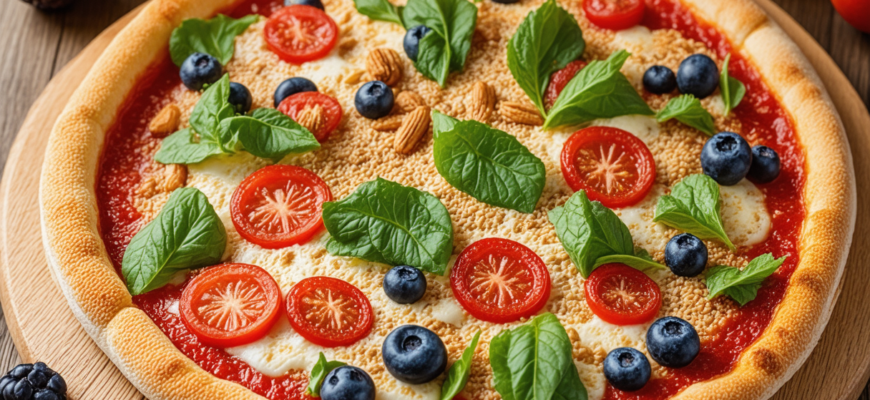
Pizza is undeniably one of the most beloved dishes worldwide, celebrated for its versatility, rich flavors, and ability to adapt to countless culinary traditions. Traditionally, pizza garners its popularity from its flavorful crust, savory sauce, melted cheese, and a variety of toppings, from simple pepperoni to complex vegetable combinations. However, with increasing awareness about health and wellness, many enthusiasts are seeking ways to make this popular dish more nutritious without sacrificing its delicious appeal.
One promising approach is to incorporate high-antioxidant toppings into your pizza, transforming it into a healthful meal that not only satisfies cravings but also offers substantial health benefits. Antioxidants are vital compounds that help neutralize free radicals in the body, reducing oxidative stress and lowering the risk of chronic diseases such as heart disease, diabetes, and certain cancers. This article explores how to enhance your pizza with antioxidant-rich ingredients, provides insights into their health benefits, and offers practical tips and recipes to make your pizza both delicious and nutritious.
- Understanding Antioxidants and Their Role in Health
- What Are Antioxidants?
- Common Types of Antioxidants
- Health Benefits of Antioxidants
- Why Incorporate High-Antioxidant Toppings on Pizza?
- Advantages of Using Antioxidant-Rich Ingredients
- Popular High-Antioxidant Pizza Toppings
- Top Antioxidant-Rich Ingredients for Pizza
- 1. Spinach and Other Dark Leafy Greens
- 2. Berries
- 3. Nuts and Seeds
- 4. Colorful Vegetables
- 5. Herbs and Spices
- Practical Tips for Creating Healthy, Antioxidant-Packed Pizzas
- Choosing the Right Base
- Using Nutritious Sauces
- Layering Toppings Strategically
- Limit Unhealthy Additions
- Sample High-Antioxidant Pizza Recipe
- Ingredients
- Preparation Steps
- Additional Tips for Maximizing Antioxidant Intake
- Experiment with Superfoods
- Use Seasonal Ingredients
- Balance Flavors and Textures
- The Science Behind Antioxidants and Pizza
- Bioavailability and Cooking
- Synergistic Effects
- Making Your Pizza a Healthy Indulgence
- References
Understanding Antioxidants and Their Role in Health
What Are Antioxidants?
Antioxidants are naturally occurring substances found in various foods, particularly in fruits, vegetables, nuts, and grains. These compounds work by combating oxidative stress caused by free radicals—unstable molecules produced during metabolic processes or due to environmental factors like pollution, radiation, and smoking. By neutralizing free radicals, antioxidants help protect cell structures, support immune function, and reduce the risk of chronic illnesses.
Common Types of Antioxidants
- Vitamins: Vitamin C, Vitamin E, and Beta-carotene
- Polyphenols: Flavonoids, phenolic acids, and catechins
- Minerals: Selenium and zinc
- Phytonutrients: Curcumin, resveratrol, and anthocyanins
Health Benefits of Antioxidants
Regular consumption of antioxidant-rich foods is linked to several health advantages:
- Reduced oxidative damage to cells and DNA
- Lowered risk of cardiovascular diseases
- Improved immune defense
- Enhanced skin health and aging prevention
- Better regulation of blood sugar levels
Why Incorporate High-Antioxidant Toppings on Pizza?
Advantages of Using Antioxidant-Rich Ingredients
Integrating high-antioxidant toppings into pizza offers a synergistic blend of indulgence and health. It allows pizza lovers to enjoy their favorite dish while gaining nutritional benefits. Moreover, these toppings often add vibrant colors, intense flavors, and varied textures, elevating the overall eating experience.
Popular High-Antioxidant Pizza Toppings
- Dark leafy greens: Spinach, arugula, kale
- Berries: Blueberries, raspberries (used as toppings or incorporated into sauces)
- Nuts and seeds: Walnuts, flaxseeds, chia seeds
- Colored vegetables: Bell peppers, red onions, tomatoes, eggplants
- Herbs and spices: Basil, oregano, turmeric, cinnamon
Top Antioxidant-Rich Ingredients for Pizza
1. Spinach and Other Dark Leafy Greens
Spinach is a powerhouse of antioxidants like lutein, beta-carotene, and vitamin C. It adds a mild, slightly bitter flavor that complements cheese and tomato sauce. Incorporating spinach on top or mixing it into the sauce increases the nutritional profile significantly.
2. Berries
While unconventional on traditional pizzas, berries such as blueberries and raspberries, when used as toppings or incorporated into sauces, provide anthocyanins—potent antioxidants associated with anti-inflammatory effects.
3. Nuts and Seeds
Adding chopped walnuts or sprinkling flaxseeds enriches the pizza with polyphenols, omega-3 fatty acids, and vitamin E, promoting heart health and reducing inflammation.
4. Colorful Vegetables
- Red peppers: Rich in vitamin C and carotenoids
- Tomatoes: Contain lycopene, a powerful antioxidant linked with cancer prevention
- Eggplants: Have nasunin, an anthocyanin with antioxidant properties
5. Herbs and Spices
Herbs like basil and oregano are high in flavonoids, while spices such as turmeric contain curcumin, recognized for its anti-inflammatory and antioxidant effects. Adding these to your pizza not only enhances flavor but also boosts health benefits.
Practical Tips for Creating Healthy, Antioxidant-Packed Pizzas
Choosing the Right Base
Opt for whole-grain or cauliflower crusts to increase fiber and nutrient content. These options support digestion, blood sugar regulation, and overall health. Avoid highly refined flour bases, which are lower in nutritional value.
Using Nutritious Sauces
Instead of traditional tomato sauce, consider blending tomatoes with additional antioxidant-rich ingredients such as red peppers, carrots, or turmeric. You can also use pesto made from basil, spinach, or arugula for a flavorful, healthy alternative.
Layering Toppings Strategically
Distribute antioxidant-rich vegetables and toppings evenly to maximize nutrient intake. Combine contrasting flavors, such as sweetness from bell peppers with the bitterness of kale, to create balanced and appealing pizzas.
Limit Unhealthy Additions
Reduce or eliminate processed meats and excessive cheese. Instead, incorporate lean proteins like grilled chicken or seafood, and opt for cheeses with lower fat content when possible.
Sample High-Antioxidant Pizza Recipe
Ingredients
| Ingredient | Quantity | Notes |
|---|---|---|
| Whole-grain pizza crust | 1 base | Pre-baked |
| Homemade tomato sauce | 1/2 cup | Blended with red bell peppers and turmeric |
| Fresh spinach | 1 cup | Chopped |
| Red bell peppers | 1/2 cup | Sliced |
| Blueberries | 1/4 cup | Sprinkled on top |
| Walnuts | 2 tbsp | Chopped |
| Olive oil, extra virgin | 1 tbsp | For drizzling |
| Fresh basil | a few leaves | Chopped |
Preparation Steps
- Preheat oven to 220°C (430°F).
- Spread the tomato sauce evenly over the pre-baked crust.
- Layer the chopped spinach and sliced red bell peppers on top.
- Sprinkle blueberries and chopped walnuts evenly over the toppings.
- Drizzle with olive oil and bake for 12-15 minutes until crust is golden and toppings are slightly roasted.
- Remove from oven, garnish with fresh basil, and serve hot.
Additional Tips for Maximizing Antioxidant Intake
Experiment with Superfoods
Incorporate superfoods like chia seeds, hemp seeds, or spirulina into your pizza for added antioxidants and nutrients. For example, sprinkle chia seeds over cheese or mix spirulina into the sauce for a vibrant green hue and health boost.
Use Seasonal Ingredients
Seasonal vegetables and fruits tend to be fresher and more nutrient-dense. Adapt your toppings based on seasonal availability to maximize flavor and health benefits.
Balance Flavors and Textures
Combine crunchy nuts with smooth cheeses and crisp vegetables to create a delightful eating experience that also packs a nutritional punch.
The Science Behind Antioxidants and Pizza
Bioavailability and Cooking
Cooking methods influence the bioavailability of antioxidants. For instance, lightly steaming or roasting vegetables helps retain antioxidants better than boiling or prolonged cooking. When baking pizza, it’s essential to add sensitive ingredients like fresh herbs and berries after baking or towards the end to preserve their antioxidant properties.
Synergistic Effects
Combining different antioxidant-rich ingredients can have a synergistic effect, amplifying their health benefits. For example, pairing lycopene in tomatoes with fat sources like olive oil improves absorption.
Making Your Pizza a Healthy Indulgence
Incorporating high-antioxidant toppings into your pizza is an effective and enjoyable way to enhance its health profile. By choosing nutrient-dense ingredients, experimenting with whole-grain bases, and balancing flavors, pizza enthusiasts can indulge guilt-free while supporting their wellness goals. The key lies in creativity and moderation—transforming this classic comfort food into a nutritious, vibrant, and flavorful dish that aligns with a health-conscious lifestyle.
With a diverse palette of antioxidant-rich toppings available, everyone can craft pizza recipes suited to their tastes and nutritional needs. Whether topping your pizza with leafy greens, berries, nuts, or herbs, the possibilities are endless for making each slice a step toward better health and wellbeing.
References
- Khansari, N., et al. (2009). Oxidative stress and inflammation: a link between lifestyle and diseases. Biomedical Pharmacotherapy, 63(8), 447-455.
- Ramos, C. V., et al. (2016). Antioxidants in vegetables and fruits: a focus on health benefits. Food Science & Nutrition, 4(4), 481-495.
- Liu, R. H. (2004). Potential synergy of phytochemicals in cancer prevention: additive and antagonistic effects. The Journal of Nutrition, 134(12 Suppl), 3479S-3485S.
Похожие записи:
 Fiber-Rich Toppings to Boost Digestive Health in Pizza Dishes
  Exploring the Antioxidants in Tomato Sauce and Their Health Benefits
  Unlocking Nutrition: How to Incorporate Superfoods into Pizza Toppings for a Healthier Twist
  Unlocking the Secrets of Traditional Pizza: Nutritional Components and Their Impact on Health
  Innovative Approaches to Pizza Crusts: Enhancing Nutrition with Alternative Flours
  The Benefits of Adding Vegetables to Your Pizza for Health
  Korean BBQ-Inspired Toppings with Marinated Beef and Kimchi: A Fusion of Flavors
  Sweet Potato Slices, Arugula, and Blue Cheese for a Sophisticated Bite: Elevating Pizza Toppings to Gourmet Levels
  Mediterranean Medley: Olives, Sun-Dried Tomatoes, and Feta Cheese – A Flavorful Journey into Mediterranean Pizza Toppings
  Discover the Perfect Georgian Mchadi with Toppings: A Delicious Traditional Bread to Complement Every Meal
  Discovering Czech Pizza: Delicious Variations and Traditional Toppings
  Creating Balanced Pizza Recipes That Support Weight Management
  Japanese Okonomiyaki with Pizza-Like Toppings: A Fusion of Flavors and Culinary History
  The Influence of World Cuisines on Pizza Toppings: A Global Culinary Journey
  Balancing Macronutrients in Homemade Pizza Recipes: A Complete Guide
  Mastering the Art of Evenly Cooked Pizza Toppings Without Burning the Crust