
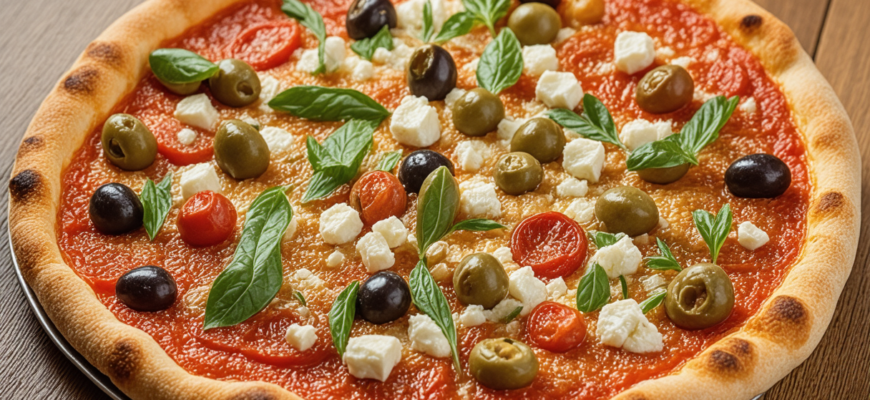
The Mediterranean region has long captivated culinary enthusiasts with its vibrant flavors, fresh ingredients, and rich culinary history. When it comes to pizza toppings, Mediterranean ingredients such as olives, sun-dried tomatoes, and feta cheese stand out as iconic elements that bring depth, aroma, and authentic taste to every slice. This comprehensive guide explores the cultural origins, nutritional benefits, and culinary versatility of these ingredients, illustrating how they can elevate pizza recipes into a celebration of Mediterranean culinary heritage.
- Introduction to Mediterranean Cuisine: A Legacy of Flavor and Tradition
- The Key Ingredients of the Mediterranean Medley
- Olives: The Quintessential Mediterranean Fruit
- Table 1: Popular Olive Varieties and Their Characteristics
- Sun-Dried Tomatoes: Intensity and Sweetness concentrated
- Types of Sun-Dried Tomatoes
- Feta Cheese: The Crumbly, Salty Delight
- The Art of Combining These Ingredients in Pizza Making
- Historical Context of Mediterranean-Inspired Pizzas
- Core Techniques for Incorporating Mediterranean Ingredients
- Popular Mediterranean Pizza Recipes Featuring Olives, Sun-Dried Tomatoes, and Feta
- 1. Classic Greek-Style Pizza
- Ingredients:
- Preparation Steps:
- 2. Mediterranean Veggie & Feta Pizza
- Additional Ingredients:
- Preparation Tips:
- The Nutritional and Health Benefits of Mediterranean Ingredients
- Olives
- Sun-Dried Tomatoes
- Feta Cheese
- Preparing Mediterranean Toppings at Home
- Homemade Olives
- Sun-Dried Tomatoes
- Making Feta Cheese
- The Future of Mediterranean Pizza Toppings
- Embracing the Mediterranean Flavor Palette
Introduction to Mediterranean Cuisine: A Legacy of Flavor and Tradition
The Mediterranean diet and cuisine are renowned worldwide for their emphasis on healthy fats, fresh produce, and bold flavors. Countries bordering the Mediterranean Sea — including Greece, Italy, Spain, Turkey, and Morocco — have cultivated a diverse tapestry of culinary traditions. Central to many of these dishes are ingredients like olives, sun-dried tomatoes, and feta cheese, each with unique histories and significance.
Understanding the roots of these staples provides insight into their flavors and guides their use in modern cuisine, especially in creating authentic Mediterranean-style pizzas that combine tradition with contemporary culinary techniques.
The Key Ingredients of the Mediterranean Medley
Olives: The Quintessential Mediterranean Fruit
Olives have been cultivated in the Mediterranean region for thousands of years, serving not only as a dietary staple but also as a symbol of peace and prosperity. They are the fruit of the olive tree (Olea europaea), native to the region, with core cultivation areas in Greece, Spain, Italy, and Turkey.
There are numerous varieties of olives, each with distinctive flavor profiles—from the briny, robust Kalamata to the mild, buttery Castelvetrano. Olives can be enjoyed whole, sliced, or processed into tapenade and oils, enhancing the flavor complexity of dishes.
Table 1: Popular Olive Varieties and Their Characteristics
| Variety | Flavor Profile | Best Used In |
|---|---|---|
| Kalamata | Rich, fruity, slightly smoky | Salads, tapenade, toppings |
| Castelvetrano | Mild, buttery, and sweet | Snacking, toppings |
| Gaeta | Strong, briny, and slightly bitter | Pizza, sauces |
| Nyon | Small, firm, and tart | Garnishes, dishes |
Sun-Dried Tomatoes: Intensity and Sweetness concentrated
Sun-dried tomatoes are a culinary innovation dating back to ancient times, especially widespread in Italy and other Mediterranean countries. The process of drying tomatoes concentrates their sugars and flavors, resulting in a sweet, tangy, and intensely savory ingredient that adds depth to various dishes.
They are typically prepared by drying ripe tomatoes under the sun or through mechanical processes, then preserved in oil or packed dried. Their chewy texture and concentrated flavor make them an excellent addition to pizza, pasta, salads, and antipasti.
Types of Sun-Dried Tomatoes
- Oil-Packed Dried Tomatoes
- Dry Non-Oil Packaged
- Marinated Sun-Dried Tomatoes
Feta Cheese: The Crumbly, Salty Delight
Feta cheese, originating from Greece, is a brined white cheese made primarily from sheep’s milk, with some varieties including goat’s milk. Its crumbly texture, salty flavor, and tangy notes make it a versatile component in Mediterranean cooking. Feta has been a staple in Greek salads, pastries, and, notably, pizzas.
In gourmet and home cooking, feta can be crumbled over baked pizzas, melted into sauces, or combined with herbs and vegetables to create flavorful toppings that evoke the spirit of the Mediterranean.
The Art of Combining These Ingredients in Pizza Making
Historical Context of Mediterranean-Inspired Pizzas
The concept of integrating Mediterranean flavors into traditional pizza originated during the Italian-American culinary evolution, inspired by regional dishes around the Mediterranean basin. Chefs and home cooks started experimenting by adding ingredients like olives, sun-dried tomatoes, and feta to classic pizza bases, creating a fusion that celebrates global culinary diversity.
This influence grew into a recognized style of pizza characterized by fresh, bold flavors and Mediterranean ingredients, offering a nutritious and satisfying alternative to traditional options.
Core Techniques for Incorporating Mediterranean Ingredients
- Preparing the Base: Use a classic pizza dough recipe incorporating high-quality flour, water, yeast, salt, and olive oil. For an authentic touch, allow the dough to ferment adequately for flavor development.
- Choosing the Sauce: Opt for simple tomato sauce seasoned minimally with herbs like oregano, basil, and garlic, which complement the toppings rather than overpower them.
- Assembling the Pizza: Spread the sauce evenly, then layer with ingredients such as sliced olives, sun-dried tomatoes, crumbled feta, and other Mediterranean elements like fresh basil or arugula.
- Baking: Use a hot oven (250°C/482°F or higher) to ensure a crisp crust and properly melted toppings. Baking time typically varies from 10 to 15 minutes.
Popular Mediterranean Pizza Recipes Featuring Olives, Sun-Dried Tomatoes, and Feta
1. Classic Greek-Style Pizza
This pizza is a homage to Greek cuisine, featuring feta cheese, Kalamata olives, and sun-dried tomatoes on a thin, crispy base.
Ingredients:
- Pizza dough
- Tomato sauce
- Feta cheese
- Olives (Kalamata or Gaeta)
- Sun-dried tomatoes
- Red onion (thinly sliced)
- Fresh oregano or basil
Preparation Steps:
- Preheat oven to 250°C (482°F).
- Spread the tomato sauce over the rolled-out dough.
- Sprinkle crumbled feta evenly across the surface.
- Add sliced olives and chopped sun-dried tomatoes.
- Top with red onion slices and fresh herbs.
- Bake for 12-15 minutes until crust is golden and cheese is bubbling.
2. Mediterranean Veggie & Feta Pizza
Ideal for vegetarians, this variation combines a medley of roasted vegetables with tangy feta, olives, and sun-dried tomatoes.
Additional Ingredients:
- Roasted bell peppers and zucchini
- Artichoke hearts
- Capers
Preparation Tips:
- Brush the vegetables with olive oil before roasting for added flavor.
- Distribute the vegetables evenly over the base before baking.
- Sprinkle feta cheese and olives over the top just before removing from the oven.
The Nutritional and Health Benefits of Mediterranean Ingredients
Olives
Rich in monounsaturated fats, olives promote cardiovascular health, reduce inflammation, and contain antioxidants such as vitamin E and polyphenols.
Sun-Dried Tomatoes
High in lycopene, vitamin C, and potassium, sun-dried tomatoes contribute to improved skin health, immune function, and reduced risk of chronic disease.
Feta Cheese
A good source of protein and calcium, feta provides essential nutrients for bone health. Its lower fat content compared to other cheeses makes it a healthier choice when consumed in moderation.
Preparing Mediterranean Toppings at Home
Homemade Olives
While most olives are commercially processed, enthusiasts can try curing their own olives at home through brining or fermentation. This process entails soaking ripe olives in a saltwater solution for several weeks to develop flavor and reduce bitterness.
Sun-Dried Tomatoes
Drying tomatoes naturally under the sun or using a dehydrator preserves them. For marinated sun-dried tomatoes, soak dried slices in olive oil with herbs like thyme, oregano, and garlic.
Making Feta Cheese
Traditional feta production involves curdling sheep’s milk and aging the curds in brine for several months. Homemade feta is a complex process but can be simplified using starter cultures and unpasteurized milk, with precise temperature control.
The Future of Mediterranean Pizza Toppings
With growing interest in healthy eating, plant-based diets, and global fusion cuisines, Mediterranean ingredients continue to gain popularity in innovative pizza recipes. Chefs are experimenting with vegan feta, alternative olives, and sun-dried tomatoes in gluten-free or cauliflower-based crusts to meet diverse dietary needs.
Moreover, sustainability concerns promote the use of locally sourced, organic olive oils and vegetables, aligning with Mediterranean principles of wholesome, seasonal ingredients.
Embracing the Mediterranean Flavor Palette
The combination of olives, sun-dried tomatoes, and feta cheese encapsulates the essence of Mediterranean cuisine—rich in history, flavor, and nutritional benefits. When incorporated thoughtfully into pizza recipes, these ingredients transform a simple dish into a culinary experience that celebrates the vibrant flavors of the sea, sun, and earth.
Whether preparing a classic Greek-inspired pizza or creating innovative vegetarian options, understanding the origins, preparation methods, and flavor profiles of these ingredients allows for limitless culinary creativity. Embracing the Mediterranean medley offers a delicious, healthy, and culturally enriching addition to any pizza repertoire.
Похожие записи:
 Croatian Pizza with Mediterranean Influences: A Culinary Journey
  The Influence of World Cuisines on Pizza Toppings: A Global Culinary Journey
  Creating Flavorful and Colorful Veggie-Based Pizzas: A Guide to Delicious, Healthy, and Vibrant Pies
  The Journey of Creating Vegan Cheese for Pizza: From Concept to Slice
  The Role of Local Ingredients in Regional Pizza Recipes: A Culinary Journey Across Cultures
  Lebanese Manakish with Za’atar and Cheese: A Delicious Twist on Traditional Pizzas
  Japanese Okonomiyaki with Pizza-Like Toppings: A Fusion of Flavors and Culinary History
  Discovering Azerbaijani Khachapuri Variations: A Regional Culinary Journey
  Discover the Perfect Georgian Mchadi with Toppings: A Delicious Traditional Bread to Complement Every Meal
  The Evolution of Pizza Sauce Recipes Over Time: A Delicious Journey Through History
  Choosing the Right Cheese Blends for Melting Excellence: The Ultimate Guide
  Swedish Spritz with Its Thin Crust and Savory Toppings: A Delicious Twist in Pizza Styles
  The Cultural Adaptation of Pizza in Different Countries: A Global Culinary Journey
  Calzone: The Folded Pizza from Italy – A Delicious Journey into Italian Cuisine
  Discovering Czech Pizza: Delicious Variations and Traditional Toppings
  Mexican Tlayuda and Its Rustic Toppings: A Deep Dive into a Unique Culinary Tradition