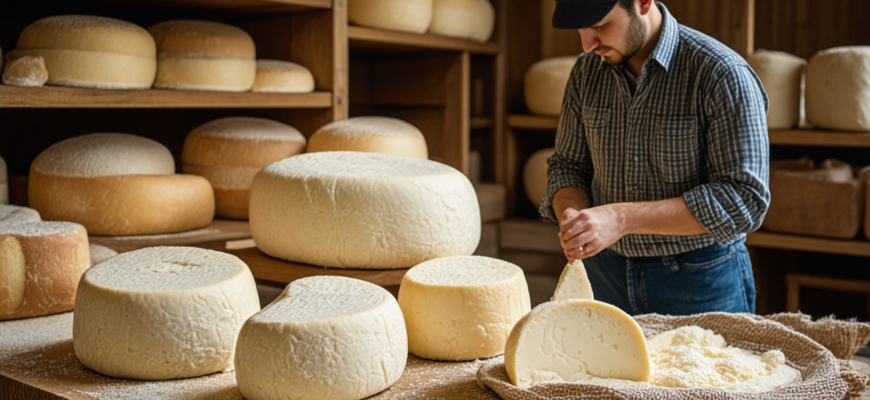
Cheese has been a beloved staple in human diets for thousands of years, appreciated not only for its rich flavors and diverse varieties but also for its nutritional benefits. At the heart of cheese’s unique qualities lies the fermentation process, a complex biochemical transformation that influences the structure and accessibility of nutrients within the product. Understanding how fermentation affects bioavailability—the proportion of nutrients that can be absorbed and utilized by the body—can shed light on the health benefits of cheese and its role in a balanced diet, especially when paired with the culinary theme of pizzas and traditional recipes of Italian cuisine.
- Introduction to Cheese Fermentation
- What is Cheese Fermentation?
- Key Microorganisms Involved
- The Science Behind Fermentation and Nutrient Bioavailability
- What is Bioavailability?
- How Fermentation Alters Nutrient Structures
- Effects of Fermentation on Specific Nutrients
- Proteins and Amino Acids
- Minerals
- Vitamins
- Lipids and Fatty Acids
- Types of Cheeses and Their Fermentation Processes
- Fresh Cheeses
- Older and Aged Cheeses
- Specialty and Blue Cheeses
- Practical Implications for Dietary Choices
- Cheese Consumption and Nutrient Absorption
- Cheese and Pizza: An Ideal Pairing
- Table: Nutritional Impact of Different Cheese Types
- Formulas and Quantitative Insights
- Calculating Mineral Bioavailability Enhancement
- Example Calculation:
- Fermentation as a Natural Enhancer of Nutritional Value
- References
Introduction to Cheese Fermentation
What is Cheese Fermentation?
Cheese fermentation is a microbial-driven process during which specific bacteria and molds convert milk’s lactose and protein components into a range of metabolites, including acids, enzymes, and flavorful compounds. This process transforms raw milk into cheese, imparting unique textures, flavors, and aromas. Fermentation not only enhances sensory qualities but also impacts the nutritional profile significantly.
Key Microorganisms Involved
- Lactic acid bacteria (LAB): Genera such as Lactococcus, Lactobacillus, and Streptococcus are primarily responsible for acidification, which curdles milk and develops the cheese matrix.
- Molds: Penicillium species, used in blue cheeses and certain soft cheeses, contribute to flavor development and texture.
- Yeasts: Minor roles in some cheeses, aiding in aging and flavor complexity.
The Science Behind Fermentation and Nutrient Bioavailability
What is Bioavailability?
Bioavailability refers to the fraction of nutrients that is absorbed from the digestive tract into the bloodstream to be used for metabolic processes. Several factors influence nutrient bioavailability, such as the physical and chemical nature of the food matrix, the presence of anti-nutrients, and the activity of digestive enzymes.
How Fermentation Alters Nutrient Structures
Fermentation triggers chemical changes in milk proteins and fats, which can enhance or diminish nutrient bioavailability. Some key mechanisms include:
- Breakdown of Proteins: Proteolytic enzymes produced during fermentation hydrolyze milk proteins into smaller peptides and amino acids, often making them easier for the body to absorb.
- Reduction of Anti-Nutrients: Certain anti-nutritional factors, such as phytic acid, can bind minerals and reduce absorption. Fermentation can decrease these inhibitors, improving mineral bioavailability.
- Alteration of Fat Structures: Lipolytic activity during fermentation can modify fat molecules, influencing their digestibility.
- Flavor and Compound Formation: The development of organic acids, alcohols, and esters redistributes the nutrient profile, affecting bioaccessibility.
Effects of Fermentation on Specific Nutrients
Proteins and Amino Acids
During fermentation, casein proteins undergo proteolysis, resulting in smaller peptides and amino acids. This process can increase protein digestibility. For example, studies have shown that aged cheeses tend to have higher levels of free amino acids, which can be more readily absorbed by the human gut. Additionally, certain bioactive peptides formed during fermentation possess health-promoting properties such as antihypertensive effects.
Minerals
- Calcium: Essential for bone health, calcium in cheese is typically in a bioavailable form. Fermentation can influence calcium accessibility; in some cases, fermentation reduces calcium-binding inhibitors like phytic acid, enhancing absorption.
- Iron and Zinc: Fermentation may improve the bioavailability of these trace minerals by degrading anti-nutrients and altering pH levels, which facilitates mineral solubilization.
Vitamins
Fermentation can modulate vitamin content in cheese. For example, Vitamin K2 (menaquinones) is produced during fermentation by certain bacteria, offering additional nutritional benefits. B-vitamins such as B12 can also be synthesized during microbial activity, contributing to dietary intake.
Lipids and Fatty Acids
Lipolysis during fermentation releases free fatty acids, which can influence flavor as well as absorption. Certain beneficial fatty acids like conjugated linoleic acid (CLA) are formed during microbial activity and are associated with health benefits.
Types of Cheeses and Their Fermentation Processes
Fresh Cheeses
Include varieties like ricotta and cottage cheese. Their fermentation process is minimal, often involving lactic acid bacteria fermentation during milk coagulation. They retain much of the original nutrient profile but with some modifications in microbial content.
Older and Aged Cheeses
Examples include cheddar, gouda, and parmesan. These undergo longer fermentation and aging, allowing complex microbial activities that significantly alter nutrient bioavailability, often increasing the digestibility of proteins and minerals.
Specialty and Blue Cheeses
Involve molds like Penicillium roqueforti, which contribute to distinctive flavors and textures. The fermentation process here influences not only taste but also nutrient interaction within the cheese matrix.
Practical Implications for Dietary Choices
Cheese Consumption and Nutrient Absorption
Choosing cheeses that undergo extensive fermentation and aging can enhance the bioavailability of vital nutrients, making them more beneficial in human diets. Incorporating such cheeses into meals, including pizza recipes, can maximize nutritional benefits. For instance, aged cheeses like Parmesan are rich in bioaccessible calcium and amino acids, which support bone health and muscle function.
Cheese and Pizza: An Ideal Pairing
Pizza is one of the most popular culinary formats for cheese consumption worldwide. Using fermented cheeses with high bioavailability can amplify the health value of this dish. Selecting traditional varieties like mozzarella or aged Parmigiano-Reggiano ensures both flavor and nutritional advantages.
Table: Nutritional Impact of Different Cheese Types
| Cheese Type | Fermentation Duration | Key Nutritional Benefits | Bioavailability Impact |
|---|---|---|---|
| Fresh Cheese (e.g., Ricotta) | Minimal | High in moisture, moderate in protein, calcium, B-vitamins | Moderate; proteins less hydrolyzed |
| Aged Cheese (e.g., Cheddar, Parmesan) | Extended | Higher in free amino acids, bioavailable calcium, vitamin K2 | Enhanced; proteins and minerals more accessible |
| Blue Cheese | Extended with mold fermentation | Rich flavor, enhanced bioactive peptides | Significantly increased bioavailability of some nutrients |
Formulas and Quantitative Insights
Calculating Mineral Bioavailability Enhancement
Assuming a baseline mineral absorption rate from raw milk, fermentation can increase bioavailability. For example, if the initial calcium absorption is 30%, long-term fermentation can elevate this to about 50-60%. The following formula estimates calcium absorption enhancement:
Enhanced calcium absorption (%) = Baseline absorption (%) × (1 + Fermentation factor)
Where the Fermentation factor accounts for the reduction in anti-nutrients and structural changes, commonly ranging from 0.2 to 0.4 for aged cheeses, leading to a total absorption rate up to nearly double.
Example Calculation:
- Baseline calcium absorption: 30%
- Fermentation factor: 0.3 (30%) increase
- Enhanced absorption: 30% × (1 + 0.3) = 39%
Fermentation as a Natural Enhancer of Nutritional Value
Cheese fermentation plays a pivotal role in modifying the structure and bioavailability of essential nutrients. The microbial activity involved in fermentation not only develops the characteristic flavors, aromas, and textures but also enhances the digestibility and absorption of proteins, minerals, vitamins, and fats. Understanding these processes can guide consumers toward choosing cheeses that maximize nutritional benefits, particularly when incorporated into popular dishes like pizza, supporting a balanced, healthful diet. As culinary traditions continue to evolve, leveraging the natural power of fermentation remains a time-tested method to improve nutrient bioavailability, enriching both taste and health.
References
- Fox, P. F., & McSweeney, P. L. (2004). Cheese: Chemistry, Physics and Microbiology. Volume 1: General Aspects.
- Lucey, J. A., Johnson, D. R., & Fox, P. F. (2015). Proteolysis and flavor development in cheese. In: Encyclopedia of Dairy Sciences.
- Marco, M. L., et al. (2017). Fermented foods and health: microbiological, nutritional, and therapeutic aspects. Genes & Nutrition.
- Gänzle, M. G. (2015). Lactic acid bacteria as protective cultures in fermented foods. Current Opinion in Food Science.
Похожие записи:
 The Impact of Cheese Types on Pizza’s Nutritional Profile
  The Significance of Calcium and Vitamin D in Cheese-Heavy Pizzas
  The Benefits of Probiotics in Cheese Used for Pizza
  The Impact of Onion and Garlic Toppings on Immune Function
  Unlocking the Secrets of Traditional Pizza: Nutritional Components and Their Impact on Health
  Vegan Cheese Options and Their Nutritional Advantages on Pizza: A Comprehensive Guide
  The Journey of Creating Vegan Cheese for Pizza: From Concept to Slice
  Mediterranean Medley: Olives, Sun-Dried Tomatoes, and Feta Cheese – A Flavorful Journey into Mediterranean Pizza Toppings
  How to Boost Fiber Intake with Seed-Based Toppings on Pizza
  Innovative Strategies to Enhance Pizza’s Nutritional Value Without Increasing Calories
  Enhancing Pizza with High-Antioxidant Toppings for Better Health
  The Impact of Social Media on Pizza Marketing and Popularity
  Lebanese Manakish with Za’atar and Cheese: A Delicious Twist on Traditional Pizzas
  Choosing the Right Cheese Blends for Melting Excellence: The Ultimate Guide
  Exploring the Antioxidants in Tomato Sauce and Their Health Benefits
  How to Create High-Protein Pizza Options for Muscle Repair and Growth