
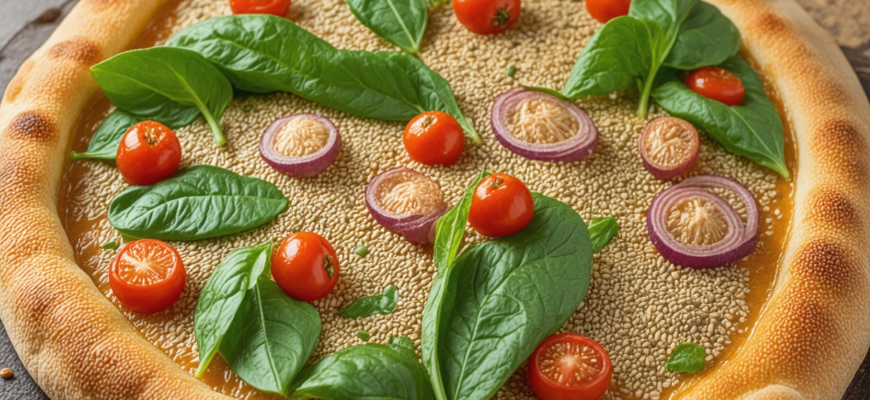
Pizza has long been celebrated as a universally beloved dish, offering endless possibilities for ingredients and flavor combinations. While traditionally viewed as indulgent comfort food, pizza can also be adapted into a healthy, fiber-rich meal by incorporating various seed-based toppings. Increasing dietary fiber is essential for digestive health, weight management, and overall well-being. This comprehensive guide explores how to elevate your pizza with seed-based toppings, emphasizing their nutritional benefits, preparation tips, and delicious recipes. Whether you’re a home cook looking to improve your diet or a pizza lover aiming for healthier options, this article provides practical advice and inspiration.
- Understanding Dietary Fiber and Its Importance
- What Is Dietary Fiber?
- Why Is Fiber Important?
- Seeds as a Fantastic Source of Dietary Fiber
- Popular Seeds Rich in Fiber
- Health Benefits of Including Seeds on Pizza
- How to Incorporate Seed Toppings on Pizza
- Best Practices for Using Seeds as Toppings
- Temperature Tips
- Creative Seed-Based Topping Combinations
- Classic and Nutty Flavors
- Healthy Gourmet Options
- Top 10 Seed Toppings for Extra Fiber
- How to Prepare Seed Toppings for Pizza
- Grinding and Prepping Seeds
- Toasting Seeds for Enhanced Flavor
- Sample Recipes for Fiber-Boosted Seed Toppings
- Seed and Vegetable Pizza with Chia and Pumpkin Seeds
- Mediterranean Pizza with Sesame and Sunflower Seeds
- Potential Challenges and Tips for Using Seeds on Pizza
- Common Challenges
- Practical Solutions
- Combining Flavor, Nutrition, and Creativity
- References
Understanding Dietary Fiber and Its Importance
What Is Dietary Fiber?
Dietary fiber refers to the indigestible parts of plant foods that pass through the gastrointestinal system largely intact. There are two main types of dietary fiber:
- Soluble fiber: Dissolves in water, forming a gel-like substance. Found in oats, barley, fruits, and seeds.
- Insoluble fiber: Does not dissolve in water and adds bulk to stool. Present in wheat bran, nuts, seeds, and the skin of fruits and vegetables.
Why Is Fiber Important?
Incorporating enough fiber into your diet offers numerous health benefits:
- Enhances digestive health by promoting regular bowel movements and preventing constipation.
2>Supports cardiovascular health by helping to lower cholesterol levels.
3>Regulates blood sugar levels, reducing the risk of type 2 diabetes.
4>Contributes to weight management by increasing satiety and reducing overall calorie intake.
5>Provides a variety of essential nutrients, as many high-fiber plant foods are nutrient-dense.
Seeds as a Fantastic Source of Dietary Fiber
Popular Seeds Rich in Fiber
Many seeds can be used as toppings on pizza to significantly boost fiber content. Here are some of the most fiber-rich seeds suitable for culinary use:
| Seed Type | Approximate Fiber Content (per 100g) | Additional Nutrients |
|---|---|---|
| Chia Seeds | 34g | Omega-3 fatty acids, protein, antioxidants |
| Flaxseeds | 27g | Lignans, omega-3s, lignans, healthy fats |
| Pumpkin Seeds | 18g | Magnesium, zinc, iron, healthy fats |
| Sunflower Seeds | 9g | Vitamin E, selenium, magnesium |
| Sesame Seeds | 11g | Calcium, iron, magnesium, antioxidants |
Health Benefits of Including Seeds on Pizza
Adding seeds not only enhances fiber content but also enriches the pizza with an array of beneficial nutrients:
- Provides healthy fats that support heart health.
- Offers antioxidants that can reduce oxidative stress.
- Enhances texture and flavor, adding crunch and nuttiness.
- Improves satiety, helping to control calorie intake.
How to Incorporate Seed Toppings on Pizza
Best Practices for Using Seeds as Toppings
Successfully adding seeds to pizza involves some simple techniques to maximize flavor and nutritional benefits:
- Pre-treat seeds: For certain seeds like flax and chia, consider pre-soaking or grinding to improve digestibility and nutrient absorption.
- Spread evenly: Distribute the seeds uniformly over the cheese or sauce ensuring each bite gets some seed goodness.
- Balance flavors: Combine seeds with herbs, spices, or cheeses to enhance taste.
- Use as a garnish: Add seeds after baking to maintain their texture and prevent burning, especially for raw seeds like flax.
Temperature Tips
Some seeds can lose nutrients or burn at high baking temperatures. To preserve their benefits:
- Sprinkle seeds in the last 2-3 minutes of baking for a crispy texture.
- Consider lightly roasting seeds separately and adding them post-baking.
Creative Seed-Based Topping Combinations
Classic and Nutty Flavors
- Cheese, spinach, and sesame seeds
- Tomato sauce, mozzarella, and sunflower seeds
- Pesto, cherry tomatoes, and pumpkin seeds
Healthy Gourmet Options
- Ricotta, arugula, chia seeds, and lemon zest
- BBQ chicken, red onion, flaxseeds, and cilantro
- Vegetarian with zucchini, feta, and mixed seeds
Top 10 Seed Toppings for Extra Fiber
- Chia seeds
- Flaxseeds (preferably ground)
- Pumpkin seeds (pepitas)
- Sunflower seeds
- Sesame seeds
- Hemp seeds
- Caraway seeds
- Crushed poppy seeds
- Sun-dried tomato and sunflower seed blend
- Mixed seed medley
How to Prepare Seed Toppings for Pizza
Grinding and Prepping Seeds
Some seeds, like flax and chia, are better utilized when ground to improve digestibility and nutrient absorption. Here are simple methods:
- Use a spice grinder or coffee mill to grind seeds into fine powder.
- Prepare in small batches to keep seeds fresh and prevent spoilage.
- Mix ground seeds directly into tomato sauce or sprinkle on top after baking.
Toasting Seeds for Enhanced Flavor
Light roasting enhances flavor and crunchiness:
- Preheat oven to 180°C (356°F).
- Spread seeds on a baking sheet in a single layer.
- Bake for 5-10 minutes, stirring occasionally.
- Let cool before adding to pizza.
Sample Recipes for Fiber-Boosted Seed Toppings
Seed and Vegetable Pizza with Chia and Pumpkin Seeds
Ingredients:
- Pizza dough
- Tomato sauce
- Shredded mozzarella cheese
- Sliced bell peppers and spinach
- 1 tablespoon chia seeds
- 1 tablespoon roasted pumpkin seeds
- Olive oil, salt, pepper to taste
Preparation:
- Prepare pizza base and spread tomato sauce evenly.
- Add cheese, vegetables, and sprinkle seeds over the top.
- Bake at 220°C (428°F) for 12-15 minutes.
- Optionally, drizzle with olive oil and serve hot.
Mediterranean Pizza with Sesame and Sunflower Seeds
Ingredients:
- Whole wheat pizza crust
- Hummus or pesto as base
- Cherry tomatoes, feta cheese, olives
- Sesame seeds
- Sunflower seeds
- Fresh basil for garnish
Preparation:
- Spread hummus or pesto on the crust.
- Add toppings and sprinkle seeds generously.
- Bake at 200°C (392°F) for 10-12 minutes.
- Garnish with basil leaves before serving.
Potential Challenges and Tips for Using Seeds on Pizza
Common Challenges
- Burning of seeds: Seeds like flax can burn easily if added too early.
- Changing texture: Seeds may make pizza crust or toppings overly crunchy or chewy if not prepared properly.
- Nutrient loss: Overexposure to heat can degrade sensitive nutrients in seeds.
Practical Solutions
- Add delicate seeds after baking or during the last few minutes.
- Pre-toast seeds for better flavor and crunch.
- Use ground seeds when possible to enhance texture and nutrient absorption.
- Experiment with baking temperatures and times for optimal results.
Combining Flavor, Nutrition, and Creativity
Incorporating seed-based toppings into pizza is an excellent way to increase dietary fiber intake while enjoying a favorite comfort food. Seeds provide a rich source of fiber, healthy fats, vitamins, and minerals, making your pizza both more nutritious and more satisfying. Experimenting with different combinations and preparation techniques allows for a personalized pizza experience that aligns with health goals. Whether garnishing a classic Margherita or creating gourmet vegan options, seeds unlock a world of flavor and wellness benefits that can transform your pizza from simple indulgence into a nourishing meal. Embrace creativity and let seed toppings become a staple in your healthy eating routine.
References
– NutritionData. (2023). Seed nutritional information. https://nutritiondata.self.com/
– World Health Organization. (2020). Dietary fiber and health. https://www.who.int/
– Culinary Institute of America. (2022). Guide to seed preparation and culinary uses.
Похожие записи:
 Fiber-Rich Toppings to Boost Digestive Health in Pizza Dishes
  The Benefits of Fiber-Rich Crusts for Sustained Energy Release
  Unlocking Nutrition: How to Incorporate Superfoods into Pizza Toppings for a Healthier Twist
  Enhancing Pizza with High-Antioxidant Toppings for Better Health
  Innovative Approaches to Pizza Crusts: Enhancing Nutrition with Alternative Flours
  Korean BBQ-Inspired Toppings with Marinated Beef and Kimchi: A Fusion of Flavors
  Scandinavian Rye-Based Flatbread Pizzas: A Delicious Twist on Traditional Pizza
  Creating Flavorful and Colorful Veggie-Based Pizzas: A Guide to Delicious, Healthy, and Vibrant Pies
  Discovering Czech Pizza: Delicious Variations and Traditional Toppings
  Balancing Macronutrients in Homemade Pizza Recipes: A Complete Guide
  Creative Ways to Make Gluten-Free Pizza Crusts: Elevate Your Pizza Experience
  The Rise of Healthy and Alternative Pizza Options: A Delicious Revolution
  How to Make Pizza a Part of a Heart-Healthy Diet
  Vegan Cheese Options and Their Nutritional Advantages on Pizza: A Comprehensive Guide
  The Significance of Calcium and Vitamin D in Cheese-Heavy Pizzas
  Creating Balanced Pizza Recipes That Support Weight Management