
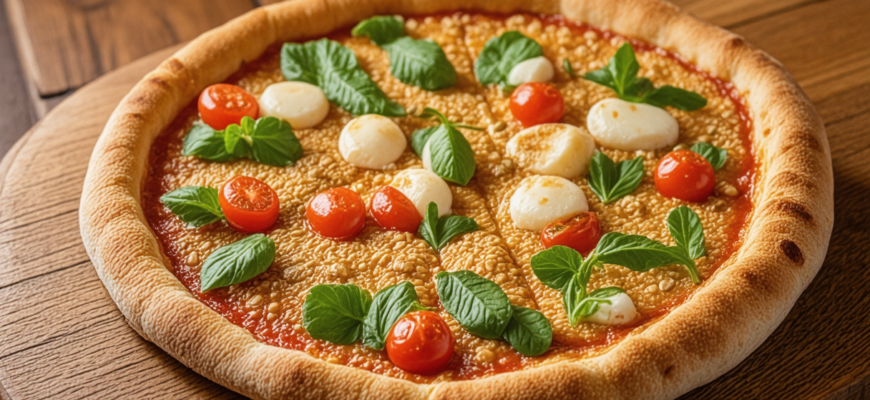
When it comes to pizza, much of its appeal lies in the crust—crisp, soft, flavorful, and the perfect foundation for toppings. Traditionally, pizza crusts are made from refined wheat flour, which, while offering desirable texture and flavor, often falls short in terms of nutritional value. Growing health consciousness among consumers has driven interest in reformulating pizza dough using alternative flours. This not only elevates the nutritional profile but also introduces new flavors and textures, catering to diverse dietary needs and preferences. In this comprehensive guide, explore how various alternative flours can be used to craft healthier, more nutritious pizza crusts, their benefits, challenges, and practical tips for culinary innovation.
- Understanding the Need for Alternative Flours in Pizza Making
- Popular Types of Alternative Flours for Pizza Crusts
- 1. Whole Grain and Ancient Grain Flours
- 2. Legume Flours
- 3. Nut and Seed Flours
- 4. Pseudocereal Flours
- Benefits of Using Alternative Flours in Pizza Crusts
- 1. Enhanced Nutritional Content
- 2. Improved Digestive Health
- 3. Catering to Special Diets
- 4. Unique Flavors and Textures
- Challenges of Using Alternative Flours and How to Overcome Them
- 1. Gluten Content and Dough Elasticity
- 2. Moisture Absorption and Dough Handling
- 3. Flavor Compatibility
- 4. Baking Temperatures and Time
- Practical Recipes and Formulations for Alternative Flour Pizza Crusts
- 1. Basic Chickpea Flour Pizza Crust
- 2. Quinoa and Almond Flour Hybrid Crust
- Formulating a Customizable Alternative Flour Pizza Crust
- Basic formula for healthy, gluten-free pizza crust
- Final Tips for Baking Perfect Alternative Flour Pizza Crusts
- Embracing a Healthier Pizza Future
- References
Understanding the Need for Alternative Flours in Pizza Making
Standard pizza dough primarily uses refined wheat flour, which has been stripped of many nutrients during processing. While it provides excellent gluten structure and a desirable chewy texture, it lacks dietary fiber, micronutrients, and may contribute to blood sugar spikes. As consumers become more health-conscious, there’s a growing demand for foods that provide nutritional benefits, including higher fiber content, vitamins, and minerals.
Alternative flours, derived from various grains, legumes, nuts, seeds, and pseudocereals, can significantly enhance the nutritional profile of pizzas. They often contain higher levels of fiber, protein, unsaturated fats, vitamins, and minerals, making pizza not merely a comfort food but also a healthful meal option.
Popular Types of Alternative Flours for Pizza Crusts
1. Whole Grain and Ancient Grain Flours
- Whole Wheat Flour: Retains all parts of the wheat kernel, providing more fiber and nutrients than refined wheat flour.
- Spelt Flour: An ancient grain with a slightly nutty flavor and higher protein content.
- Farro Flour: Rich in fiber, protein, and minerals; offers a hearty flavor.
- Sorghum Flour: Gluten-free, with a mild flavor and high antioxidant content.
2. Legume Flours
- Chickpea (Garbanzo bean) Flour: High in protein and fiber, with a slightly nutty taste.
- Lentil Flour: Contains abundant protein, fiber, and iron.
- Fava Bean Flour: Good source of protein, fiber, and B-vitamins.
3. Nut and Seed Flours
- Almond Flour: Rich in healthy fats, vitamin E, and protein.
- Sunflower Seed Flour: Nutrient-dense, with good fat and protein content.
- Flaxseed Meal: High in omega-3 fatty acids and fiber.
4. Pseudocereal Flours
- Quinoa Flour: Complete protein, gluten-free, with a slightly nutty flavor.
- Amaranth Flour: Rich in protein, fiber, and micronutrients.
Benefits of Using Alternative Flours in Pizza Crusts
1. Enhanced Nutritional Content
Most alternative flours are dense in nutrients—fiber, protein, vitamins, and minerals—that are often absent or reduced in refined wheat flour. This improves satiety, supports digestive health, and supplies essential nutrients.
2. Improved Digestive Health
Higher fiber content encourages healthy digestion and regularity. Some flours, like chickpea and quinoa, also contain prebiotics that promote beneficial gut bacteria.
3. Catering to Special Diets
Gluten-free options like chickpea, almond, or sorghum flours make it possible to create inclusive pizza options for those with celiac disease or gluten sensitivities.
4. Unique Flavors and Textures
Alternative flours introduce new taste profiles and textures, expanding culinary creativity and appeal to adventurous eaters.
Challenges of Using Alternative Flours and How to Overcome Them
1. Gluten Content and Dough Elasticity
Many alternative flours lack gluten, which provides structure and elasticity in traditional dough. This can result in crumbly or dense crusts. To address this, bakers often combine multiple flours or add binders like xanthan gum, guar gum, or egg to mimic gluten’s properties.
2. Moisture Absorption and Dough Handling
Different flours absorb liquids at varying rates. Adjusting water content and using binding agents help achieve the right dough consistency.
3. Flavor Compatibility
Some alternative flours have strong or distinct flavors. Balancing these with complementary ingredients ensures a pleasant taste experience. Blending flours can mitigate overpowering flavors.
4. Baking Temperatures and Time
Altered flour compositions might require adjustments in baking temperature and duration for optimal crust texture and color.
Practical Recipes and Formulations for Alternative Flour Pizza Crusts
1. Basic Chickpea Flour Pizza Crust
| Ingredients | Amount |
|---|---|
| Chickpea flour | 1.5 cups (180g) |
| Water | 1 cup (240ml) |
| Olive oil | 2 tbsp |
| Baking powder | 1 tsp |
| Salt | ½ tsp |
| Herbs/spices | to taste (oregano, garlic powder) |
Preparation: Mix dry ingredients, then gradually add water and olive oil. Knead into a dough, roll out, and bake at 200°C for 15-20 minutes until golden. Add toppings and bake further as desired.
2. Quinoa and Almond Flour Hybrid Crust
- Combine ½ cup quinoa flour and ½ cup almond flour.
- Add 1 egg (or flaxseed substitute for vegan option) and 1-2 tbsp water to achieve pliable dough.
- Incorporate 1 tsp baking powder, a pinch of salt, and herbs.
- Press into a baking sheet and pre-bake at 200°C for 10 minutes. Then add toppings and bake until toppings are cooked.
Formulating a Customizable Alternative Flour Pizza Crust
Basic formula for healthy, gluten-free pizza crust
Total Flour Mixture = α + β + γ

Where:
α = Base gluten-free flour (e.g., chickpea, sorghum, quinoa)
β = Binder or binder substitute (e.g., xanthan gum, eggs, flaxseed meal)
γ = Flavor-enhancing additions (herbs, spices, seeds)
Adjust ratios according to desired texture and flavor. For example, more chickpea flour yields a denser, protein-rich crust; adding ground seeds improves flavor and nutrition. Use the following table as a guide for balancing ingredients:
| Component | Typical Range | Purpose |
|---|---|---|
| Base flour | 60-80% | Structure and flavor |
| Binders | 10-20% | Elasticity and cohesion |
| Flavor enhancers | 5-10% | Taste and aroma |
Final Tips for Baking Perfect Alternative Flour Pizza Crusts
- Start with small batches to refine ratios and techniques.
- Use parchment paper or a silicone baking mat for easier handling.
- Pre-bake crusts slightly to prevent sogginess, especially when adding moist toppings.
- Adjust baking time based on crust thickness and density.
- Experiment with flavorings such as garlic, herbs, or cheese powders for added depth.
Embracing a Healthier Pizza Future
The utilization of alternative flours in pizza crusts is a promising avenue for creating more nutritious, inclusive, and flavorful meals. By understanding the properties of various flours, overcoming associated challenges, and experimenting with recipes, bakers can craft innovative pizzas that cater to health-conscious consumers, those with dietary restrictions, or simply those seeking new taste experiences. The fusion of culinary tradition with nutritional science opens a new horizon for pizza lovers worldwide, transforming a beloved comfort food into a healthful and exciting dish.
References
- Bender, Anton. “Gluten-Free Baking for Dummies.” Wiley Publishing, 2012.
- Gumbel, Peter. “The Art of Gluten-Free Baking.” Food & Wine, 2020.
- Nutritiondata.self.com. Various reports on nutrient profiles of alternative flours.
- Harner, Emily. “The Complete Guide to Grain-Free Baking.” 2018.
Похожие записи:
 Creative Ways to Make Gluten-Free Pizza Crusts: Elevate Your Pizza Experience
  The Rise of Healthy and Alternative Pizza Options: A Delicious Revolution
  Unlocking Nutrition: How to Incorporate Superfoods into Pizza Toppings for a Healthier Twist
  Creating Balanced Pizza Recipes That Support Weight Management
  Mastering the Art of Stuffed Crusts: Techniques for Making Delicious Pizzas at Home
  Balancing Macronutrients in Homemade Pizza Recipes: A Complete Guide
  Unlocking the Secrets of Traditional Pizza: Nutritional Components and Their Impact on Health
  Mastering Gluten-Free and Keto-Friendly Pizza Bases: Delicious Recipes and Tips
  Choosing the Perfect Flour for Flawless Pizza Dough: A Complete Guide
  The Rise of Gluten-Free and Vegan Pizza Options: A Delicious Revolution
  Fiber-Rich Toppings to Boost Digestive Health in Pizza Dishes
  The Importance of Portion Control for Healthy Pizza Consumption
  Mastering Homemade Pizza Dough: Expert Tips for Perfect Results
  Mastering Vegan and Vegetarian Pizza: Delicious Recipes and Culinary Inspiration
  The Impact of Cheese Types on Pizza’s Nutritional Profile
  The Benefits of Adding Vegetables to Your Pizza for Health