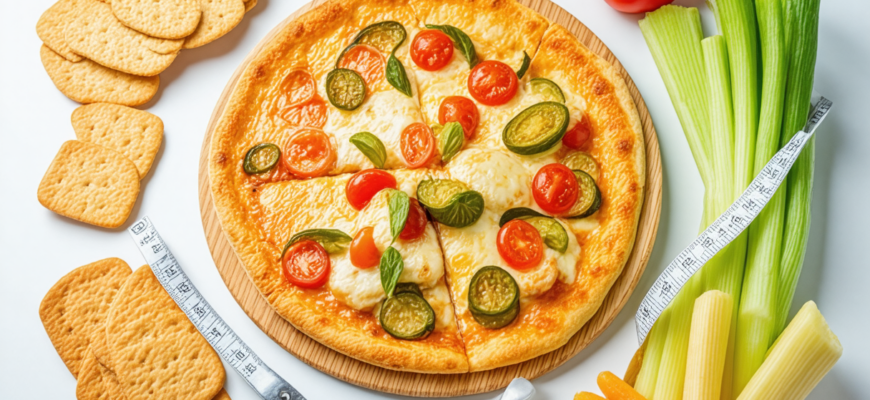
Pizza, a beloved culinary masterpiece enjoyed around the world, often evokes images of indulgence and comfort. With its irresistible crust, flavorful toppings, and gooey cheese, pizza is a versatile dish that can suit any taste. However, despite its popularity, pizza can also be a source of overconsumption and excess calories if not enjoyed mindfully. This article explores the significance of portion control in maintaining a healthy diet while savoring pizza, blending insights from nutrition science, dietary guidelines, and culinary practices to offer comprehensive tips for balanced pizza consumption.
- Understanding Pizza and Its Nutritional Profile
- Basic Nutritional Components of Pizza
- Why Portion Control is Crucial for Healthy Eating
- Managing Caloric Intake
- Preventing Overconsumption of Sodium and Fats
- Maintaining Balance in the Diet
- How to Practice Portion Control with Pizza
- 1. Choose Appropriate Serving Sizes
- 2. Focus on Quality over Quantity
- 3. Use Smaller Plates and Slices
- 4. Incorporate Vegetables and Fiber
- 5. Avoid Mindless Eating
- Creating Balanced Pizza Meals
- Combining Pizza with Nutritious Sides
- Strategic Toppings and Ingredients
- The Science Behind Portion Control: Key Formulas and Metrics
- Calculating Daily Caloric Needs
- Estimating a Balanced Pizza Portion to Fit Daily Caloric Needs
- Potential Health Impacts of Poor Portion Control
- Weight Gain and Obesity
- Digestive Discomfort and Nutrient Imbalance
- Psychological and Behavioral Consequences
- Tips for Promoting Healthy Pizza Consumption in Practice
- 1. Meal Planning and Preparation
- 2. Educate About Nutrient Content
- 3. Hosting and Social Situations
- Enjoying Pizza While Staying Healthy
- References and Further Reading
Understanding Pizza and Its Nutritional Profile
Before delving into the importance of portion control, it is essential to understand what constitutes pizza’s nutritional value and how it fits into a balanced diet. Traditional pizza typically consists of a dough base, a layer of tomato sauce, cheese, and various toppings such as vegetables, meats, or seafood.
Basic Nutritional Components of Pizza
| Nutritional Element | Average Content per Slice (200g) |
|---|---|
| Calories | 300–400 kcal |
| Proteins | 12–16 g |
| Fats | 12–20 g |
| Carbohydrates | 30–45 g |
| Fiber | 2–4 g |
| Sodium | 600–900 mg |
These values can fluctuate based on ingredients and serving sizes, emphasizing the importance of mindful consumption. Pizza can be rich in calcium and protein, especially with cheese and toppings like chicken or seafood; however, it can also be high in fats and sodium, which necessitates moderation.
Why Portion Control is Crucial for Healthy Eating
Managing Caloric Intake
One of the primary reasons for practicing portion control is regulating caloric intake. Since pizza is calorie-dense, consuming large portions can quickly lead to exceeding daily caloric needs, contributing to weight gain and related health issues such as obesity and cardiovascular diseases.
Preventing Overconsumption of Sodium and Fats
High sodium levels in pizza, primarily from cheese and processed meats, can elevate blood pressure and increase the risk of heart disease. Portion control helps limit salt intake, managing health risks without eliminating pizza from the diet completely.
Maintaining Balance in the Diet
Proper portioning ensures that pizza consumption remains a part of a balanced diet rich in vegetables, fruits, lean proteins, and whole grains. It allows enjoyment without compromising nutritional goals.
How to Practice Portion Control with Pizza
1. Choose Appropriate Serving Sizes
Standard pizza sizes vary from personal pizzas (6-8 inches diameter) to medium (12 inches) and large (14-16 inches). Typically, a slice weighs around 100-125 grams. The following table illustrates recommended portions based on dietary guidelines:
| Pizza Size | Number of Slices | Approximate Portion Size |
|---|---|---|
| Personal | 1 | 1 slice (~200g) |
| Medium (12″) | 2–3 slices | 2–3 slices (~400–600g) |
| Large (14–16″) | 3–4 slices | 3–4 slices (~600–800g) |
2. Focus on Quality over Quantity
Opt for pizzas topped with vegetables, lean proteins (like chicken or seafood), and whole grain crusts where possible. These choices boost nutritional content and provide satiety, reducing the desire for excessive eating.
3. Use Smaller Plates and Slices
Serving pizza in smaller slices or on smaller plates can visually cue to eat less, promoting more controlled consumption. Cutting larger slices into halves or quarters is an effective psychological trick to reduce intake.
4. Incorporate Vegetables and Fiber
Adding a side salad or roasted vegetables can fill you up with fewer calories, allowing you to enjoy your favorite pizza without overeating.
5. Avoid Mindless Eating
Eat slowly and savor each bite, paying attention to hunger cues. This practice helps prevent overeating and allows the body to signal when sufficient satiety has been reached.
Creating Balanced Pizza Meals
Combining Pizza with Nutritious Sides
- Fresh green salads with vinaigrette
- Steamed or roasted vegetables
- Whole grain breadsticks or brown rice
- Fresh fruits
Strategic Toppings and Ingredients
- Base: Opt for whole wheat or cauliflower crusts for added fiber and nutrients.
- Sauce: Use tomato-based sauces rich in antioxidants.
- Cheese: Use moderate amounts of cheese to control saturated fat intake.
- Protein: Select lean meats, seafood, or plant-based proteins.
- Vegetables: Load toppings with peppers, mushrooms, onions, and spinach.
The Science Behind Portion Control: Key Formulas and Metrics
Calculating Daily Caloric Needs
Understanding daily energy requirements helps determine appropriate pizza portions. The Harris-Benedict Equation estimates Basal Metabolic Rate (BMR):
For men: BMR = 66 + (13.7 × weight in kg) + (5 × height in cm) − (6.8 × age in years)
For women: BMR = 655 + (9.6 × weight in kg) + (1.8 × height in cm) − (4.7 × age in years)
Multiply BMR by activity factors to find Total Daily Energy Expenditure (TDEE):
| Activity Level | Multiplier |
|---|---|
| Sedentary | 1.2 |
| Light activity | 1.375 |
| Moderate activity | 1.55 |
| High activity | 1.725 |
| Very high activity | 1.9 |
Estimating a Balanced Pizza Portion to Fit Daily Caloric Needs
Suppose a person requires 2,000 kcal daily. If they consume a 400 kcal slice of pizza, that accounts for 20% of the daily caloric intake. To maintain a healthy balance, the person might limit pizza to 1-2 slices per meal, supplemented with nutrient-dense sides.
Potential Health Impacts of Poor Portion Control
Weight Gain and Obesity
Repeated overconsumption of calorie-dense foods like pizza can lead to excess weight. Obesity increases risk for type 2 diabetes, hypertension, and cardiovascular disease. Maintaining appropriate portions helps prevent such health issues.
Digestive Discomfort and Nutrient Imbalance
Large portions of greasy and salty pizza can cause bloating, indigestion, and dehydration. Moreover, overemphasis on pizza without balanced nutrients can lead to deficiencies or excesses in specific nutrients.
Psychological and Behavioral Consequences
Habitual overeating can foster guilt, diminished self-control, and disordered eating patterns. Practicing mindful portioning encourages healthier relationships with food.
Tips for Promoting Healthy Pizza Consumption in Practice
1. Meal Planning and Preparation
Pre-portion pizza slices before serving, or prepare DIY pizza kits with controlled ingredient quantities for better portion management at home.
2. Educate About Nutrient Content
Awareness of calorie counts, sodium, and fat content fosters more conscious choices and helps set reasonable consumption limits.
3. Hosting and Social Situations
Offer a variety of healthier pizza options and moderate serving sizes at gatherings to promote balanced eating habits among guests.
Enjoying Pizza While Staying Healthy
Pizza remains a favorite dish for many, offering endless flavor combinations and culinary creativity. The key to incorporating pizza into a healthy lifestyle lies in practicing mindful portion control. By understanding portion sizes, choosing nutrient-rich ingredients, and balancing pizza with other healthy foods, it is possible to enjoy this delicious dish without compromising health. The combined effort of education, awareness, and moderation can lead to a sustainable relationship with pizza, allowing it to remain part of a joyful, balanced diet rather than a source of excessive calorie intake.
References and Further Reading
- Harvard T.H. Chan School of Public Health: Portion Distortion and Its Impact
- American Heart Association: Sodium Guidelines and Heart Health
- Nutrition Journals: The Role of Balanced Diet and Healthy Eating Habits
- Official dietary guidelines for calorie and nutrient intake
Похожие записи:
 The Rise of Healthy and Alternative Pizza Options: A Delicious Revolution
  The Impact of Cheese Types on Pizza’s Nutritional Profile
  Unlocking the Secrets of Traditional Pizza: Nutritional Components and Their Impact on Health
  Exploring the Antioxidants in Tomato Sauce and Their Health Benefits
  Balancing Macronutrients in Homemade Pizza Recipes: A Complete Guide
  Creating Flavorful and Colorful Veggie-Based Pizzas: A Guide to Delicious, Healthy, and Vibrant Pies
  The Benefits of Adding Vegetables to Your Pizza for Health
  Mastering Gluten-Free and Keto-Friendly Pizza Bases: Delicious Recipes and Tips
  The Future Trends Shaping the Evolution of Pizza
  Lebanese Manakish with Za’atar and Cheese: A Delicious Twist on Traditional Pizzas
  New York-Style Thin Crust Pizza: The Iconic Street Food of the Big Apple
  California-Inspired Pizzas: Fresh Avocado, Sprouts, and Lemon Zest for Every Taste
  Irish Potato Bread Topped with Smoked Salmon: A Delicious Fusion of Tradition and Elegance
  Roman Pizza al Taglio and Its Rectangular Slices: A Deep Dive into Tradition, Technique, and Tastes
  Thai Basil, Shredded Chicken, and Chopped Peanuts: A Crunchy Twist in Modern Pizza Cuisine
  Pear, Prosciutto, and Gorgonzola: A Gourmet Flavor Profile for Sophisticated Pizzas