
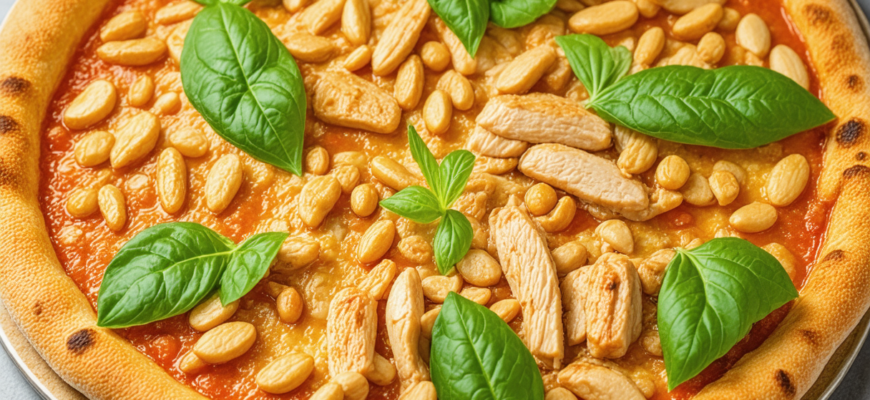
- Exploring the Fusion of Flavors in Pizza
- The Evolution of Pizza: From Classics to Fusion
- Historical Roots of Pizza
- Global Influence and Modern Innovations
- The Components of the Unique Fusion Pizza
- Thai Basil: Aromatic and Distinctive
- Shredded Chicken: Juicy and Versatile
- Chopped Peanuts: A Crunchy, Nutty Accent
- Creating the Perfect Fusion Pizza: Step-by-Step Guide
- Ingredients Needed
- Preparation Steps
- Flavor Profiles and Pairing Suggestions
- Balancing Aromatics and Textures
- Pairing Drinks
- The Cultural Significance of Combining Thai and Italian Flavors
- Modern Gastronomy and Fusion Cuisine
- Respect for Culinary Heritage
- Health Benefits and Nutritional Aspects
- Nutritious Profile of Selected Ingredients
- Health Tips for a Balanced Consumption
- Creative Variations and Customizations
- Vegetarian and Vegan Options
- Additional Flavor Boosters
- A New Dimension in Pizza Creativity
- References and Further Reading
Exploring the Fusion of Flavors in Pizza
Pizza, a beloved dish worldwide, has a long history rooted in Italian culinary traditions. Over the years, it has evolved into a versatile canvas for diverse flavor combinations, reflecting global culinary influences. From classic Margherita to innovative vegan options, pizza continually adapts to new tastes and dietary preferences. Among the most exciting trends is the incorporation of Asian ingredients, creating a fusion that appeals to adventurous palates. This article explores an imaginative pizza topping combination featuring Thai basil, shredded chicken, and chopped peanuts — delivering a delightful crunchy bite and aromatic flavor profile. It delves into the origins of these ingredients, creative preparation ideas, and the cultural significance behind such innovative culinary blends.
The Evolution of Pizza: From Classics to Fusion
Historical Roots of Pizza
The origin of pizza dates back to ancient civilizations where flatbreads topped with various ingredients served as convenient, portable foods. Modern pizza as we know it was popularized in Naples, Italy, in the 18th and 19th centuries. Traditional ingredients include tomato sauce, mozzarella cheese, basil, and olive oil. Over time, regional variations have developed, each adding local ingredients and techniques.
Global Influence and Modern Innovations
As pizza spread globally, culinary influences from different cultures integrated into the dish. In Japan, for instance, toppings like seafood and mayonnaise became popular. The United States experienced a cheese and pepperoni craze, while Mediterranean variants emphasize healthy vegetables and herbs. In recent decades, fusion cuisines have emerged, mixing elements from Asian, Latin American, Middle Eastern, and other traditions, resulting in bold, inventive toppings such as Thai basil, shredded chicken, and chopped peanuts.
The Components of the Unique Fusion Pizza
Thai Basil: Aromatic and Distinctive
Thai basil is a fragrant herb with a slightly spicy, anise-like flavor that distinguishes it from its Italian counterpart. It is a staple in Southeast Asian cuisines, notably in Thai dishes like stir-fries, curries, and salads. Its robust aroma and unique flavor profile add depth and freshness to dishes, making it an ideal component for fusion recipes that aim for bright, aromatic qualities.
Shredded Chicken: Juicy and Versatile
Shredded chicken provides a neutral yet flavorful base that pairs well with bold herbs and spices. It is a versatile ingredient used in countless dishes and maintains moisture and tenderness when prepared properly. Its mild taste makes it a perfect complement to the strong flavors of Thai basil and the crunch of chopped peanuts.
Chopped Peanuts: A Crunchy, Nutty Accent
Peanuts impart a satisfying crunch and nutty flavor, bringing texture contrast and richness to the pizza. In Southeast Asian cuisines, peanuts are often used to add depth to noodle dishes, salads, and sauces. When incorporated into pizza, they enhance textural variety and add a subtle sweetness and saltiness that balances the aromatic herbs and savory chicken.
Creating the Perfect Fusion Pizza: Step-by-Step Guide
Ingredients Needed
| Component | Quantity | Notes |
|---|---|---|
| Pizza dough (homemade or store-bought) | 1 base | Choose a medium-thick crust for balance |
| Tomato sauce | ½ cup | Optional or substitute with peanut sauce for an Asian twist |
| Shredded chicken | 1 cup | Cooked, shredded, seasoned with salt and pepper |
| Thai basil leaves | ½ cup | Fresh, added after baking |
| Chopped peanuts | ¼ cup | Added before serving for crunch |
| Mozzarella cheese | 1 cup | Optional, for a fusion twist with Thai flavors |
| Additional seasonings | To taste | Red pepper flakes, lime juice, fish sauce (optional) |
Preparation Steps
- Prepare the dough: Roll out the pizza base to desired thickness on a floured surface. Preheat oven to 220°C (430°F) for at least 30 minutes for optimal baking.
- Spread the sauce: Apply a thin layer of tomato sauce or peanut sauce (for a more authentic Thai taste) over the dough.
- Add the toppings: Distribute shredded chicken evenly over the sauce. Sprinkle mozzarella cheese if using.
- Bake the pizza: Place the prepared pizza in the preheated oven and bake for 12-15 minutes until the crust is golden and cheese bubbly.
- Finishing touches: Remove from the oven and immediately sprinkle chopped peanuts and fresh Thai basil leaves. Drizzle lime juice or fish sauce if desired to enhance the authentic flavor.
- Serve: Slice and enjoy a culturally inspired, crunchy, and aromatic fusion pizza.
Flavor Profiles and Pairing Suggestions
Balancing Aromatics and Textures
The key to this fusion pizza is balancing the aromatic, spicy, and crunchy textures. Thai basil offers a fragrant lift, while shredded chicken provides savory juiciness. The chopped peanuts add a satisfying crunch, contrasting the softness of the melted cheese or crispy crust, depending on baking conditions. The optional addition of lime juice or fish sauce adds a tangy, umami kick, heightening the overall flavor experience.
Pairing Drinks
- Thai Iced Tea: A sweet, milky beverage complements the herbaceous notes of Thai basil.
- Light Beer or Lager: Refreshing and cuts through the richness of cheese and nuts.
- Cold Green Tea: Especially with a hint of citrus, enhances the freshness of basil.
The Cultural Significance of Combining Thai and Italian Flavors
Modern Gastronomy and Fusion Cuisine
Fusion cuisine reflects the globalized nature of modern gastronomy, breaking traditional boundaries to create innovative and exciting dishes. Combining Thai ingredients with pizza capitalizes on the rich aromatic herbs and bold flavors characteristic of Southeast Asian cooking. This approach appeals not only to culinary adventurers but also to those seeking a more diverse dining experience.
Respect for Culinary Heritage
While embracing fusion, chefs and home cooks often aim to honor the integrity of the original ingredients. Using fresh Thai basil, quality shredded chicken, and crunchy peanuts authentically respects their culinary roots, creating a harmonious blend that showcases cultural appreciation rather than appropriation.
Health Benefits and Nutritional Aspects
Nutritious Profile of Selected Ingredients
- Thai Basil: Rich in antioxidants, vitamins A and C, and essential oils that support immune health.
- Shredded Chicken: High-quality protein source, low in fat if prepared properly.
- Chopped Peanuts: Contain healthy monounsaturated fats, fiber, and magnesium.
Health Tips for a Balanced Consumption
- Use moderate amounts of cheese to reduce saturated fat intake.
- Opt for baked rather than fried chicken for healthier protein.
- Incorporate fresh herbs generously for flavor and health benefits.
Creative Variations and Customizations
Vegetarian and Vegan Options
Replace shredded chicken with tofu or tempeh marinated in Thai spices. Use vegan cheese or omit cheese altogether, relying on herbs and sauces for flavor. Incorporate additional vegetables like bell peppers, carrots, or bean sprouts for extra crunch and nutrition.
Additional Flavor Boosters
- Incorporate sliced red chili for heat.
- Add a drizzle of hoisin or sweet chili sauce for sweetness and spice.
- Use coconut milk in place of tomato sauce for a more authentic Thai flavor.
A New Dimension in Pizza Creativity
Integrating Thai basil, shredded chicken, and chopped peanuts into pizza exemplifies the limitless possibilities of culinary innovation. Blending Italian pizza fundamentals with Southeast Asian flavors creates a vibrant, crunchy, and aromatic dish that appeals to food enthusiasts eager to explore new tastes. Whether serving it at a casual gathering or experimenting with new recipes at home, this fusion pizza opens the door to exciting gastronomic adventures that honor diverse culinary traditions while forging new culinary horizons.
References and Further Reading
Похожие записи:
 Caprese-Inspired Pizza with Fresh Mozzarella, Basil, and Balsamic Reduction: A Delicious Twist on Classic Flavors
  Using Herbs and Basil for a Fresh Topping Finish: Transforming Your Pizza
  Unleashing the Heat: Spicy Sriracha and Grilled Chicken for a Fiery Flavor Experience
  The Influence of Molecular Gastronomy on Modern Pizza Creations
  Calzone: The Folded Pizza from Italy – A Delicious Journey into Italian Cuisine
  Classic Pepperoni Pizza with Fresh Sliced Peppers and Oregano: A Delicious Classic with a Fresh Twist
  Lemon Zest, Mozzarella, and Fresh Herbs for a Refreshingly Citrus Twist in Gourmet Pizzas
  The Influence of World Cuisines on Pizza Toppings: A Global Culinary Journey
  The Fascinating History of the First Recorded Pizza Recipe: From Ancient Origins to Modern Delight
  The Emergence of Gourmet and Artisanal Pizza Chefs: Redefining a Classic Cuisine
  The History of Pizza Advertising Campaigns: From Origins to Modern Strategies
  The Technological Innovations in Pizza Baking Techniques: Transforming Tradition into Modern Masterpieces
  French Pissaladière with Caramelized Onions and Anchovies: A Classic Cuisine Delight
  Finnish Karjalanpiirakka with Its Regional Twist: A Delicious Journey Through History and Variations
  Scandinavian Rye-Based Flatbread Pizzas: A Delicious Twist on Traditional Pizza
  Lebanese Manakish with Za’atar and Cheese: A Delicious Twist on Traditional Pizzas