
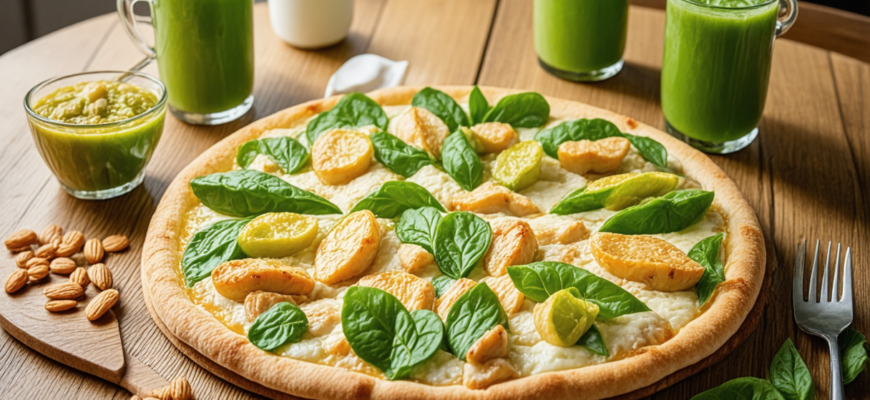
Pizzas have long been a beloved comfort food, cherished worldwide for their versatility, delicious flavors, and satisfying textures. Traditionally, pizza is known for its rich combination of crust, cheese, and toppings, often high in carbohydrates and fats. However, in recent years, fitness enthusiasts and health-conscious individuals have sought ways to transform this classic dish into a high-protein meal that supports muscle repair and growth. Whether you’re a bodybuilder, an athlete, or someone who simply values a nutritious diet, creating protein-rich pizza options can be an excellent way to enjoy this popular dish while meeting your nutritional goals.
- The Importance of Protein in Muscle Repair and Growth
- Protein as the Building Block of Muscles
- Benefits of a High-Protein Diet
- Traditional Ingredients and Their Nutritional Profiles
- Strategies for Creating High-Protein Pizza Options
- 1. Choosing Protein-Rich Crust Alternatives
- High-Protein Flour Blends
- Cauliflower or Vegetable-Based Crusts
- Protein-Enriched Dough Formulas
- 2. Incorporating High-Quality Protein Sources in Toppings
- 3. Using Protein-Rich Dairy and Cheese Options
- 4. Adding Protein Powders to the Sauce or Base
- Example Calculation:
- Sample High-Protein Pizza Recipes
- 1. Chicken and Veggie High-Protein Pizza
- Ingredients
- Preparation
- Nutrition Breakdown
- Additional Tips for Maximizing Protein in Pizza
- Summary of Key Points
- References
- Final Thoughts
The Importance of Protein in Muscle Repair and Growth
Protein as the Building Block of Muscles
Protein is essential for the repair and growth of muscle tissue. During physical activity, especially strength training and resistance exercises, muscle fibers sustain micro-tears. Proteins supply amino acids—the building blocks necessary for repairing these tears and promoting muscle hypertrophy. A sufficient daily protein intake, typically ranging from 1.2 to 2.2 grams per kilogram of body weight, is critical for athletes and active individuals aiming to optimize their performance and physique.
Benefits of a High-Protein Diet
- Enhanced muscle recovery post-exercise
- Increased muscle mass over time
- Greater satiety and weight management
- Support for metabolic health and immune function
Traditional Ingredients and Their Nutritional Profiles
| Ingredient | Nutritional Highlights |
|---|---|
| Regular cheese (mozzarella) | Rich in calcium, high in saturated fats, moderate protein (~7g per 100g) |
| Refined wheat flour (pizza dough) | High in carbohydrates, low in protein (~10g per 100g) |
| Pepperoni and processed meats | High in fats and sodium, moderate protein (~12g per 100g) |
| Vegetables (bell peppers, onions, tomatoes) | Low in calories, high in vitamins, fiber, and antioxidants |
While these ingredients are flavorful and traditional, they are often low in protein relative to the needs of muscle repair, particularly for physically active individuals. Therefore, innovative modifications can significantly enhance the protein content of pizza.
Strategies for Creating High-Protein Pizza Options
1. Choosing Protein-Rich Crust Alternatives
The crust is the foundation of the pizza, and its composition greatly influences the overall protein content. Traditional dough, made from refined wheat flour, offers limited protein. To boost protein levels, consider the following options:
High-Protein Flour Blends
– Combine wheat flour with protein-enriched ingredients such as chickpea flour, almond flour, or soy protein isolates.
– Example recipe: 50% wheat flour + 50% chickpea flour provides a significant increase in protein and fiber.
Cauliflower or Vegetable-Based Crusts
– Use mashed cauliflower blended with eggs and cheese to form a low-carb, high-protein crust.
– Incorporating grated cheese and eggs enhances the protein content while maintaining a crispy texture.
Protein-Enriched Dough Formulas
Formulas can help quantify the amount of protein added:
[
text{Total Protein} = sum text{(ingredient weight} times text{protein percentage)}
]
For example, adding 30g of protein powder (containing 80% protein) to 200g of dough base provides an extra 24g of protein.
2. Incorporating High-Quality Protein Sources in Toppings
Toppings are the most flexible component for increasing protein. Opt for the following:
- Lean Meats: Chicken breast, turkey, lean beef, or ham
- Seafood: Shrimp, tuna, salmon, and other fish
- Legumes and Pulses: Lentils, chickpeas (pre-cooked and seasoned)
- Eggs: Sliced hard-boiled eggs or scrambled eggs
- Plant-Based Proteins: Tofu, tempeh, or textured vegetable protein (TVP)
**Sample high-protein topping combinations:**
– Grilled chicken + roasted vegetables
– Shrimp with garlic and herbs
– Tofu with spicy seasoning and sesame seeds
– Egg slices with spinach and feta cheese
3. Using Protein-Rich Dairy and Cheese Options
Cheese is traditionally a major source of protein and calcium in pizza. To maximize protein:
- Choose higher-protein cheeses: Parmesan, Romano, or cottage cheese
- Combine cheeses: Mix mozzarella with ricotta or cottage cheese for increased protein content
- Use Greek yogurt-based sauces: For the base sauce, replacing traditional tomato sauce with a Greek yogurt blend adds protein and creaminess
4. Adding Protein Powders to the Sauce or Base
Supplementing your pizza sauce with flavorless or mildly flavored protein powders increases the total protein without altering taste significantly.
Example Calculation:
If you add 2 tablespoons (~20g) of whey protein isolate (which has about 90% protein), you add approximately 18g of protein per serving.
Sample High-Protein Pizza Recipes
1. Chicken and Veggie High-Protein Pizza
Ingredients
- Crust: Whole wheat flour + chickpea flour (50/50)
- Protein source: Grilled chicken breast (150g)
- Cheese: Cottage cheese and shredded mozzarella
- Sauce: Tomato sauce blended with Greek yogurt and Italian herbs
- Toppings: Bell peppers, onions, spinach, and cherry tomatoes
Preparation
- Prepare the crust by mixing flours, water, eggs, and seasonings. Bake at 200°C for 15 minutes.
- Spread the protein-enriched tomato-yogurt sauce evenly on the crust.
- Add cooked, sliced chicken on top, followed by cheeses and vegetables.
- Bake for an additional 10-12 minutes until cheese melts and crust is crispy.
Nutrition Breakdown
| Ingredient | Quantity | Approximate Protein Content |
|---|---|---|
| Crust | 200g (total) | ~15g |
| Chicken | 150g | ~45g |
| Cheese | 100g | ~25g |
| Sauce (Greek yogurt + tomato) | 50g yogurt + 100g tomato | ~8g |
| Vegetables | 50g | ~2g |
| Total | ~95g |
*Note:* Actual protein content will vary based on brands and specific ingredient choices.
Additional Tips for Maximizing Protein in Pizza
- Pair high-protein pizza with a side of Greek yogurt or cottage cheese for extra protein intake.
- Use portion control to balance calorie intake while maximizing protein.
- Adjust ingredients to suit dietary restrictions, such as gluten-free crusts or plant-based proteins.
- Experiment with flavorings like herbs, garlic, and spices to enhance taste without extra calories or artificial additives.
Transforming traditional pizza into a high-protein meal suitable for muscle repair and growth involves thoughtful modifications to crust, toppings, cheeses, and sauces. By integrating protein-rich ingredients such as lean meats, seafood, plant-based proteins, and dairy products, it is possible to create flavorful, nutritious pizzas that support active lifestyles. Whether as a post-workout dinner or a satisfying meal option during the day, high-protein pizzas can be both delicious and beneficial for muscle health.
Summary of Key Points
- Use protein-enriched or alternative crusts made from chickpeas, cauliflower, or protein powders.
- Incorporate high-quality animal or plant-based proteins in toppings.
- Choose cheeses with higher protein content or mix different cheese types.
- Enhance sauces with Greek yogurt or protein powders for additional protein boost.
- Combine ingredients thoughtfully to optimize taste and nutritional value.
References
- Nutrition data from USDA Food Database
- Research articles on dietary protein and muscle synthesis
- Healthy recipes and dietary guidelines from reputable health organizations
Final Thoughts
Creating high-protein pizza options is an excellent way to combine indulgence with nutrition, supporting muscle repair, growth, and overall health. With a bit of creativity and attention to ingredients, pizza can easily become a part of a balanced, muscle-friendly diet. Keep experimenting with different proteins and flavor combinations to find your perfect high-protein pizza recipe!
Похожие записи:
 The Effects of High Sodium Content in Certain Pizza Recipes: What You Need to Know
  Enhancing Pizza with High-Antioxidant Toppings for Better Health
  The Fascinating Journey of Pizza Chains and Their Worldwide Growth
  The Rise of Gluten-Free and Vegan Pizza Options: A Delicious Revolution
  Vegan Cheese Options and Their Nutritional Advantages on Pizza: A Comprehensive Guide
  The Rise of Healthy and Alternative Pizza Options: A Delicious Revolution
  Balancing Macronutrients in Homemade Pizza Recipes: A Complete Guide
  The Impact of Cheese Types on Pizza’s Nutritional Profile
  Innovative Strategies to Enhance Pizza’s Nutritional Value Without Increasing Calories
  How to Make Pizza a Part of a Heart-Healthy Diet
  Creating Balanced Pizza Recipes That Support Weight Management
  The Benefits of Adding Nuts and Seeds to Pizza Toppings
  How Pizza Can Be Adapted for Low-Carb and Ketogenic Diets: Delicious Alternatives for Every Taste
  Innovative Approaches to Pizza Crusts: Enhancing Nutrition with Alternative Flours
  The Importance of Portion Control for Healthy Pizza Consumption
  Unlocking the Secrets of Traditional Pizza: Nutritional Components and Their Impact on Health