
Italian cuisine is celebrated worldwide for its rich flavors, vibrant colors, and diverse textures. Among its iconic dishes, pizza stands out as a symbol of culinary artistry and cultural tradition. While pizza is often associated with indulgence and comfort food, understanding the nutritional profile of its fundamental ingredients reveals a complex picture of health effects. This comprehensive article explores the health implications of traditional Italian pizza ingredients, including tomatoes, olive oil, mozzarella, basil, and more. It aims to provide insight into how these ingredients contribute to a balanced diet and overall wellness, debunk common myths about pizza consumption, and suggest ways to enjoy this beloved dish healthily.
- Historical Context and Composition of Traditional Italian Pizza
- The Origins and Evolution of Pizza in Italy
- Key Ingredients of Traditional Italian Pizza
- Nutrition Profile of Core Italian Pizza Ingredients
- 1. Tomatoes
- Nutrition and Bioactive Compounds
- Health Effects
- Considerations
- 2. Olive Oil (Extra Virgin)
- Nutritional Benefits
- Health Effects
- Usage Tips
- 3. Mozzarella Cheese
- Types and Nutritional Content
- Health Effects
- Tips for Healthier Consumption
- 4. Basil and Herbs
- Nutritional and Medicinal Aspects
- Health Benefits
- Potential Health Benefits of Italian Pizza Ingredients
- Cardiovascular Health
- Anti-Inflammatory Effects
- Bone Health
- Digestive and Immune System Support
- Possible Risks and Considerations
- Balancing Enjoyment and Health
- Formulas and Practical Tips for Healthy Pizza Consumption
- 1. Nutritional Balance Formula
- 2. Healthier Pizza Preparation Tips
- Embracing Traditional Italian Pizza with Wellness in Mind
- References and Further Reading
Historical Context and Composition of Traditional Italian Pizza
The Origins and Evolution of Pizza in Italy
Pizza has deep roots in Italian history, dating back to ancient times when simple flatbreads were topped with herbs and oil. The modern pizza as we know it emerged in Naples in the 18th century, characterized by a thin crust, fresh ingredients, and straightforward preparation. Traditionally, Naples-style pizza features ingredients that are locally sourced and minimally processed, reflecting Italy’s culinary philosophy of simplicity and quality.
Key Ingredients of Traditional Italian Pizza
- Pizza dough (flour, water, yeast, salt)
- Tomato sauce (made from ripe tomatoes)
- Olive oil (extra virgin)
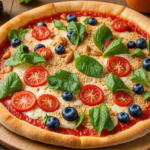
- Cheese (primarily mozzarella di bufala or fior di latte)
- Herbs (basil, oregano)
- Additional toppings (optional, e.g., seafood, vegetables, cured meats)
Each ingredient carries distinct nutritional properties that influence health outcomes, which will be examined in detail below.
Nutrition Profile of Core Italian Pizza Ingredients
1. Tomatoes
Nutrition and Bioactive Compounds
Tomatoes are fundamental to Italian pizza sauce, providing a rich, tangy flavor. They are an excellent source of vitamin C, potassium, folate, and antioxidants such as lycopene. Lycopene is a carotenoid known for its potent antioxidant properties, linked to reduced risk of certain cancers and cardiovascular diseases.
Health Effects
- Support cardiovascular health due to lycopene’s ability to reduce LDL cholesterol oxidation.
- Enhance skin health and provide protection against UV damage.
- Contribute to anti-inflammatory effects due to antioxidant content.
Considerations
Cooking tomatoes increases lycopene bioavailability, making pizza sauce an effective way to enjoy this nutrient. However, individuals with tomato allergies or GERD should limit intake.
2. Olive Oil (Extra Virgin)
Nutritional Benefits
Extra virgin olive oil is prized in Italian cuisine for its flavor and health-promoting properties. It is rich in monounsaturated fatty acids (primarily oleic acid), polyphenols, and vitamin E.
Health Effects
- Reduces inflammation and lowers risk of chronic diseases such as heart disease.
- Improves lipid profiles by increasing HDL cholesterol and reducing LDL cholesterol.
- Provides antioxidant protection against oxidative stress.
Usage Tips
In traditional pizza, olive oil is used both in dough preparation and drizzled on top, maximizing the health benefits.
3. Mozzarella Cheese
Types and Nutritional Content
Italy produces several types of mozzarella, notably mozzarella di bufala and fior di latte. Cheese is dense in protein and calcium, essential for bone health.
Health Effects
- Supports skeletal integrity due to high calcium and phosphorus levels.
- Provides high-quality protein aiding muscle maintenance.
- Contains saturated fat and sodium; moderation is key.
Tips for Healthier Consumption
Opting for reduced-fat or moderation in cheese portion sizes can help balance nutritional benefits and caloric intake.
4. Basil and Herbs
Nutritional and Medicinal Aspects
Basil is rich in vitamins A, K, and C, and contains essential oils with antimicrobial and anti-inflammatory properties.
Health Benefits
- Boosts immune system function.
- Supports digestion and reduces inflammation.
- Enhances flavor with minimal caloric addition.
Potential Health Benefits of Italian Pizza Ingredients
Cardiovascular Health
The combination of healthy fats from olive oil, lycopene-rich tomatoes, and calcium from cheese contributes positively to heart health. Monounsaturated fats improve lipid profiles, while antioxidants combat oxidative damage.
Anti-Inflammatory Effects
Olive oil polyphenols, tomato antioxidants, and basil bioactives work synergistically to reduce systemic inflammation, lowering risk factors for chronic diseases.
Bone Health
Calcium and phosphorus from cheese support bone density, while magnesium from tomatoes and herbs also play a role.
Digestive and Immune System Support
Herbs like basil aid digestion and possess antimicrobial properties, contributing to overall immune health.
Possible Risks and Considerations
| Ingredient | Potential Health Concerns |
|---|---|
| Cheese | High in saturated fat and sodium, which may contribute to cardiovascular issues if consumed excessively. |
| Salt in Dough and Sauce | Excessive intake supports hypertension; moderation is essential. |
| Refined Flour | Refined flour in pizza dough may cause blood sugar spikes; opting for whole grain alternatives can mitigate this risk. |
Balancing Enjoyment and Health
While traditional ingredients offer numerous benefits, moderation, and ingredient quality are vital. Incorporating whole grain crusts, reducing cheese portions, and adding more vegetables enhance the dish’s health profile.
Formulas and Practical Tips for Healthy Pizza Consumption
1. Nutritional Balance Formula
To create a nutritionally balanced pizza, aim for a ratio of ingredients similar to the following:
Healthy fats (olive oil) : Complex carbohydrates (whole grain crust) : Protein (mozzarella & toppings) : Vegetables (basil, tomatoes) = 1 : 1 : 1 : 2
Adjust proportions based on personal dietary needs and preferences.
2. Healthier Pizza Preparation Tips
- Use whole wheat or alternative grain dough to increase fiber content.
- Limit cheese quantity or choose lower-fat options.
- Load the pizza with vegetables like peppers, spinach, or arugula for added nutrients.
- Opt for extra virgin olive oil both in dough preparation and as a finishing drizzle.
- Reduce salt content in sauce or seasonings.
Embracing Traditional Italian Pizza with Wellness in Mind
Italian pizza, rooted in centuries of tradition, offers a palette of ingredients that, when consumed mindfully, can contribute positively to health. Fruits of the vine, fresh herbs, quality cheeses, and wholesome oils form a nutritious foundation that supports various aspects of wellness. Emphasizing ingredient quality, portion control, and the addition of nutrient-dense toppings allows pizza lovers to indulge without guilt, aligning culinary enjoyment with health benefits. As with all foods, moderation and balance remain the pillars of a healthy diet, and traditional Italian pizza ingredients exemplify how simple, natural components can foster well-being when integrated thoughtfully into daily eating habits.
References and Further Reading
- Italian Food: The History of Pizza – Journal of Culinary History
- The Nutritional Composition of Typical Italian Pizza Ingredients – Journal of Food Science
- Olive Oil’s Role in Heart Health – American Journal of Clinical Nutrition
- Tomatoes and Lycopene: Impacts on Cancer Prevention – Cancer Epidemiology
- Herbs in Mediterranean Diet – Advances in Botanical Research
Похожие записи:
 Unlocking the Secrets of Traditional Pizza: Nutritional Components and Their Impact on Health
  Healthy Alternatives to Traditional Pizza Crusts for Improved Nutrition Incorporating Fermented Ingredients in Pizza for Gut Health: A Delicious and Nutritious Trend Italian Stromboli with Layered Ingredients: A Delicious Twist on Classic Pizza
  Roman Pizza al Taglio and Its Rectangular Slices: A Deep Dive into Tradition, Technique, and Tastes
  Mexican Tlayuda and Its Rustic Toppings: A Deep Dive into a Unique Culinary Tradition The Impact of Fast-Food Culture on Pizza’s Popularity: A Deep Dive into Culinary Evolution
  The Effects of High Sodium Content in Certain Pizza Recipes: What You Need to Know The Potential Anti-Inflammatory Effects of Certain Pizza Toppings: A Delicious Approach to Healthier Eating The Evolution of Pizza-Specific Ovens and Tools: A Deep Dive into Culinary Innovation The Cultural Significance of Pizza Parties and Gatherings: A Deep Dive into Social Traditions, Rituals, and Global Impact Greek Pizza Variations and Their Traditional Ingredients — A Culinary Journey Through Greek Pizzas
  Unlocking Nutrition: How to Incorporate Superfoods into Pizza Toppings for a Healthier Twist The Role of Olive Oil in Enhancing Pizza’s Health Benefits The Potential Cardiovascular Benefits of Certain Pizza Ingredients
  Enhancing Pizza with High-Antioxidant Toppings for Better Health