
Pizza is one of the most beloved dishes worldwide, celebrated for its versatility, rich flavors, and comforting appeal. While traditional recipes often focus on cheese, meats, and vegetables, the addition of herbs and spices can dramatically elevate both the taste and health profile of this iconic dish. Integrating carefully selected herbs and spices into pizza not only enhances its flavor spectrum but also introduces a myriad of health benefits backed by scientific research. This comprehensive guide explores the art and science of incorporating herbs and spices into pizza, providing insights, practical tips, and delicious recipes to help enthusiasts create healthier, more flavorful culinary masterpieces.
- Understanding the Power of Herbs and Spices in Culinary and Health Contexts
- The Role of Herbs and Spices in Food
- Health Benefits of Herbs and Spices
- Strategic Incorporation of Herbs and Spices into Pizza Preparation
- Choosing the Right Herbs and Spices
- Fresh vs. Dried Herbs and Spices
- Best Practices for Incorporation
- Popular Recipes Incorporating Herbs and Spices for Better Health
- 1. Mediterranean Herb Pizza
- Ingredients:
- Preparation:
- 2. Spicy Immunity-Boosting Pizza
- Ingredients:
- Preparation:
- Formulas and Tips for Maximizing Health Benefits in Pizza
- Estimating Nutritional Impact of Herbs and Spices
- Integrating Spices for Metabolic Boosting
- Daily Intake Recommendations
- Additional Tips for Healthy Pizza Creation
- The Cultural and Culinary Significance of Herbs and Spices in Pizza
- The Role of Traditional Spices in Different Pizza Styles
- Future Trends: Nutritional Innovations in Pizza
- The Harmonious Blend of Flavor and Health
- References
Understanding the Power of Herbs and Spices in Culinary and Health Contexts
The Role of Herbs and Spices in Food
Herbs and spices have been an integral part of human cuisine for millennia. From ancient civilizations that prized aromatic plants for their medicinal and preservative properties to modern kitchens that use them to craft complex flavor profiles, these botanical ingredients enrich food in numerous ways. Not only do they provide distinctive tastes and aromas, but they also contribute to food preservation, color, and texture.
In the realm of pizza—an adaptable dish with bases ranging from thin crusts to deep-dish styles—herbs and spices serve as essential flavor-enhancing elements. They help balance rich ingredients like cheese and meats, cut through high-fat content, and provide a burst of freshness or warmth that elevates a simple pie into a gourmet experience.
Health Benefits of Herbs and Spices
Beyond flavor, herbs and spices are notable for their potent health-promoting properties. Scientific studies have documented their antioxidant, anti-inflammatory, antimicrobial, and even anticancer effects. Regular incorporation of herbs and spices into meals can contribute to improved immunity, digestive health, and chronic disease prevention.
| Herb/Spice | Primary Health Benefits | Common Culinary Uses in Pizza |
|---|---|---|
| Basil | Antioxidant, anti-inflammatory, supports digestion | Fresh leaves on Margherita pizzas, pesto toppings |
| Oregano | Antimicrobial, high in antioxidants, digestive aid | Spice sprinkle on tomato sauces, cheese blends |
| Thyme | Antimicrobial, immune-boosting, respiratory support | Herb in herb-infused tomato sauces, meat toppings |
| Rosemary | Antioxidant, improves digestion, anti-inflammatory | Seasoning for grilled vegetables and meats on pizza |
| Garlic | Cardiovascular health, immune enhancement, antimicrobial | Minced in sauces, toppings, or as roasted cloves |
| Chili Powder | Boosts metabolism, anti-inflammatory | Spicy kick for BBQ chicken or pepperoni pizzas |
| Black Pepper | Antioxidant, enhances nutrient absorption | Universal seasoning in sauces and crusts |
Strategic Incorporation of Herbs and Spices into Pizza Preparation
Choosing the Right Herbs and Spices
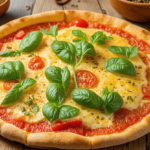
The selection of herbs and spices should align with both flavor goals and health objectives. For instance, a classic Italian Margherita pizza benefits from fresh basil and oregano, while a spicy sausage pizza might incorporate chili flakes and black pepper for a health boost. Understanding flavor profiles allows cooks to craft balanced and appealing pizzas that also maximize health benefits.
Fresh vs. Dried Herbs and Spices
- Fresh herbs: Offer bright, vibrant flavors that are ideal for garnishing after baking or adding at the final stage. Examples include basil, parsley, and cilantro.
- Dried herbs and spices: Have concentrated flavors suited for incorporation into sauces, dough, and cooked toppings. They are more shelf-stable and easier to measure accurately.
Best Practices for Incorporation
- Pre-cook dried spices: To unlock maximum flavor, sauté dried spices briefly in oil before adding to tomato sauce or dough.
- Layer herbs: Use dried herbs for the base flavors and fresh herbs for finishing touches to preserve their delicate aromas.
- Mind the timing: Add delicate herbs like basil at the end of baking to maintain their freshness, while sturdier herbs can be added earlier.
Popular Recipes Incorporating Herbs and Spices for Better Health
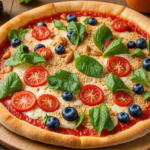
1. Mediterranean Herb Pizza
Ingredients:
- Whole wheat pizza dough
- Fresh basil leaves
- Oregano
- Olive oil
- Cherry tomatoes
- Feta cheese
- Black olives
Preparation:
- Spread olive oil over the rolled dough and sprinkle with dried oregano.
- Add cherry tomatoes, feta, and olives.
- Bake at 220°C (430°F) for 12-15 minutes.
- Garnish with fresh basil leaves before serving.
2. Spicy Immunity-Boosting Pizza
Ingredients:
- Cheddar cheese
- Cooked chicken or turkey
- Chili flakes
- Garlic powder
- Fresh thyme
- Red onion
- Bell peppers
Preparation:
- Prepare tomato sauce with garlic powder and chili flakes.
- Spread sauce over pre-baked crust.
- Add cooked meat, sliced vegetables, and cheese.
- Bake at 220°C for 15 minutes.
- Sprinkle with fresh thyme before serving for additional flavor and health benefits.
Formulas and Tips for Maximizing Health Benefits in Pizza
Estimating Nutritional Impact of Herbs and Spices
While adding herbs and spices enhances flavor complexity, understanding their nutritional contributions helps in menu planning. Here’s a simplified approach to estimating the antioxidant contribution:
Antioxidant Capacity (ORAC units):
- Fresh basil: approximately 4200 units/100g
- Oregano (dried): approximately 1750 units/gram
- Garlic (raw): approximately 2400 units/100g
In practical terms, adding 1 teaspoon of dried oregano (about 1 gram) can deliver a significant antioxidant punch alongside other health benefits.
Integrating Spices for Metabolic Boosting
Spices like chili powder and black pepper can increase metabolic rate. For example:
- Chili powder (~1 teaspoon): boosts metabolism by 20-30% temporarily
- Black pepper (~1 teaspoon): contains piperine, which may enhance nutrient absorption
Using moderate amounts of these spices in pizza not only provides flavor but also contributes to health-conscious eating habits.
Daily Intake Recommendations
While herbs and spices are beneficial, moderation is key. Typical daily recommendations include:
- Oregano: 1-2 teaspoons dried (~0.5g to 1g)
- Garlic: 1-2 cloves per day
- Chili flakes: 1/4 to 1 teaspoon for flavor and health
Additional Tips for Healthy Pizza Creation
- Use whole grain or vegetable-based crusts: To increase fiber and micronutrient content.
- Load up on colorful vegetables: Rich in antioxidants and vitamins.
- Limit processed meats: Opt for lean proteins, plant-based options, or seafood.
- Incorporate herbs generously: Maximize flavor and health benefits without extra calories.
The Cultural and Culinary Significance of Herbs and Spices in Pizza
Herbs and spices have longstanding historical roots intertwined with the evolution of pizza in different regions. In Italy, the classic Margherita pizza’s simplicity highlights fresh basil’s importance, symbolizing Italy’s rich culinary heritage. In Mediterranean cuisines, oregano and thyme originated as medicinal plants before becoming staples in cooking. Industrially, the global popularity of herbs like chili flakes and cumin reflects cross-cultural influence and adaptation.
The Role of Traditional Spices in Different Pizza Styles
- Neapolitan pizza: Fresh basil and oregano emphasize simplicity and freshness.
- American-style pizza: Incorporates chili flakes, garlic powder, and spicy seasonings for bold flavors.
- Vegetarian and vegan options: Use a wide variety of herbs to compensate for the absence of meat flavors.
Future Trends: Nutritional Innovations in Pizza
As consumers become increasingly health-conscious, the culinary industry explores innovative ways to make pizza both delicious and nutritious. Among emerging trends:
- Herb-enriched crusts: Using herb-infused dough for added flavor and antioxidants.
- Functional spices: Incorporating turmeric, ginger, or cinnamon to boost anti-inflammatory properties.
- Probiotic toppings: Using fermented vegetables or herbs to promote gut health.
The Harmonious Blend of Flavor and Health
Incorporating herbs and spices into pizza is a time-honored practice that offers a simple yet effective way to enhance culinary appeal and promote healthier eating habits. From the vibrant freshness of basil to the fiery punch of chili, each botanical element brings unique benefits that transcend flavor. When strategically selected and applied, herbs and spices transform pizza from a comfort food into a nutritious, restorative dish. Whether crafting traditional recipes or experimenting with innovative toppings, the harmonious union of taste and health awaits those willing to explore the rich tapestry of herbs and spices in their culinary creations.
References
- García-Villalba, R., et al. (2020). Antioxidant capacity of herbs and spices used in Mediterranean cuisine. Food Chemistry, 331, 127370.
- Di Lorenzo, C., et al. (2019). Anti-inflammatory and antioxidant properties of herbs and spices. Journal of Food Science, 84(4), 959–969.
- National Institutes of Health. (2021). Herbs and spices: potential health benefits. NIH News.
Похожие записи:
 Unlocking Flavor: The Art of Incorporating Herbs and Spices into Pizza for a Burst of Taste
  Enhancing Pizza with High-Antioxidant Toppings for Better Health
  Exploring the Antioxidants in Tomato Sauce and Their Health Benefits
  Unlocking the Secrets of Traditional Pizza: Nutritional Components and Their Impact on Health
  The Benefits of Adding Vegetables to Your Pizza for Health
  Using Herbs and Basil for a Fresh Topping Finish: Transforming Your Pizza
  Innovative Approaches to Pizza Crusts: Enhancing Nutrition with Alternative Flours
  Unlocking Nutrition: How to Incorporate Superfoods into Pizza Toppings for a Healthier Twist
  The Benefits of Adding Nuts and Seeds to Pizza Toppings
  Eggplant, Basil, and Mozzarella for a Mediterranean Feel: Classic Flavor Combinations on Pizza
  The Role of Antioxidants in Tomato-Based Pizza Sauces
  The Benefits of Probiotics in Cheese Used for Pizza
  Fiber-Rich Toppings to Boost Digestive Health in Pizza Dishes
  Lemon Zest, Mozzarella, and Fresh Herbs for a Refreshingly Citrus Twist in Gourmet Pizzas
  The Impact of Onion and Garlic Toppings on Immune Function
  The Benefits of Using Plant-Based Proteins in Vegetarian Pizza Recipes