
Pizza is one of the most beloved dishes worldwide, appreciated for its versatility, rich flavors, and comforting qualities. As consumers become increasingly health-conscious, many are seeking ways to enjoy this popular dish without compromising their dietary goals. One promising approach is the incorporation of organic ingredients into pizza recipes. This article explores the numerous benefits of using organic ingredients, how they enhance the health value of pizza, and provides practical insights into creating healthier, delicious pizza options with organic components.
- Understanding Organic Ingredients: What Makes Them Special?
- Defining Organic Food
- Key Characteristics of Organic Ingredients
- The Impact of Organic Ingredients on Health
- Enhanced Nutritional Profile
- Reduced Exposure to Harmful Chemicals
- Better Digestive Health
- Why Choose Organic Ingredients for Pizza?
- Integrating Organic Ingredients into Pizza Recipes
- Choosing the Right Organic Ingredients
- Organic Dough
- Organic Tomato Sauce
- Organic Cheese and Proteins
- Organic Oils and Seasonings
- Sample Organic Pizza Recipe
- Health Benefits of Organic Pizza: A Comparative Perspective
- Table Comparing Conventional and Organic Pizza
- Potential Challenges and Solutions in Using Organic Ingredients
- Cost Considerations
- Availability and Supply Chain
- Balancing Taste and Nutritional Value
- Embracing Organic for Healthier Pizzas
- Additional Tips for Making Organic Pizza at Home
- Final Thoughts
Understanding Organic Ingredients: What Makes Them Special?
Defining Organic Food
Organic food is produced without the use of synthetic chemicals, fertilizers, genetically modified organisms (GMOs), or artificial additives. The goal of organic farming practices is to promote ecological balance, preserve biodiversity, and maintain soil health. For consumers, organic products are often associated with higher nutritional value, better taste, and fewer harmful residues.
Key Characteristics of Organic Ingredients
- No synthetic pesticides or herbicides
- Free from artificial preservatives, colors, and flavors
- Non-GMO
- Produced using environmentally sustainable methods
- Typically fresher and more flavorful
The Impact of Organic Ingredients on Health
Enhanced Nutritional Profile
Numerous studies indicate that organic fruits, vegetables, and dairy contain higher levels of essential nutrients such as vitamins, antioxidants, and phytochemicals. For example, organic tomatoes may have more vitamin C and polyphenols, which are beneficial for the immune system and overall health. These nutrients can contribute to the nutritional quality of pizza, making it a healthier choice.
Reduced Exposure to Harmful Chemicals
Since organic farming avoids synthetic pesticides and herbicides, consuming organic ingredients reduces the risk of ingesting potentially harmful chemical residues. Long-term exposure to such chemicals has been linked to health issues including hormonal imbalance and certain cancers. Incorporating organic ingredients into pizza aligns with safer eating habits.
Better Digestive Health
Organic dairy products and grains often contain beneficial bacteria and enzymes that support digestive health. Moreover, organic ingredients tend to be less processed, which helps retain natural fiber content essential for healthy digestion.
Why Choose Organic Ingredients for Pizza?
Using organic ingredients in pizza preparation offers multiple advantages beyond health benefits:
- Improved flavor profile — Organic produce often has a richer, more authentic taste.
- Environmental sustainability — Organic farming promotes soil health and biodiversity.
- Supporting local farmers — Many organic ingredients are locally sourced, enriching the local economy.
- Fresher ingredients — Organic produce tends to be fresher due to less processing and shorter supply chains.
Integrating Organic Ingredients into Pizza Recipes
Choosing the Right Organic Ingredients
Creating a healthier pizza starts with selecting high-quality organic ingredients. The primary components include the dough, sauce, cheese, toppings, and oils. Here are key considerations for each:
Organic Dough
- Use organic wheat flour, ideally stone-ground for added nutrients.
- Incorporate organic olive oil or other healthy fats.
- Add sea salt and natural leavening agents like organic yeast.
Organic Tomato Sauce
- Opt for organic canned or fresh tomatoes.
- Enhance flavor with organic herbs such as basil, oregano, and garlic.
- Sweeten naturally with a splash of organic olive oil or a pinch of organic sugar if needed.
Organic Cheese and Proteins
- Use organic mozzarella, ricotta, or other cheeses, preferably from pasture-raised animals.
- Top with organic vegetables, chicken, or seafood sourced sustainably.
Organic Oils and Seasonings
- Use extra virgin organic olive oil, avocado oil, or other cold-pressed oils.
- Include organic black pepper, sea salt, and dried herbs for flavor enhancement.
Sample Organic Pizza Recipe
Below is a simple recipe outline demonstrating how to create a nutritious, organic pizza:
- Dough preparation: Mix organic wheat flour, organic water, organic yeast, sea salt, and organic olive oil. Knead until smooth, then let rise for 1 hour.
- Sauce: Simmer organic chopped tomatoes with organic garlic, organic oregano, and a drizzle of organic olive oil for 15 minutes.
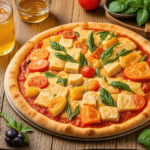
- Assembly: Spread the sauce over the prepared dough. Top with slices of organic mozzarella cheese and organic vegetables such as bell peppers, spinach, and mushrooms.
- Baking: Bake in a preheated oven at 220°C (430°F) for 15-20 minutes or until crust is golden and cheese is bubbling.
Health Benefits of Organic Pizza: A Comparative Perspective
Table Comparing Conventional and Organic Pizza
| Parameter | Conventional Pizza | Organic Pizza |
|---|---|---|
| Nutritional Content | Standard levels of nutrients, possible chemical residues | Higher levels of antioxidants, vitamins, fewer pesticides |
| Chemical Residues | Potential presence of synthetic pesticides and additives | Minimal or no residues |
| Environmental Impact | Higher due to chemical runoff and soil degradation | Lower, promotes biodiversity and soil health |
| Sensory Quality | May vary, affected by chemical treatments | Richer, more authentic flavor |
| Price | Generally lower | Typically higher, reflecting premium quality |
Potential Challenges and Solutions in Using Organic Ingredients
Cost Considerations
Organic ingredients often come at a higher price point due to more labor-intensive farming practices and certification costs. To mitigate this, consider sourcing from local organic farms or cooperatives which can offer fresh produce at more reasonable prices.
Availability and Supply Chain
Depending on location, organic ingredients may not always be readily available. Planning ahead and establishing relationships with trusted suppliers can help maintain consistent quality and supply.
Balancing Taste and Nutritional Value
While organic ingredients are generally more flavorful, some users may notice minor differences. Experimenting with recipes and seasoning can help achieve optimal taste without compromising health benefits.
Embracing Organic for Healthier Pizzas
The shift toward organic ingredients in pizza preparation aligns with broader health and environmental goals. By choosing organic components, consumers not only enjoy a tastier and more nutritious meal but also contribute positively to ecological sustainability. Whether for personal health, supporting local agriculture, or reducing environmental impact, incorporating organic ingredients into pizza recipes fosters a more conscious and rewarding culinary experience.
Additional Tips for Making Organic Pizza at Home
- Prioritize freshness: Always select the freshest organic ingredients available.
- Experiment with toppings: Incorporate a variety of organic vegetables, lean proteins, and herbs.
- Opt for whole grain dough: Enhances fiber content and nutrient density.
- Limit processed ingredients: Avoid pre-packaged organic toppings that contain additives.
- Use organic oils sparingly: To keep the calorie content balanced and healthful.
Final Thoughts
Switching to organic ingredients is a meaningful step toward a healthier diet and a more sustainable planet. When it comes to pizza, this choice allows culinary creativity to flourish while maximizing nutritional value. Embracing organic in pizza recipes supports personal well-being, environmental health, and the revitalization of local agricultural communities, making every slice not just delicious but also ethically and health-wise beneficial.
Похожие записи:
 The Potential Cardiovascular Benefits of Certain Pizza Ingredients
  Unlocking Nutrition: How to Incorporate Superfoods into Pizza Toppings for a Healthier Twist
  The Benefits of Using Plant-Based Proteins in Vegetarian Pizza Recipes The Potential Anti-Inflammatory Effects of Certain Pizza Toppings: A Delicious Approach to Healthier Eating The Role of Olive Oil in Enhancing Pizza’s Health Benefits
  Vegan Cheese Options and Their Nutritional Advantages on Pizza: A Comprehensive Guide
  How to Create High-Protein Pizza Options for Muscle Repair and Growth
  How to Make Pizza a Guilt-Free Indulgence with Nutritious Ingredients
  The Rise of Healthy and Alternative Pizza Options: A Delicious Revolution
  The Benefits of Probiotics in Cheese Used for Pizza
  The Benefits of Fiber-Rich Crusts for Sustained Energy Release The Benefits of Adding Fresh Herbs for Taste and Health Enhancing Pizza with Herbs and Spices: Unlocking Health Benefits and Flavor The Impact of Economic Factors on Pizza Prices and Ingredients
  The Role of Local Ingredients in Regional Pizza Recipes: A Culinary Journey Across Cultures
  The Rise of Gluten-Free and Vegan Pizza Options: A Delicious Revolution