
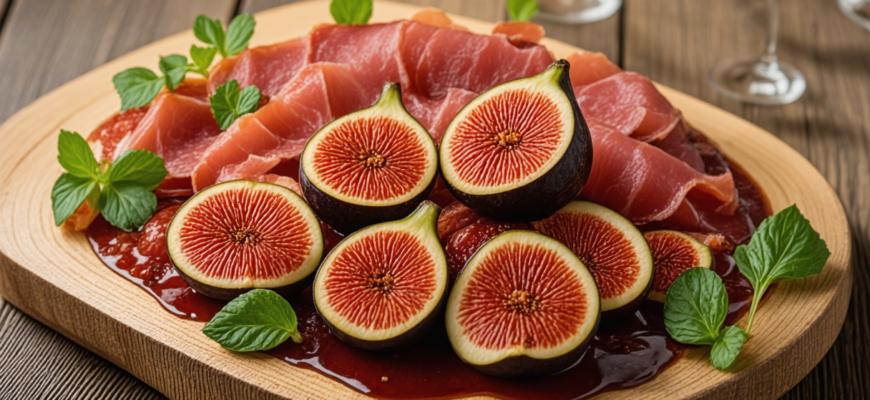
In the world of culinary artistry, certain ingredients stand out for their ability to transform simple dishes into extraordinary gastronomic experiences. Among them, sweet figs, savory prosciutto, and rich balsamic glaze form a harmonious trio that embodies sophistication and flavor balance. This combination has gained popularity not only on antipasto platters but also as an elegant topping for various dishes, including the versatile pizza. Understanding the origins, flavors, and culinary applications of these ingredients can elevate any cooking repertoire, making it possible to create gourmet dishes that delight the senses.
- The Origins and History of Key Ingredients
- Fig: From Ancient Cultivation to Modern Delights
- Prosciutto: Italy’s Cured Meat Tradition
- Balsamic Glaze: From Modena’s Vinegar to Gourmet Condiment
- Flavor Profile and Culinary Synergy
- Creative Culinary Applications
- Gourmet Pizza with Figs, Prosciutto, and Balsamic Glaze
- Ingredients Needed:
- Preparation Steps:
- Other Culinary Ideas:
- Benefits of Using These Ingredients
- Nutritional Information and Pairing Tips
- Sample Nutritional Breakdown (per serving):
- Recommended Pairings:
- Tips for Perfect Results
- The Art of Pairing and Presentation
- References
The Origins and History of Key Ingredients
Fig: From Ancient Cultivation to Modern Delights
Figs have a history dating back thousands of years, with archaeological evidence suggesting their cultivation as early as 4,000-5,000 years BCE in the Middle East. Native to Western Asia and the Middle East, figs became a staple in ancient civilizations such as Egypt, Greece, and Rome. Known for their sweet, honey-like flavor and chewy texture, figs symbolize abundance and fertility in many cultures. Today, fresh and dried figs are widely appreciated worldwide, used in desserts, salads, and gourmet dishes.
Prosciutto: Italy’s Cured Meat Tradition
Prosciutto, particularly prosciutto di Parma, is renowned for its delicate flavor and melt-in-the-mouth texture. The tradition of curing ham in Italy dates back to antiquity, with the process perfected over centuries to produce a product with a perfect balance of saltiness and tenderness. Thinly sliced prosciutto is a versatile ingredient, often served raw to preserve its delicate flavor profile, and is a hallmark of Italian antipasti. Its subtle savory notes complement sweeter ingredients and enhance dishes with a refined touch.
Balsamic Glaze: From Modena’s Vinegar to Gourmet Condiment
Balsamic vinegar originated in the Modena region of Italy, where users have been crafting authentic, aged vinegars for centuries. The traditional method involves slow aging of grape must, resulting in a concentrated, complex flavor profile. Balsamic glaze is a modern, thicker version of this vinegar, achieved by reducing balsamic vinegar with added honey or caramel to attain a syrupy consistency. Its sweet yet tangy flavor makes it a perfect finishing touch, adding depth and brightness to a wide array of dishes.
Flavor Profile and Culinary Synergy
The remarkable appeal of this trio lies in how their individual flavors complement each other:
- Figs: Sweet, honeyed, with a hint of earthiness.
- Prosciutto: Salty, savory, with a delicate pork flavor.
- Balsamic Glaze: Tangy, sweet, with a complex acidity.
When combined, these ingredients create a multidimensional taste experience. The sweetness of figs balances the saltiness of prosciutto, while the balsamic glaze adds an acidic note that brightens the entire dish. This harmony is especially appealing on light, crispy bases such as dough or bread, making it ideal for gourmet pizzas, crostinis, salads, and appetizer plates.
Creative Culinary Applications
Gourmet Pizza with Figs, Prosciutto, and Balsamic Glaze
One of the most popular applications of this ingredient trio is a sophisticated pizza that combines sweet and savory flavors. The preparation involves selecting high-quality ingredients and balancing flavors carefully to create a memorable dish.
Ingredients Needed:
- Pizza dough (homemade or store-bought)
- Fresh figs (cut into thin slices)
- Prosciutto di Parma (thin slices)
- Fresh mozzarella or ricotta cheese
- Olive oil
- Fresh arugula (optional)
- Balsamic glaze (for drizzling)
- Salt and freshly ground black pepper
Preparation Steps:
- Preheat the oven to 220°C (430°F). If using a pizza stone, place it in the oven during preheating.
- Roll out the pizza dough onto a floured surface, then transfer to a baking sheet or pizza peel.
- Brush the dough lightly with olive oil. Spread a layer of cheese evenly across the surface.
- Arrange fig slices uniformly over the cheese, then bake in the preheated oven for approximately 10-15 minutes until the crust is golden and crisp.
- Once baked, remove from the oven. Drape the prosciutto slices over the hot pizza to allow them to slightly warm and soften.
- Garnish with fresh arugula if desired, then drizzle generously with balsamic glaze.
- Finish with a sprinkle of salt and black pepper to taste, and serve immediately.
Other Culinary Ideas:
- Antipasto Platter: Combine fig halves, prosciutto slices, and drizzled balsamic glaze with cheese, nuts, and fresh bread.
- Salad Topper: Toss arugula or mixed greens with figs, prosciutto, and a balsamic vinaigrette for a gourmet salad.
- Stuffed Figs: Fill halved figs with goat cheese or mascarpone, wrap with prosciutto, and finish with balsamic glaze for an elegant appetizer.
Benefits of Using These Ingredients
In addition to their flavor appeal, figs, prosciutto, and balsamic glaze offer nutritional and health benefits:
- Figs: Rich in dietary fiber, antioxidants, vitamins (like B6 and K), and minerals such as potassium and magnesium. They aid digestion and support heart health.
- Prosciutto: A source of high-quality protein, B vitamins, and minerals. When consumed in moderation, it provides essential nutrients while adding flavor.
- Balsamic Glaze: Contains antioxidants and may aid digestion due to its acidity. Its concentrated flavor reduces the need for excess salt or sugar in dishes.
Nutritional Information and Pairing Tips
Understanding the nutritional profile and optimal pairings enhances the culinary experience and ensures healthy consumption.
Sample Nutritional Breakdown (per serving):
| Ingredient | Calories | Protein | Fats | Carbohydrates |
|---|---|---|---|---|
| Fig (100g) | 74 kcal | 0.8g | 0.2g | 19.2g |
| Prosciutto (100g) | 260 kcal | 26g | 18g | 1.5g |
| Balsamic Glaze (1 tbsp) | 50 kcal | 0g | 0g | 13g |
Recommended Pairings:
- Cheeses: Mozzarella, burrata, goat cheese, or blue cheese.
- Drinks: Light red wines such as Pinot Noir, or dry white wines like Sauvignon Blanc.
- Herbs: Fresh basil, thyme, or rosemary.
Tips for Perfect Results
Achieving the ideal balance and presentation requires attention to detail. Here are some practical tips:
- Ingredient quality: Use fresh figs and high-quality prosciutto for optimal flavor.
- Temperature control: Bake pizza at high heat (220°C/430°F) to get a crispy crust.
- Visual appeal: Arrange ingredients uniformly and garnish with fresh herbs or microgreens.
- Serving: Drizzle balsamic glaze just before serving to preserve its glossy appearance and flavor.
The Art of Pairing and Presentation
Visual aesthetics play a significant role in gourmet dishes. Combining textures and colors enhances appeal. For instance, the contrast between tender prosciutto, vibrant fig slices, and the shiny balsamic glaze creates an inviting presentation. Serving on rustic wooden boards or elegant plates can elevate the dish further, making it suitable for both casual gatherings and refined dinners.
The combination of sweet figs, savory prosciutto, and balsamic glaze exemplifies the craft of balancing flavors in gourmet cuisine. Whether incorporated into a sophisticated pizza, served as an appetizer, or used as part of a salad, these ingredients bring a touch of elegance and delight to any meal. Their rich history, unique flavor profiles, and culinary versatility make them essential components for those seeking to elevate their cooking and create memorable dishes with a refined taste. Experimenting with these ingredients allows for endless creative possibilities, unlocking new dimensions of taste and presentation in the kitchen.
References
- Historical origins of figs and their culinary uses
- Traditional methods of prosciutto curing and production
- Production and aging of balsamic vinegar in Italy
Похожие записи:
 Pear, Prosciutto, and Gorgonzola: A Gourmet Flavor Profile for Sophisticated Pizzas
  Sweet Potato Slices, Arugula, and Blue Cheese for a Sophisticated Bite: Elevating Pizza Toppings to Gourmet Levels
  Four Cheese Blend with a Drizzle of Honey for a Perfect Sweet-Savory Pizza Experience
  Lemon Zest, Mozzarella, and Fresh Herbs for a Refreshingly Citrus Twist in Gourmet Pizzas
  The Emergence of Gourmet and Artisanal Pizza Chefs: Redefining a Classic Cuisine
  Discovering Czech Pizza: Delicious Variations and Traditional Toppings
  California-Inspired Pizzas: Fresh Avocado, Sprouts, and Lemon Zest for Every Taste
  Classic Pepperoni Pizza with Fresh Sliced Peppers and Oregano: A Delicious Classic with a Fresh Twist
  Korean BBQ-Inspired Toppings with Marinated Beef and Kimchi: A Fusion of Flavors
  French Pissaladière with Caramelized Onions and Anchovies: A Classic Cuisine Delight
  Mediterranean Medley: Olives, Sun-Dried Tomatoes, and Feta Cheese – A Flavorful Journey into Mediterranean Pizza Toppings
  Mastering Vegan and Vegetarian Pizza: Delicious Recipes and Culinary Inspiration
  Vegetarian Delight with Grilled Zucchini, Bell Peppers, and Hummus: A Tasty Vegetarian Experience
  The Evolution of Pizza Sauce Recipes Over Time: A Delicious Journey Through History
  Discovering Azerbaijani Khachapuri Variations: A Regional Culinary Journey
  Roman Pizza al Taglio and Its Rectangular Slices: A Deep Dive into Tradition, Technique, and Tastes