
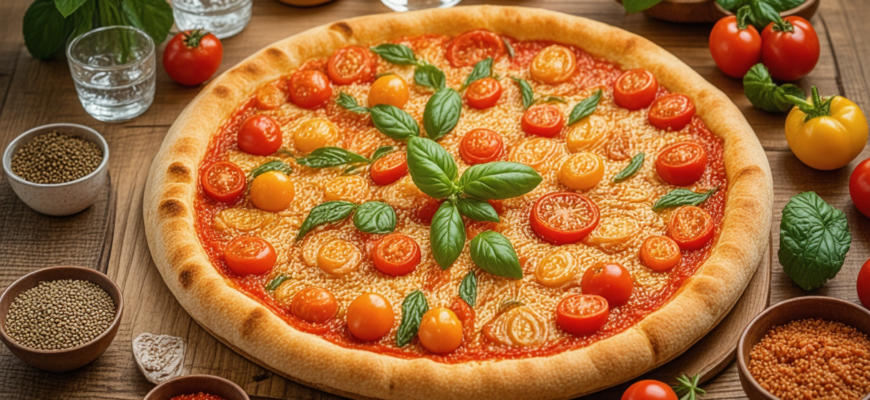
Pizza, one of the most beloved dishes worldwide, has evolved from its humble origins in Naples to a global culinary phenomenon. While its delicious taste—combining crispy crust, savory toppings, and flavorful sauces—captures the imagination of many, the nutritional composition often remains overlooked. A crucial aspect of creating a truly nutritious pizza lies in understanding and balancing micronutrients—vitamins and minerals essential for human health. This comprehensive guide delves into why balanced micronutrient content is vital in pizza creation, how to incorporate a variety of nutrients, and the impact of well-designed recipes on overall well-being.
- Understanding Micronutrients: The Building Blocks of Nutrition
- What Are Micronutrients?
- The Role of Micronutrients in Human Health
- The Impact of Micronutrient Balance in Culinary Arts
- Why Are Micronutrients Important in Pizza?
- Consequences of Nutrient Imbalance
- Key Ingredients Contributing to Micronutrient Content in Pizza
- Base Ingredients and Their Nutritional Value
- Vegetables and Proteins as Nutritional Enrichers
- Strategies for Achieving Micronutrient Balance in Pizza
- Incorporating Diverse Ingredients
- Utilizing Fortified and Supplemented Ingredients
- Preparing Ingredients to Maximize Nutrient Retention
- Sample Nutritious Pizza Recipe with Balanced Micronutrients
- Ingredients:
- Preparation Steps:
- Nutrition Highlights:
- The Role of Eating Habits and Portion Sizes in Nutritional Balance
- Innovations and Trends in Nutritious Pizza Making
- Plant-Based and Vegan Options
- Functional Ingredients
Understanding Micronutrients: The Building Blocks of Nutrition
What Are Micronutrients?
Micronutrients are vitamins and minerals required by the body in small quantities but are essential for maintaining optimal health. Unlike macronutrients (carbohydrates, proteins, fats), which provide energy, micronutrients support various physiological processes such as immune function, nerve signaling, bone health, and cellular metabolism.
Major vitamins include A, B complex, C, D, E, and K, while vital minerals encompass iron, calcium, magnesium, zinc, selenium, and iodine.
The Role of Micronutrients in Human Health
- Immune support: Vitamins C, D, zinc, and selenium strengthen immune response.
- Bone health: Calcium, magnesium, and vitamin D are essential for maintaining strong bones.
- Energy production: B vitamins aid in converting food into energy.
- Antioxidant protection: Vitamins E and C protect cells from oxidative damage.
- Blood health: Iron and folate are crucial for healthy blood cell formation.
The Impact of Micronutrient Balance in Culinary Arts
Why Are Micronutrients Important in Pizza?
Although pizza is often associated with indulgence, it can be transformed into a nutritious dish when the right ingredients are selected to provide a balanced array of micronutrients. Properly combining ingredients ensures that the dish contributes positively to daily nutrient intake.
Imbalanced pizzas—rich solely in fats and carbohydrates without adequate vitamins and minerals—may not support overall health. Conversely, a thoughtfully crafted pizza can serve as a nutrient-dense meal suitable for various dietary needs.
Consequences of Nutrient Imbalance
Diet lacking in essential micronutrients can lead to deficiencies, causing health problems such as weakened immunity, anemia, osteoporosis, and impaired cognitive functions. Overlooking micronutrient content in pizza elaboration can exacerbate these issues, especially if the dish becomes a staple in one’s diet.
Key Ingredients Contributing to Micronutrient Content in Pizza
Base Ingredients and Their Nutritional Value
| Ingredient | Micronutrients Present | Health Benefits |
|---|---|---|
| Whole wheat dough | Iron, B vitamins, magnesium, fiber | Supports digestion, energy metabolism, and anemia prevention |
| Tomato sauce | Vitamin C, vitamin A, potassium, lycopene (antioxidant) | Enhances immune function, improves vision, supports cardiovascular health |
| Cheese (e.g., mozzarella) | Calcium, vitamin B12, phosphorus, zinc | Promotes strong bones and healthy nerve function |
Vegetables and Proteins as Nutritional Enrichers
- Vegetables: Bell peppers, spinach, mushrooms, onions, and olives are rich in vitamins (A, C, K), minerals, and antioxidants.
- Proteins: Lean meats, seafood, eggs, or plant-based options like legumes contribute iron, zinc, and B vitamins.
Strategies for Achieving Micronutrient Balance in Pizza
Incorporating Diverse Ingredients
The key to nutritional balance is diversity. Using a variety of colorful vegetables, lean proteins, and whole grains ensures an array of micronutrients. For example, a pizza topped with spinach, bell peppers, cherry tomatoes, and grilled chicken provides vitamins A, C, K, iron, zinc, and protein—all in one meal.
Utilizing Fortified and Supplemented Ingredients
Some ingredients can be enriched or fortified with additional nutrients. Using fortified cheese or bread with added vitamin D and calcium boosts the overall micronutrient content of the dish.
Preparing Ingredients to Maximize Nutrient Retention
- Cooking vegetables lightly to preserve vitamin C and antioxidants.
- Choosing high-quality, fresh ingredients for maximum nutrient density.
- Balancing raw and cooked components to maintain nutrient integrity.
Sample Nutritious Pizza Recipe with Balanced Micronutrients
Ingredients:
- Whole wheat pizza dough
- Tomato sauce with added oregano and basil
- Fresh spinach leaves
- Chopped red peppers
- Sliced cherry tomatoes
- Grilled chicken breast
- Light mozzarella cheese
- Olives (optional)
Preparation Steps:
- Preheat the oven to 220°C (428°F).
- Spread the tomato sauce evenly over the rolled-out dough.
- Sprinkle with light mozzarella cheese.
- Distribute spinach, red peppers, cherry tomatoes, and grilled chicken evenly on top.
- Add olives as a finishing touch if desired.
- Bake for 12–15 minutes until the crust is golden and cheese is melted.
Nutrition Highlights:
- Vitamins: A, C, K, folate from vegetables
- Minerals: Calcium, magnesium, iron, potassium
- Proteins: From chicken and cheese
- Fiber: Whole wheat dough and vegetables
The Role of Eating Habits and Portion Sizes in Nutritional Balance
Even the most balanced pizza will not be beneficial if consumed excessively. Portion control ensures intake of micronutrients aligns with individual dietary needs without excess calories. Combining pizza with other nutrient-rich foods throughout the day enhances overall health benefits.
Eating habits, such as incorporating vegetables regularly and moderating high-fat ingredients, further improve the nutritional profile of pizza-based meals.
Innovations and Trends in Nutritious Pizza Making
Plant-Based and Vegan Options
Modern culinary trends favor plant-based ingredients, ensuring adequate intake of fiber, vitamins, and minerals. Using plant-based cheeses and toppings offers nutritional benefits, especially for those with lactose intolerance or vegan lifestyles.
Functional Ingredients
Adding superfoods like chia seeds, flaxseed, or spirulina can enhance the micronutrient profile, providing omega-3 fatty acids, antioxidants, and other beneficial compounds.
Creating pizzas that are not only delicious but also nutritionally complete requires a thoughtful approach to ingredient selection and preparation. Emphasizing a balanced combination of micronutrients—vitamins, minerals, antioxidants—ensures these universally loved dishes contribute positively to overall health. As culinary science advances and dietary awareness grows, pizza can transcend its traditional image as comfort food and become a versatile, nourishing meal suitable for every taste and dietary requirement. Achieving micronutrient harmony in pizza creation is both an art and a science—transforming this beloved dish into a wholesome, health-promoting culinary masterpiece.
Похожие записи:
 Creating Balanced Pizza Recipes That Support Weight Management
  The Importance of Portion Control for Healthy Pizza Consumption
  The Impact of Cheese Types on Pizza’s Nutritional Profile
  The Impact of Cheese Fermentation on Bioavailability of Nutrients
  Innovative Strategies to Enhance Pizza’s Nutritional Value Without Increasing Calories
  The Significance of Calcium and Vitamin D in Cheese-Heavy Pizzas
  Unlocking the Secrets of Traditional Pizza: Nutritional Components and Their Impact on Health
  The Benefits of Adding Nuts and Seeds to Pizza Toppings
  Vegan Cheese Options and Their Nutritional Advantages on Pizza: A Comprehensive Guide
  Innovative Approaches to Pizza Crusts: Enhancing Nutrition with Alternative Flours
  How to Boost Fiber Intake with Seed-Based Toppings on Pizza
  How to Make Pizza a Guilt-Free Indulgence with Nutritious Ingredients
  The Impact of Onion and Garlic Toppings on Immune Function
  Balancing Macronutrients in Homemade Pizza Recipes: A Complete Guide
  Unlocking Nutrition: How to Incorporate Superfoods into Pizza Toppings for a Healthier Twist
  Enhancing Pizza with High-Antioxidant Toppings for Better Health