
Pizza has long been a beloved culinary icon around the world, famed for its versatility, rich flavors, and cultural significance. Among the multitude of pizza varieties, the Classic Margherita stands out as a symbol of simplicity and authentic Italian tradition. Yet, even the most revered recipes can be reimagined to suit modern tastes and elevate the dining experience. This article delves deep into the origins and history of the Margherita pizza, explores traditional and gourmet ingredients, and offers comprehensive guidance on crafting a refined version that features fresh basil and heirloom tomatoes. Whether a professional chef, a home cook, or an enthusiastic foodie, readers will find valuable insights into creating a pizza that marries tradition with a sophisticated elevance.
- History and Cultural Significance of Pizza Margherita
- The Origins of Pizza Margherita
- Why Margherita Remains a Classic
- Fundamental Components of a Traditional Pizza Margherita
- Elevating the Classic: Gourmet Twist with Fresh Basil and Heirloom Tomatoes
- The Transition from Basic to Gourmet
- Why Use Heirloom Tomatoes?
- Fresh Basil: The Aromatic Crown
- Step-by-Step Guide to Making a Gourmet Margherita Pizza
- Ingredients List
- Preparation Process
- Flavor Profiles and Pairing Suggestions
- Nutrition and Health Benefits of Gourmet Margherita
- Variations and Creative Twists on the Classic Margherita
- Embracing Tradition with a Gourmet Edge
- References and Further Reading
History and Cultural Significance of Pizza Margherita
The Origins of Pizza Margherita
The Pizza Margherita’s roots trace back to Naples in the late 19th century. It is widely believed to have been created in 1889, during a visit of Queen Margherita of Savoy to the city. The story goes that a talented chef, Raffaele Esposito, composed a pizza featuring ingredients that represented the colors of the Italian flag: red (tomato), white (mozzarella), and green (basil). This culinary homage was crafted specifically to honor the queen’s visit, and it embodied both simplicity and patriotism.
Why Margherita Remains a Classic
The enduring appeal of Pizza Margherita lies in its minimalist ingredient list, emphasizing high-quality, fresh components. Its flavor profile balances the acidity of ripe tomatoes, the creamy richness of mozzarella, and the aromatic freshness of basil. This balance offers a harmonious taste experience that epitomizes Italian culinary philosophy: letting the quality of ingredients shine through with minimal embellishment.
Fundamental Components of a Traditional Pizza Margherita
- Pizza dough: Thin, chewy, with a slight crisp exterior.
- Tomato sauce: Usually made from ripe, flavorful tomatoes such as San Marzano or similar heirlooms.
- Fresh mozzarella: Traditionally mozzarella di bufala or Fior di Latte.
- Fresh basil leaves: Added post-baking to preserve aroma and freshness.
- Olive oil: Drizzled on top for richness and flavor enhancement.
- Optional finishing: Sea salt or cracked black pepper for seasoning.
Elevating the Classic: Gourmet Twist with Fresh Basil and Heirloom Tomatoes
The Transition from Basic to Gourmet
While traditional Margherita is celebrated for its straightforward approach, modern culinary trends emphasize organic produce, unique flavor combinations, and visual aesthetics. Incorporating heirloom tomatoes and freshly picked basil elevates the dish from simple comfort food to a refined gastronomic experience. These ingredients introduce complex flavors, vibrant colors, and are a nod to sustainable and artisanal food practices.
Why Use Heirloom Tomatoes?
Heirloom tomatoes are non-hybrid, heirloom varieties cultivated over generations for their unique flavors, textures, and colors. They are often more aromatic and sweeter than standard supermarket tomatoes, providing a richer, more nuanced taste profile. When used on pizza, heirloom tomatoes offer an aesthetic appeal and elevate the flavor, capturing the essence of summer and farm-fresh ingredients.
Fresh Basil: The Aromatic Crown
Fresh basil isn’t just a garnish; it’s a vital component that complements the acidity of the tomatoes. Its sweet, peppery aroma intensifies when added after baking, providing a fresh contrast against the melted cheese and tomato base. The modern approach involves using high-quality basil varieties like Genovese, which have a robust flavor ideal for gourmet applications.
Step-by-Step Guide to Making a Gourmet Margherita Pizza
Ingredients List
| Component | Quality Tips / Variations |
|---|---|
| Pizza dough | Use high-protein flour; consider sourdough for added flavor; ferment for at least 24 hours for better texture. |
| Tomato sauce | Blend ripe heirloom tomatoes with a pinch of sea salt, extra virgin olive oil, and fresh garlic for a no-cook sauce. |
| Heirloom tomatoes | Use a variety of colors and shapes for visual appeal; slice thinly. |
| Fresh mozzarella | Opt for bufala or Fior di Latte; drain excess moisture before placing on pizza. |
| Fresh basil | Add after baking to preserve aroma and vibrant color. |
| Olive oil | Use high-quality extra virgin olive oil for drizzling before and after baking. |
Preparation Process
- Prepare the dough: Mix flour, water, yeast, salt, and a touch of olive oil. Knead until smooth and elastic. Proof for at least 2 hours or overnight in the refrigerator for enhanced flavor.
- Make the sauce: No-cook method—blend heirloom tomatoes with salt, a drizzle of olive oil, and optional garlic.
- Preheat the oven: To the highest temperature possible, preferably 250–300°C, with a pizza stone inside for optimal heat transfer.
- Shape the dough: Stretch or roll out on a floured surface into a thin circle. Transfer to a pizza peel or baking sheet.
- Assemble the pizza: Spread the tomato sauce evenly, leave a border for the crust. Distribute sliced heirloom tomatoes evenly, then place torn pieces of mozzarella on top.
- Baking: Bake on a preheated pizza stone or baking sheet for 7–12 minutes, until crust is golden and cheese bubbly.
- Garnishing: Remove from oven; add fresh basil leaves and a drizzle of extra virgin olive oil. Optionally, sprinkle with sea salt or cracked pepper.
Flavor Profiles and Pairing Suggestions
| Flavor Profile | Gourmet Elements | Pairing Recommendations |
|---|---|---|
| Sweet & Savory | Heirloom tomatoes bring sweetness; basil adds aromatic freshness | Light white wines like Sauvignon Blanc or Vermentino |
| Rich & Umami | Fresh mozzarella provides creaminess; olive oil enhances richness | Dry Prosecco or sparkling wine |
| Fresh & Herbal | Fresh basil as a dominant flavor | Herbal teas like basil or thyme infusion |
Nutrition and Health Benefits of Gourmet Margherita
Enhancing traditional pizza with fresh, organic ingredients like heirloom tomatoes and basil not only improves flavor but also offers health benefits. Tomatoes are rich in lycopene, an antioxidant known for its role in reducing the risk of certain chronic diseases. Basil contains essential oils that boast anti-inflammatory properties. Mozzarella offers protein and calcium, supporting bone health. When made with quality ingredients and minimal processed components, this dish aligns with a health-conscious, balanced diet.
Variations and Creative Twists on the Classic Margherita
- Vegan Margherita: Replace mozzarella with vegan cheese or cashew-based cheese.
- Spicy Gourmet: Add a touch of red pepper flakes or fresh chili slices for heat.
- Extra Herbal: Incorporate other fresh herbs like oregano or thyme for additional aroma.
- Textural Enhancements: Finish with a sprinkle of toasted pine nuts or a balsamic glaze drizzle for complexity.
Embracing Tradition with a Gourmet Edge
The Classic Margherita pizza, when embraced with quality ingredients, embodies Italy’s culinary philosophy of simplicity and excellence. Elevating it with fresh basil and heirloom tomatoes not only enhances its flavor but also connects it to seasonal, sustainable practices. Whether served in rustic pizzerias or gourmet restaurants, this refined version offers a sophisticated take on a beloved traditional dish, appealing to both purists and adventurous palates alike. Perfecting this pizza involves attention to ingredient quality, precise preparation, and a sense of culinary artistry, making every bite a celebration of Italian heritage and contemporary sophistication.
References and Further Reading
- History of Pizza: Wikipedia – Pizza Margherita
- Heirloom Tomato Varieties: Heirloom Organics
- Gourmet Pizza Tips and Tricks: Serious Eats
- Healthy Eating with Tomatoes and Basil: Healthline
Похожие записи:
 Caprese-Inspired Pizza with Fresh Mozzarella, Basil, and Balsamic Reduction: A Delicious Twist on Classic Flavors
  Classic Pepperoni Pizza with Fresh Sliced Peppers and Oregano: A Delicious Classic with a Fresh Twist
  Margarita Pizza: Italy’s Timeless Classic
  Lemon Zest, Mozzarella, and Fresh Herbs for a Refreshingly Citrus Twist in Gourmet Pizzas
  Sweet Potato Slices, Arugula, and Blue Cheese for a Sophisticated Bite: Elevating Pizza Toppings to Gourmet Levels
 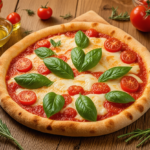 Using Herbs and Basil for a Fresh Topping Finish: Transforming Your Pizza
  Eggplant, Basil, and Mozzarella for a Mediterranean Feel: Classic Flavor Combinations on Pizza
  Thai Basil, Shredded Chicken, and Chopped Peanuts: A Crunchy Twist in Modern Pizza Cuisine Roasted Garlic, Artichoke Hearts, and Parmesan Cheese for a Savory Experience: A Gourmet Twist in Pizza Making
  The Emergence of Gourmet and Artisanal Pizza Chefs: Redefining a Classic Cuisine
 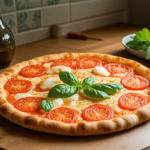 How Margherita Pizza Became a National Symbol of Italy
  Mediterranean Medley: Olives, Sun-Dried Tomatoes, and Feta Cheese – A Flavorful Journey into Mediterranean Pizza Toppings Pesto and Cherry Tomato for a Fresh and Vibrant Presentation: Elevate Your Pizza Masterpieces Argentine Fugazza with Cheese: A Regional Twist on a Classic Dish
  Pear, Prosciutto, and Gorgonzola: A Gourmet Flavor Profile for Sophisticated Pizzas Italian Stromboli with Layered Ingredients: A Delicious Twist on Classic Pizza