
In the vast world of culinary traditions, few dishes embody the vibrant spirit and rich history of the Middle East quite like lahmacun. Often referred to as “Armenian pizza” or “Turkish flatbread,” this delectable dish features a thin, crispy base topped with aromatic minced meat, fresh herbs, and a medley of spices. Its popularity has transcended regional boundaries, captivating palates across the globe. This article delves into the origins, traditional preparation methods, variations, and culinary role of lahmacun made with minced meat and herbs, offering readers a comprehensive understanding of this iconic dish.
- Understanding Lahmacun: Origins and Cultural Significance
- Historical Background
- Cultural Significance
- Traditional Ingredients and Their Roles
- Step-by-Step Preparation of Lahmacun with Minced Meat and Herbs
- 1. Preparing the Dough
- 2. Making the Minced Meat Topping
- 3. Assembling and Baking
- Variations of Lahmacun Around the Middle East
- Turkish Lahmacun
- Armenian Lahmacun
- Lebanese and Syrian Variants
- Innovative Adaptations in Modern Cuisine
- Health Benefits and Nutritional Content
- Serving Suggestions and Complementary Dishes
- Traditional Serving Methods
- Creative Pairings and Modern Takes
- Comparison Table: Lahmacun vs. Similar Flatbreads
- Tips for Perfect Lahmacun at Home
- Celebrating Flavors and Heritage
Understanding Lahmacun: Origins and Cultural Significance
Historical Background
The origins of lahmacun trace back centuries to the culinary tapestry of the Middle East and Eastern Mediterranean. The name itself derives from the Arabic words “lakhma” (мясо, meaning “meat”) and “jun” (bread), collectively translating to “meat with bread.” Historical records suggest that similar flatbread dishes adorned the tables of ancient civilizations, from the Assyrians and Babylonians to the Ottomans. Over time, regional variations emerged, each borrowing elements from local ingredients, climates, and culinary preferences.
Cultural Significance
For many communities in the Middle East, lahmacun is more than a fast food or snack; it is a cultural emblem representing hospitality, shared meals, and culinary artistry. It is common to see lahmacun prepared during festive gatherings, family celebrations, and even daily street food stalls, highlighting its integral role in social bonding and cultural identity.
Traditional Ingredients and Their Roles
| Ingredient | Role | Traditional Variations |
|---|---|---|
| Flour (Wheat) | Base dough for the flatbread | Whole wheat, durum wheat, or a blend for different textures |
| Minced Meat (Lamb or Beef) | Main filling, providing richness and flavor | Sometimes mixed with pork or chicken in specific regions |
| Herbs (Parsley, Cilantro, Mint) | Add freshness and aroma, balancing richness | Fresh or dried, varying according to local recipes |
| Vegetables (Onions, Bell Peppers, Tomatoes) | Enhance flavor complexity and moisture | Optional, depending on regional preferences |
| Spices (Cumin, Paprika, Sumac, Red Pepper Flakes) | Impart depth, heat, and color to the topping | Adjustable to spice tolerance |
| Olive Oil | Used in dough preparation and drizzling for flavor | Extra virgin olive oil preferred |
Step-by-Step Preparation of Lahmacun with Minced Meat and Herbs
1. Preparing the Dough
The foundation of authentic lahmacun is a thin, elastic dough that must be carefully prepared to achieve the right texture. The basic ingredients for the dough include wheat flour, water, a pinch of salt, and olive oil. Some recipes incorporate a small amount of yogurt or vinegar to enhance tenderness. The ingredients are mixed until a smooth, pliable dough forms, then left to rest for at least 30 minutes to develop gluten, ensuring stretchability.
2. Making the Minced Meat Topping
The meat mixture is the dish’s star, combining finely chopped or minced lamb or beef with herbs and spices. To prepare, combine:
- 500g of minced lamb or beef
- 1 small onion, finely chopped
- 3-4 cloves of garlic, minced
- Fresh herbs: parsley, cilantro, mint, chopped finely
- 1 teaspoon cumin powder
- 1 teaspoon paprika
- ½ teaspoon red pepper flakes (adjust to taste)
- 1 teaspoon sumac (optional for tanginess)
- Salt and black pepper to taste
- Olive oil (a tablespoon)
All ingredients are mixed thoroughly to distribute flavors evenly. Some chefs prefer to let the mixture rest for 15-20 minutes, allowing herbs and spices to meld.
3. Assembling and Baking
After the dough has rested, divide it into small balls (about the size of a lemon). Roll each ball into a very thin circle, approximately 25-30 cm in diameter. Place the flattened dough onto a baking sheet or oven stone preheated to 250-300°C (480-570°F).
Spread the meat mixture evenly over the surface, gently pressing it into the dough. Optionally, drizzle a little olive oil on top for extra flavor and crispness. Bake for 7-12 minutes or until the edges are golden and crispy. The thin dough should be crisp and slightly charred in spots, while the topping remains moist and flavorful.
Variations of Lahmacun Around the Middle East
While the core concept remains consistent, regional adaptations offer diverse flavors and ingredients, reflecting local tastes and agricultural products. Below are some notable variations:
Turkish Lahmacun
Perhaps the most well-known, Turkish lahmacun features a thin, crispy base topped with a spicy meat mixture infused with paprika and sumac. Often served with fresh parsley, lemon wedges, and thinly sliced onions.
Armenian Lahmacun
Similar to the Turkish version but sometimes with a slightly thicker crust and a focus on fresh herbs and a milder spice profile. Served rolled with fresh greens and lemon.
Lebanese and Syrian Variants
These versions may incorporate additional ingredients like pine nuts or pomegranate molasses, adding a sweet and nutty flavor contrast. The dough might be a little thicker, and toppings can include diced vegetables for texture.
Innovative Adaptations in Modern Cuisine
With global culinary influences, many chefs experiment by using turkey minced meat, vegetarian toppings, or gluten-free dough bases, reflecting contemporary dietary trends.
Health Benefits and Nutritional Content
Despite being a fast, street-food style dish, lahmacun offers nutritional benefits, especially when prepared with high-quality ingredients:
- Rich in protein from the minced meat
- Loaded with fresh herbs and vegetables, contributing vitamins and minerals
- Contains healthy fats from olive oil
- Low in carbohydrates if served in moderation and with controlled dough thickness
However, moderation is key, particularly because of the potential high salt content in some spice blends and processed meats. Opting for lean meats and fresh herbs enhances its healthful profile.
Serving Suggestions and Complementary Dishes
Traditional Serving Methods
Lahmacun is traditionally served hot, often accompanied by:
- Fresh lemon wedges for squeezing over
- Chopped fresh parsley, onions, and slices of tomato
- Pickles and fresh salads on the side
- Yogurt or ayran (a cold yogurt-based drink) to balance spice and richness
Creative Pairings and Modern Takes
In contemporary settings, lahmacun can be paired with various international dishes such as
- Mint yogurt dips
- Tabbouleh salads
- Hummus or baba ganoush
- Constraints can be made into wraps with fresh vegetables and sauces for on-the-go consumption
Comparison Table: Lahmacun vs. Similar Flatbreads
| Dish | Primary Ingredients | Distinctive Features | Region of Popularity |
|---|---|---|---|
| Lahmacun | Thin dough + Minced meat + Herbs + Spices | Crispy, topped with flavorful meat mixture, often eaten rolled or folded | Middle East, Turkey |
| Pide | Thicker dough + Toppings like cheese, meats, vegetables | Boat-shaped or flat, more substantial | Turkey, Middle East |
| Manakish | Flatbread topped with za’atar, cheese, or meats | Often baked with toppings directly on bread | Levantine countries |
| Pizza | Yeast dough + tomato sauce + cheese + toppings | Global variety, with diverse toppings and styles | Worldwide |
Tips for Perfect Lahmacun at Home
- Use high-quality ingredients: Fresh herbs and good meat make a notable difference.
- Stretch dough thinly: Achieving a very thin base ensures crispiness.
- Preheat oven or stone: High heat is crucial for authentic texture.
- Experiment with spices: Adjust herbs and spices to suit personal taste preferences.
- Serve immediately: For maximum crispness and flavor, enjoy fresh out of the oven.
Celebrating Flavors and Heritage
Lahmacun with minced meat and herbs remains a beloved dish that encapsulates the rich culinary heritage of the Middle East. Its harmonious combination of crispy, tender, and aromatic elements created through centuries of tradition continues to delight modern audiences worldwide. Whether enjoyed as street food, a festive meal, or a casual snack, lahmacun exemplifies how simple ingredients, skillful preparation, and cultural significance come together in perfect harmony. Exploring this dish not only offers a taste of authentic Middle Eastern cuisine but also an appreciation of its historical and cultural depth.
From traditional recipes to creative modern adaptations, lahmacun with minced meat and herbs stands as a testament to the universal language of good food—a language that brings people together across borders and generations.
Похожие записи:
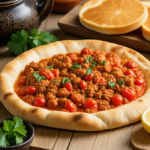 Armenian Lahmajoon with Spicy Meat Topping: A Delicious Taste of Tradition
  Finnish Karjalanpiirakka with Its Regional Twist: A Delicious Journey Through History and Variations
  The Evolution of Pizza Sauce Recipes Over Time: A Delicious Journey Through History
  Japanese Okonomiyaki with Pizza-Like Toppings: A Fusion of Flavors and Culinary History
  Sicilian Pizza: A Delicious Dive into Thick, Square Slices and Its Rich History
  South African Queen Pizza with Local Flavors: A Tasty Fusion of Tradition and Innovation
  Brazilian Pizza with Unique Tropical Ingredients: A Delicious Fusion of Flavors
  Calzone: The Folded Pizza from Italy – A Delicious Journey into Italian Cuisine
  Maltese Ftira with Local Flavors: A Delicious Twist on Traditional Pizza
  Discover the Bold Flavors of Serbian Pizza with Spicy Sausage and Peppers
  Lebanese Manakish with Za’atar and Cheese: A Delicious Twist on Traditional Pizzas
  Unlocking Flavor: The Art of Incorporating Herbs and Spices into Pizza for a Burst of Taste
  Caprese-Inspired Pizza with Fresh Mozzarella, Basil, and Balsamic Reduction: A Delicious Twist on Classic Flavors
  Discovering Azerbaijani Khachapuri Variations: A Regional Culinary Journey
  The Cultural Adaptation of Pizza in Different Countries: A Global Culinary Journey
  Chicago Deep-Dish Pizza and Its Hearty Layers: A Delicious Journey into Its Unique Structure